

Cedar Valley News – January 13, 2026
What the Fires Taught Us About Neighbors
By: George Khan
From the fictional town of Cedar Valley, where characters from Quiet Echo continue to respond to real-world events.
Last week marked one year since wildfires swept through Los Angeles, killing thirty-one people and destroying more than 16,000 homes. I didn’t lose a house in those fires. I live in Cedar Valley, a long way from Altadena and Pacific Palisades. But what happened there keeps coming back to me.
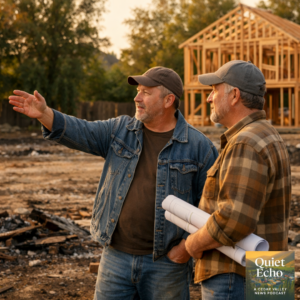 When the winds hit on January 7, 2025, neighbors scrambled to help each other before firefighters could arrive. They knocked on doors. They helped elderly residents evacuate. They grabbed garden hoses and put out spot fires burning on lawns while embers rained from the sky. In those first chaotic hours, it wasn’t government that saved people. It was the person next door.
Michael Tuccillo, a fire survivor in Altadena, told NPR his home was one of the few left standing on his street. His neighborhood is quiet now—”extra dark” at night, he said. But instead of feeling relieved and moving on, he feels responsible. “I feel like I have to double my efforts to help my community get back home,” he said.
That stopped me cold.
Here’s a man who could have counted his blessings and focused on his own family. Instead, he’s organizing. He’s connecting neighbors. He and others are buying rebuilding services in bulk to bring costs down for everyone—hiring contractors together, pooling resources, sharing the burden. Pauline Ching, an Altadena homeowner, persuaded nearly half the residents in her gated community to hire the same builder. They secured bulk discounts and faster permits. They’re rebuilding together.
I keep thinking about that phrase: rebuilding together.
We’ve gotten very good at being alone in America. We order groceries from our phones. We work from home. We wave at the neighbor but rarely sit on the porch with them. The loneliness statistics are brutal—two in ten adults say they have no close friends outside their immediate family. We’re more connected than ever and more isolated than at any time in history.
Then a disaster comes, and suddenly we remember what neighbors are for.
A year after those fires, academics are writing papers about “neighborliness”—the idea that caring for the people around you, making choices on your own property to help keep others safe, is as important as building codes and insurance policies. One researcher called it “recognizing the connectedness of life and addressing the common good.”
But we didn’t need researchers to tell us this. Our grandparents knew it. They called it being a good neighbor.
When I was growing up, my father ran a small shop. The man who owned the hardware store two doors down wasn’t just a fellow merchant—he was the one who watched our register if we needed to step out, the one who loaned us a ladder, the one who showed up at my mother’s funeral. We didn’t have a word for it. We just did it.
Somewhere along the way, we decided that independence was the highest virtue. We confused self-reliance with isolation. We built fences and closed garage doors and assumed someone else—the government, the insurance company, the experts—would handle things when trouble came.
The fires reminded us otherwise. When the winds blow and the sky turns orange, the first responder is often the person across the street.
I’m not suggesting we all move to fire country or that tragedy is somehow good for us. What I’m saying is simpler: the capacity for neighborliness is still there. It didn’t burn. It was just waiting to be called on.
One year later, Los Angeles is still recovering. Many families haven’t begun to rebuild. Insurance disputes drag on. The frustration is real. But so are the block parties that bring scattered neighbors back together. So are the shared contractors and bulk purchases and the quiet acts of checking in on each other.
Michael Tuccillo said his street is extra quiet and extra dark these days. Most of his neighbors are gone. But he’s still there, working to bring them back.
That’s what neighbors do. They stay. They help. They rebuild together.
Maybe the question for the rest of us—those of us who didn’t lose homes last January—is simpler: Do we know our neighbors’ names? Would we help them evacuate if the time came? Would they help us?
The fires are a year behind Los Angeles now. But the lesson they taught is timeless. Community isn’t a government program. It’s not a policy initiative. It’s the person next door, and what you choose to do when they need you.
This editorial is part of the fictional Cedar Valley News series. While the people and town are fictional, the national events they reflect on are real.
Want to know the full story behind Cedar Valley? Teresa, Caleb, Dan, and the community you’ve come to know in these editorials first came together in Quiet Echo: When Loud Voices Divide, Quiet Ones Bring Together. Discover how a small town found its way from fear to fellowship—one quiet act of courage at a time. Available on Amazon: https://bit.ly/3ME4nSs
It’s free, live, and fresh! Quiet Echo—A Cedar Valley News Podcast is live on Apple Podcasts: https://bit.ly/4nV8XsE, Spotify: https://bit.ly/4hdNHfX, YouTube: https://bit.ly/48Zfu1g , and Podcastle: https://bit.ly/4pYRstE. Every day, you can hear Cedar Valley’s editorials read aloud by the voices you’ve come to know—warm, steady, and rooted in the values we share. Step into the rhythm of our town, one short reflection at a time. Wherever you listen, you’ll feel right at home. Presented by the Publication Consultants: https://publicationconsultants.com/


 Lee came to the United States from Seoul at age three, with his mother and sister, to join his father, a psychiatrist who had immigrated earlier. He grew up in Westchester County, outside New York City. As a child, he often translated for his Korean-speaking mother. He stood between two languages for her, carrying her words into English and the world’s words back to her.
 Monday morning. A bookstore manager sits down with forty-seven unread messages. She has an hour before the store opens. She is deciding which emails deserve her attention and which ones can wait.
 The novelist Ella Camposanto has arrived in Sicily with her twelve-year-old daughter, Manuela. They are staying near the ruins where the narrator’s grandmother once worked on an archaeological dig. The summer is full of volcanic rumbles and sudden storms. The narrator’s mother is beginning to forget.
 When I was publishing Alaska Outdoors magazine, the head of the journalism department at the University of Alaska sent me a submission. It was so poorly written, I took it for a joke. I answered it as a joke, only to learn the author was serious. He simply had such an inflated self-image; his writing read like a spoof. It was no spoof.
 At 8:15 on the morning of August 6, 1945, Kiyoshi Tanimoto was on the outskirts of Hiroshima, unloading a handcart at a house in the suburb of Koi. He was two miles from the city center. He had slept poorly — the overnight air-raid warnings had kept him up — and he had risen early and set out with the cart.
 Two books publish on the same Tuesday.
 Among the nineteen longlisted novelists this year are writers who have been writing for a long time before this first novel existed.
 You check your Amazon page for the first time after your launch team has done its work. The reviews are there. Three in the first week. Your heart lifts. Then you notice the label beneath one of them.
 Author Campaign Method (ACM) for Authorpreneurs
 This is Publication Consultants’ motivation for constantly striving to assist authors sell and market their books. Author Campaign Method (ACM) of sales and marketing is Publication Consultants’ plan to accomplish this so that our authors’ books have a reasonable opportunity for success. We know the difference between motion and direction. ACM is direction! ACM is the process for authorpreneurs who are serious about bringing their books to market. ACM is a boon for them.
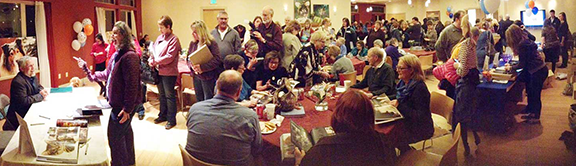 Release Party
 Web Presence
 Book Signings
 Amazon Author Page
 Facebook Profile and Facebook Page
 Active Social Media Participation
 Ebook Cards
 The Great Alaska Book Fair: October 8, 2016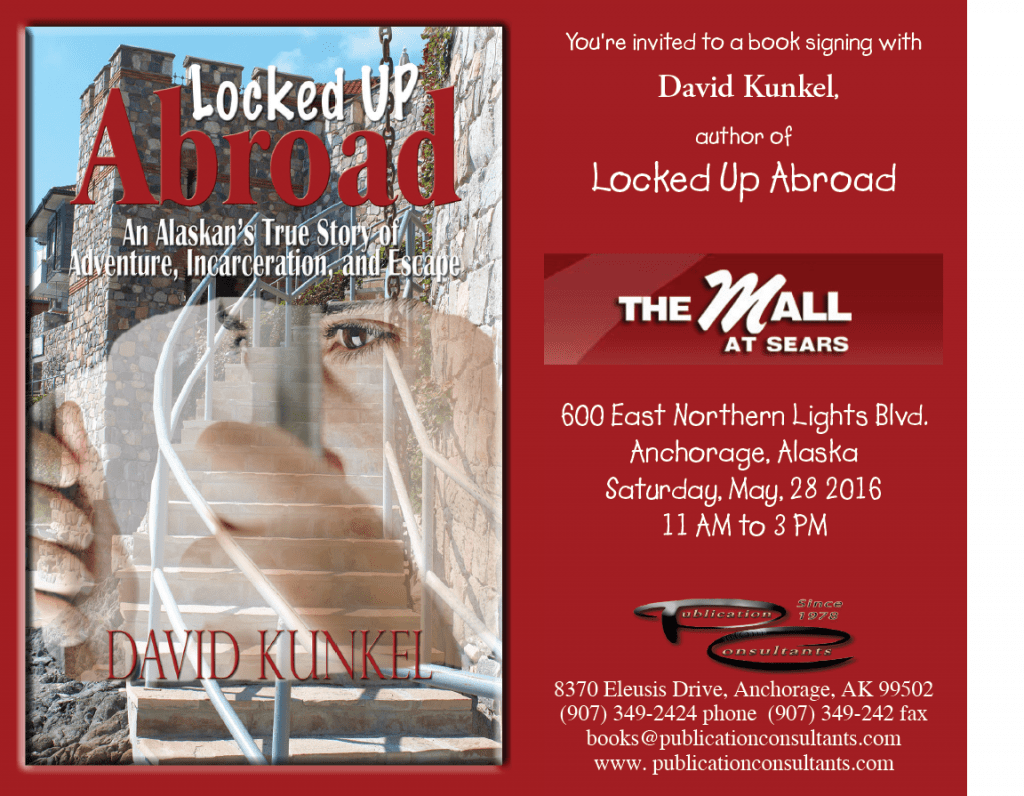
 Costco Book Signings
 eBook Cards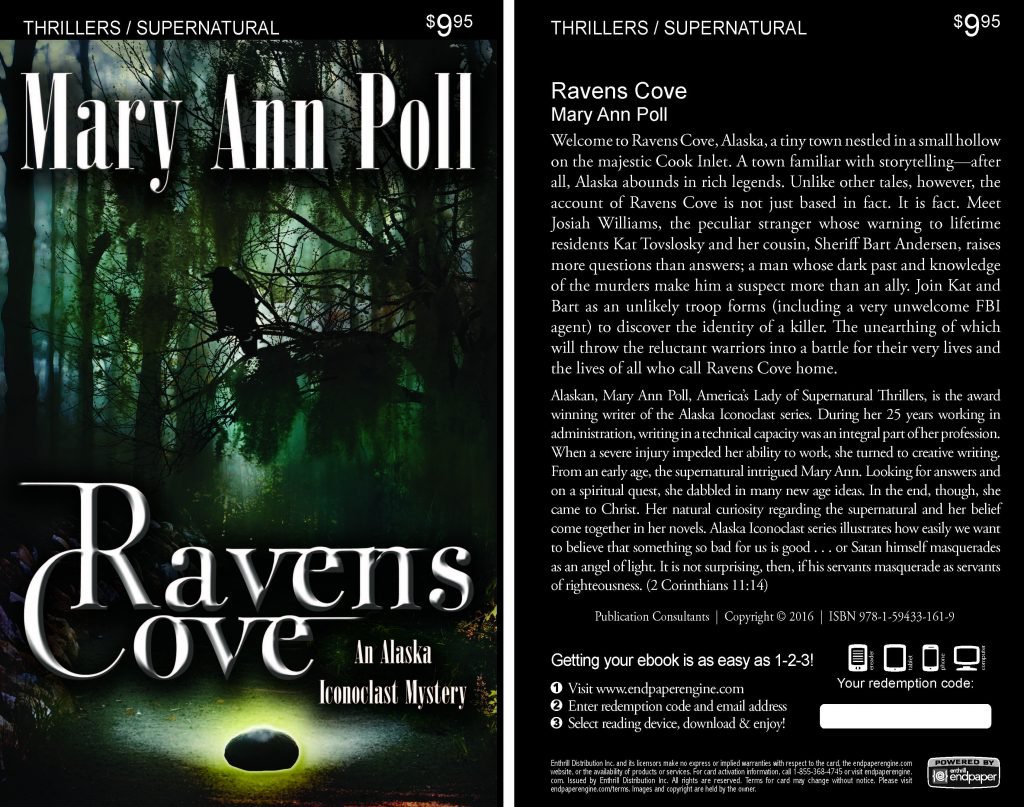

 Benjamin Franklin Award
 Jim Misko Book Signing at Barnes and Noble
 Cortex is for serious authors and will probably not be of interest to hobbyists. We recorded our Cortex training and information meeting. If you’re a serious author, and did not attend the meeting, and would like to review the training information, kindly let us know. Authors are required to have a Facebook author page to use Cortex.
 Correction:
 We take the quote by Marcella Smith, Small Press Business Manager, Barnes & Noble seriously: “The author is essential to the success of the book, giving energy behind the book to make it something that a customer will come in and ask for. That is what makes the difference in a book that sells, that develops legs, and has a life of its own. Otherwise the book goes on the shelf and stays there for three months. Then it gets returned.”
 This is Publication Consultants’ motivation for constantly striving to assist authors sell and market their books. ACM is Publication Consultants’ plan to accomplish this so that our authors’ books have a reasonable opportunity for success. We know the difference between motion and direction. ACM is direction! ACM is the process for authors who are serious about bringing their books to market. ACM is a boon for serious authors, but a burden for hobbyist. We don’t recommend ACM for hobbyists.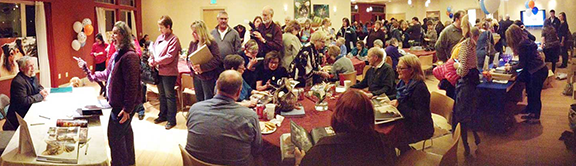

 We’re the only publisher we know of that provides authors with book signing opportunities. Book signing are appropriate for hobbyist and essential for serious authors. To schedule a book signing kindly go to our website, <
 An Author Page on Amazon Author Central is a serious author ACM requirement and desirable for the hobbyist. Author Central is a free resource designed to help authors become more active participants in the promotion of their books. In Author Central you can manage an Author Page, update information about your books, and view Customer Reviews and sales information for your bibliography. If you don’t already have an Author Page on
  We hear authors complain about all the personal stuff on Facebook. Most of these complaints are because the author doesn’t understand the difference difference between a Facebook profile and a Facebook page. Simply put, a profile is for personal things for friends and family; a page is for business. If your book is just a hobby, then it’s fine to have only a Facebook profile and make your posts for friends and family; however, if you’re serious about your writing, and it’s a business with you, or you want it to be business, then you need a Facebook page as an author. It’s simple to tell if it’s a page or a profile. A profile shows how many friends and a page shows how many likes. Here’s a link <> to a straight forward description on how to set up your author Facebook page.
 Active Social Media Participation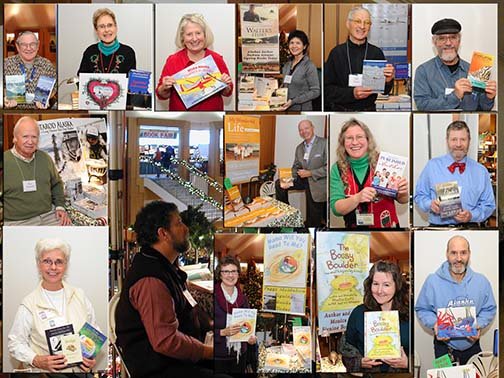


 Mosquito Books has a new location in the Anchorage international airport and is available for signings with 21 days notice. Jim Misko had a signing there yesterday. His signing report included these words, “Had the best day ever at the airport . . ..”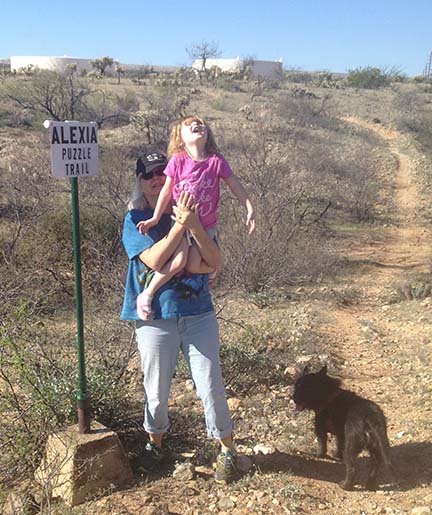


 The Lyin Kings: The Wannabe World Leaders
 Time and Tide


 ReadAlaska 2014
 Readerlink and Book Signings
 2014 Independent Publisher Book Awards Results
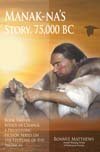
 Bonnye Matthews Radio Interview
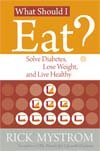 Rick Mystrom Radio Interview
 When he published those overseas blogs as the book The Innocents Abroad, it would become a hit. But you couldn’t find it in bookstores.
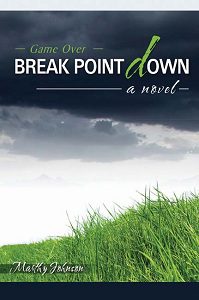 More NetGalley
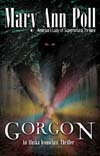 Mary Ann Poll


 Bumppo
 Computer Spell Checkers
 Seven Things I Learned From a Foreign Email
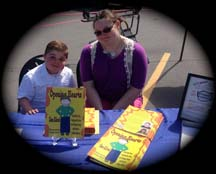 2014 Spirit of Youth Awards
 Book Signings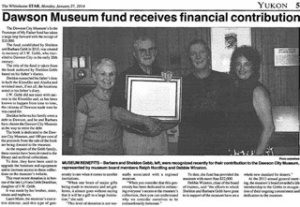
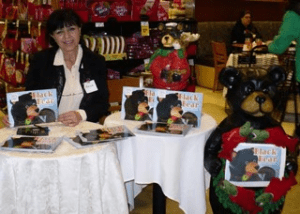
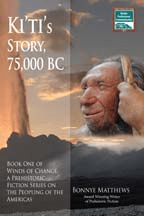
 Blog Talk Radio
 Publication Consultants Blog
 Book Signings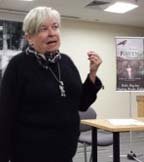

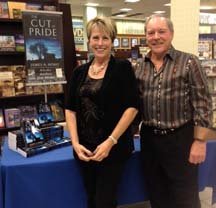

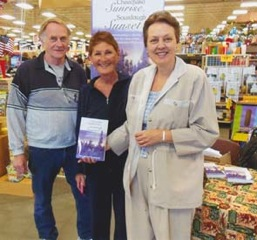 Don and Lanna Langdok
 Ron Walden
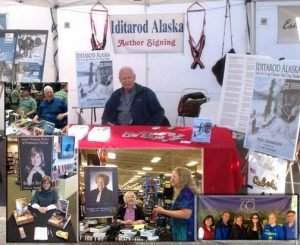 Book Signings Are Fun
 Release Party Video
 Erin’s book,
  Heather’s book,
  New Books