

Cedar Valley News – January 15, 2026
Built for Adults, Designed for Profit, and Optimized for Addiction
By: Chloe Papadakis
From the fictional town of Cedar Valley, where characters from Quiet Echo continue to respond to real-world events.
Two weeks ago, Virginia became the first state to limit social media use for kids under sixteen to one hour per day. Not a suggestion. Not a guideline. A law.
 The reactions were predictable. Tech companies cried censorship. Free speech advocates filed lawsuits. Teenagers rolled their eyes. But here’s what caught my attention: the silence from parents. Not outrage. Not celebration. Just a long, collective exhale—as if someone had finally said out loud what we’d been thinking for years.
I have a four-year-old daughter. Elena isn’t on TikTok yet. She doesn’t know what Instagram is. But I watch her cousins, her older neighbors, the teenagers at the library, and I see what’s coming. Heads bent over glowing screens. Conversations abandoned mid-sentence. That faraway look in their eyes, like they’re physically present but mentally somewhere else entirely.
The statistics are brutal. Teens who spend more than three hours a day on social media face double the risk of depression and anxiety. Nearly five hours a day is now average. And 83 percent of parents believe their children’s mental health is getting worse—not better.
We didn’t need a study to tell us this. We can see it in our living rooms.
Governor Youngkin’s law requires social media companies to verify users’ ages and automatically limit anyone under sixteen to sixty minutes daily unless a parent explicitly grants more time. It puts the burden where it belongs—on the platforms that designed these apps to be addictive in the first place.
Of course, the lawsuits have already started. NetChoice, a tech industry group, argues that limiting social media violates minors’ free speech rights. “The Constitution leaves the power to decide what speech is appropriate for minors where it belongs: with their parents,” their complaint reads.
And they’re not entirely wrong. This is a parenting issue. It always has been.
But here’s what the tech companies don’t want to admit: they built their platforms to override parental judgment. Infinite scroll. Algorithmic feeds that learn what hooks you and serve you more of it. Push notifications designed to trigger dopamine. These aren’t neutral tools. They’re engineered to capture attention—and they’re very, very good at it.
As a parent, I’m supposed to compete with a billion-dollar algorithm using willpower and good intentions? That’s not a fair fight.
New York’s Governor Hochul announced similar proposals this month—expanding age verification, disabling AI chatbots for kids, requiring the highest privacy settings by default. Other states are watching.
I’m not naïve enough to think a law will fix everything. Kids will find workarounds. VPNs exist. Older siblings have accounts. But laws shape culture, and culture shapes behavior. We ban cigarette sales to minors not because it prevents all teenage smoking, but because it sends a message about what we value. We’re saying: your developing brain matters. Your attention is precious. These companies don’t get unlimited access to your childhood.
Elena asked me the other day why I sometimes stare at my phone when she’s talking to me. I didn’t have a good answer. The truth is, I’m fighting the same battle. I know what it feels like to reach for the screen without thinking, to scroll when I should be present, to feel that pull toward something designed to pull me.
If I struggle with it at twenty-eight, how is a twelve-year-old supposed to resist?
Maybe the real gift of this law isn’t the time limit itself. Maybe it’s permission. Permission for parents to say no without feeling like they’re the only ones. Permission to set boundaries that feel supported by something larger than their own exhausted resolve.
Virginia’s experiment might fail. The courts might strike it down. But the conversation has started—and conversations matter. We’re finally asking whether childhood should include unlimited access to platforms built for adults, designed for profit, and optimized for addiction.
One hour isn’t a prison sentence. It’s a starting point. A breath. A reminder that there’s a world beyond the screen, and our kids deserve to know it.
Elena and I made cookies last weekend. No phones. No timers going off. Just flour on the counter and laughter when the icing got everywhere. It was messy and imperfect and exactly what childhood should be.
They built their platforms for adults, designed them for profit, and optimized them for addiction. Let’s build something different—a childhood designed for purpose and optimized for presence.
Sixty minutes of scrolling can’t compete with that. Not really. Not if we remember what we’re fighting for.
This editorial is part of the fictional Cedar Valley News series. While the people and town are fictional, the national events they reflect on are real.
Want to know the full story behind Cedar Valley? Teresa, Caleb, Dan, and the community you’ve come to know in these editorials first came together in Quiet Echo: When Loud Voices Divide, Quiet Ones Bring Together. Discover how a small town found its way from fear to fellowship—one quiet act of courage at a time. Available on Amazon: https://bit.ly/3ME4nSs
It’s free, live, and fresh! Quiet Echo—A Cedar Valley News Podcast is live on Apple Podcasts: https://bit.ly/4nV8XsE, Spotify: https://bit.ly/4hdNHfX, YouTube: https://bit.ly/48Zfu1g , and Podcastle: https://bit.ly/4pYRstE. Every day, you can hear Cedar Valley’s editorials read aloud by the voices you’ve come to know—warm, steady, and rooted in the values we share. Step into the rhythm of our town, one short reflection at a time. Wherever you listen, you’ll feel right at home. Presented by the Publication Consultants: https://publicationconsultants.com/



 Open a browser you do not normally use. Type your name. Hit search.
 He had grown up in Bujumbura, the capital — the son of a French father and a Rwandan Tutsi mother. In 1994, the genocide in neighboring Rwanda killed between 500,000 and 800,000 people in one hundred days. Civil war followed in Burundi. His family left. He grew up in France.
 The morning after. The folding tables are back in the garage. The leftover food is in the refrigerator. The unsold books are stacked on the dining room table. The banner is rolled up in the corner.
 Lee came to the United States from Seoul at age three, with his mother and sister, to join his father, a psychiatrist who had immigrated earlier. He grew up in Westchester County, outside New York City. As a child, he often translated for his Korean-speaking mother. He stood between two languages for her, carrying her words into English and the world’s words back to her.
 Monday morning. A bookstore manager sits down with forty-seven unread messages. She has an hour before the store opens. She is deciding which emails deserve her attention and which ones can wait.
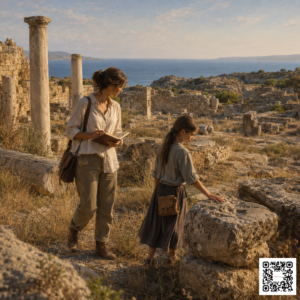 The novelist Ella Camposanto has arrived in Sicily with her twelve-year-old daughter, Manuela. They are staying near the ruins where the narrator’s grandmother once worked on an archaeological dig. The summer is full of volcanic rumbles and sudden storms. The narrator’s mother is beginning to forget.
 When I was publishing Alaska Outdoors magazine, the head of the journalism department at the University of Alaska sent me a submission. It was so poorly written, I took it for a joke. I answered it as a joke, only to learn the author was serious. He simply had such an inflated self-image; his writing read like a spoof. It was no spoof.
 At 8:15 on the morning of August 6, 1945, Kiyoshi Tanimoto was on the outskirts of Hiroshima, unloading a handcart at a house in the suburb of Koi. He was two miles from the city center. He had slept poorly — the overnight air-raid warnings had kept him up — and he had risen early and set out with the cart.
 Two books publish on the same Tuesday.
 Among the nineteen longlisted novelists this year are writers who have been writing for a long time before this first novel existed.
 You check your Amazon page for the first time after your launch team has done its work. The reviews are there. Three in the first week. Your heart lifts. Then you notice the label beneath one of them.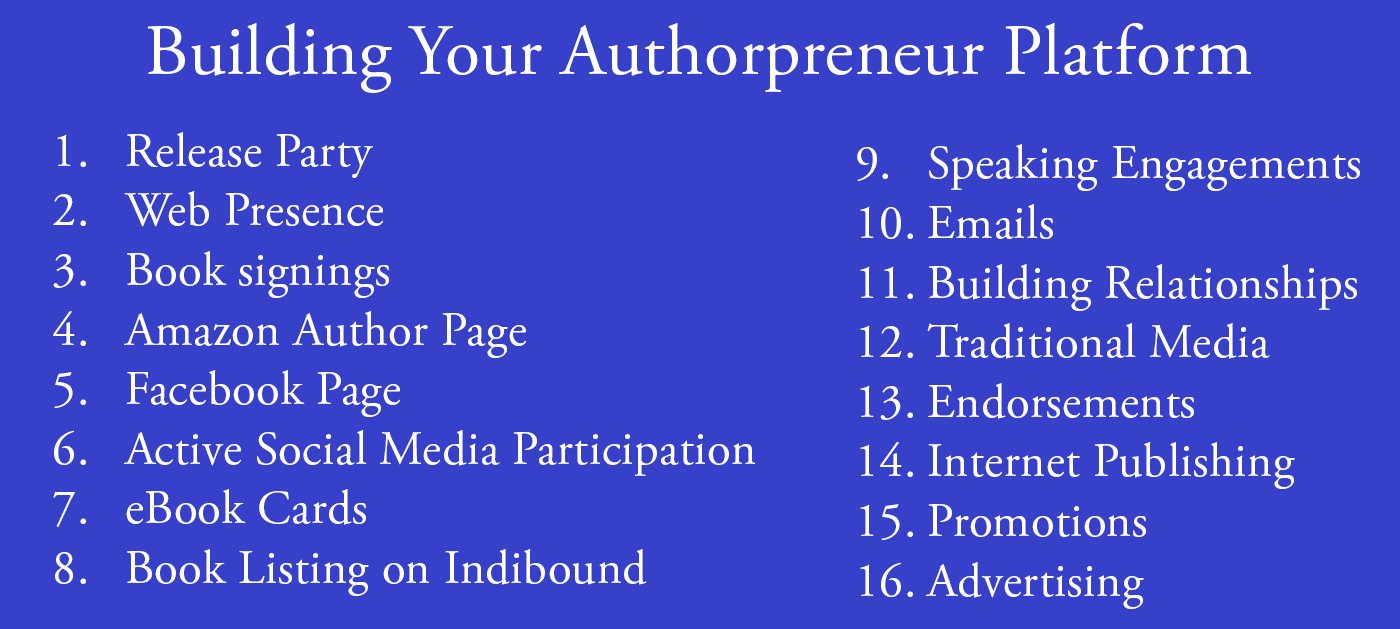
 Author Campaign Method (ACM) for Authorpreneurs
 This is Publication Consultants’ motivation for constantly striving to assist authors sell and market their books. Author Campaign Method (ACM) of sales and marketing is Publication Consultants’ plan to accomplish this so that our authors’ books have a reasonable opportunity for success. We know the difference between motion and direction. ACM is direction! ACM is the process for authorpreneurs who are serious about bringing their books to market. ACM is a boon for them.
 Release Party
 Web Presence
 Book Signings
 Amazon Author Page
 Facebook Profile and Facebook Page
 Active Social Media Participation
 Ebook Cards
 The Great Alaska Book Fair: October 8, 2016


 Costco Book Signings
 eBook Cards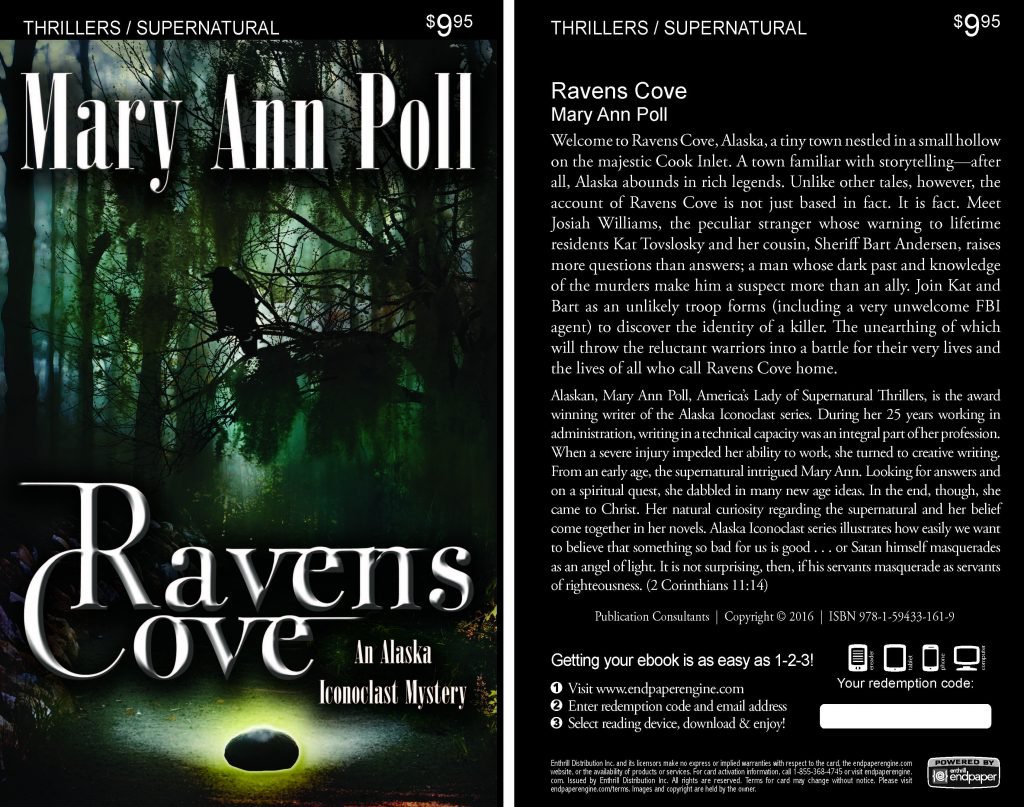

 Benjamin Franklin Award
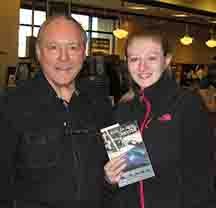 Jim Misko Book Signing at Barnes and Noble
 Cortex is for serious authors and will probably not be of interest to hobbyists. We recorded our Cortex training and information meeting. If you’re a serious author, and did not attend the meeting, and would like to review the training information, kindly let us know. Authors are required to have a Facebook author page to use Cortex.
 Correction:
 We take the quote by Marcella Smith, Small Press Business Manager, Barnes & Noble seriously: “The author is essential to the success of the book, giving energy behind the book to make it something that a customer will come in and ask for. That is what makes the difference in a book that sells, that develops legs, and has a life of its own. Otherwise the book goes on the shelf and stays there for three months. Then it gets returned.”
 This is Publication Consultants’ motivation for constantly striving to assist authors sell and market their books. ACM is Publication Consultants’ plan to accomplish this so that our authors’ books have a reasonable opportunity for success. We know the difference between motion and direction. ACM is direction! ACM is the process for authors who are serious about bringing their books to market. ACM is a boon for serious authors, but a burden for hobbyist. We don’t recommend ACM for hobbyists.

 We’re the only publisher we know of that provides authors with book signing opportunities. Book signing are appropriate for hobbyist and essential for serious authors. To schedule a book signing kindly go to our website, <
 An Author Page on Amazon Author Central is a serious author ACM requirement and desirable for the hobbyist. Author Central is a free resource designed to help authors become more active participants in the promotion of their books. In Author Central you can manage an Author Page, update information about your books, and view Customer Reviews and sales information for your bibliography. If you don’t already have an Author Page on
  We hear authors complain about all the personal stuff on Facebook. Most of these complaints are because the author doesn’t understand the difference difference between a Facebook profile and a Facebook page. Simply put, a profile is for personal things for friends and family; a page is for business. If your book is just a hobby, then it’s fine to have only a Facebook profile and make your posts for friends and family; however, if you’re serious about your writing, and it’s a business with you, or you want it to be business, then you need a Facebook page as an author. It’s simple to tell if it’s a page or a profile. A profile shows how many friends and a page shows how many likes. Here’s a link <> to a straight forward description on how to set up your author Facebook page.
 Active Social Media Participation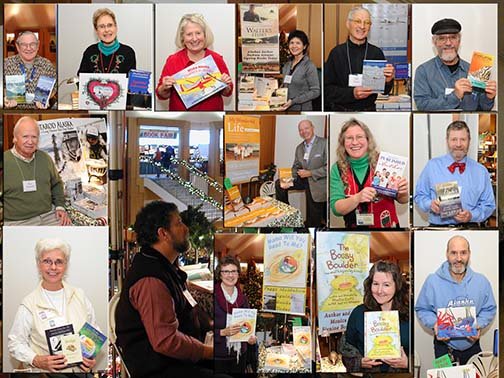


 Mosquito Books has a new location in the Anchorage international airport and is available for signings with 21 days notice. Jim Misko had a signing there yesterday. His signing report included these words, “Had the best day ever at the airport . . ..”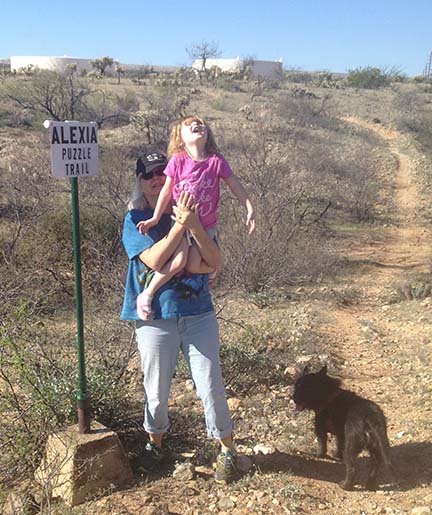


 The Lyin Kings: The Wannabe World Leaders
 Time and Tide


 ReadAlaska 2014
 Readerlink and Book Signings
 2014 Independent Publisher Book Awards Results
 Bonnye Matthews Radio Interview
 Rick Mystrom Radio Interview
 When he published those overseas blogs as the book The Innocents Abroad, it would become a hit. But you couldn’t find it in bookstores.
 More NetGalley
 Mary Ann Poll


 Bumppo
 Computer Spell Checkers
 Seven Things I Learned From a Foreign Email
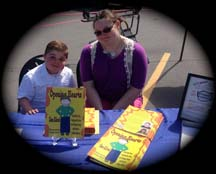 2014 Spirit of Youth Awards
 Book Signings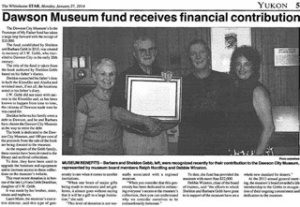
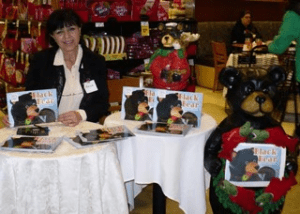
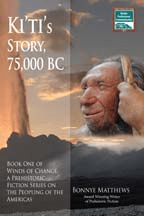
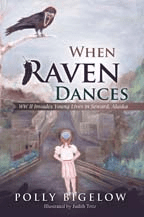 Blog Talk Radio
 Publication Consultants Blog
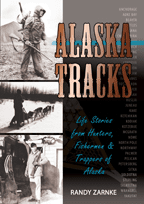 Book Signings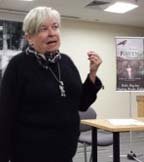

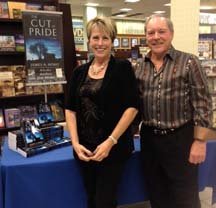

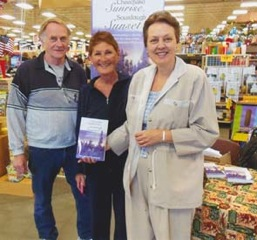 Don and Lanna Langdok
 Ron Walden
 Book Signings Are Fun
 Release Party Video
 Erin’s book,
  Heather’s book,
  New Books