

 In the fall of 2022, Theo Baker arrived at Stanford University with a plan. He was seventeen years old, the son of two prominent journalists — Peter Baker, White House correspondent for the New York Times, and Susan Glasser, a writer for The New Yorker. He had grown up watching both parents disappear into breaking news, and he wanted something different. He enrolled at Stanford to study technology.
One month into his freshman year, he joined the student newspaper.
Within weeks, browsing a scientific review website called PubPeer, he found references to allegations no one had publicly reported: Stanford’s president, Marc Tessier-Lavigne — a celebrated neuroscientist, a wealthy biotech executive, the man presiding over one of the world’s most powerful universities — had overseen labs at multiple institutions where researchers falsified data in studies published across two decades.
Baker began reporting. He was eighteen years old, thousands of miles from home, a freshman in his first semester. High-powered lawyers were hired to attack his work. Public relations teams worked to discredit him. He received anonymous letters. He went on stakeouts. He tracked down confidential sources.
He kept writing.
Stanford opened a formal investigation into its own president. On July 19, 2023, Marc Tessier-Lavigne resigned. Baker’s reporting had brought down the leader of one of the most powerful universities in the world. He became the youngest person ever to receive the George Polk Award — one of journalism’s highest honors. Warner Brothers optioned the rights to his story.
This week, with graduation days away, Baker published his first book: How to Rule the World: An Education in Power at Stanford University. It is a sweeping account of four years investigating an institution built to cultivate the next generation of the powerful. He arrived to study technology. He leaves having written the book only he could write.
In the spring of 1892, Ida B. Wells received news from Memphis, Tennessee. Three men she knew — Thomas Moss, Calvin McDowell, and Will Stewart — had been taken from a jail by a mob and lynched. They had owned a grocery store. Their real offense had been competing successfully with a white-owned store nearby.
Wells was thirty years old. She had been writing for newspapers since her mid-twenties, after losing her job as a teacher when she sued a railroad company for forcing her out of a first-class car. She was co-owner and editor of a Memphis paper called Free Speech and Headlight. She was not planning to become the country’s most consequential investigative journalist on racial violence. The murder of her friends required her.
She investigated. She documented. She published.
In May 1892, while she was traveling in New York, a mob destroyed her newspaper office and wrecked the press. She was warned: return to Memphis and she would be killed. She did not return.
From New York, then from Chicago, she continued the work. She documented more than 700 lynchings. She published
From New York, then from Chicago, she continued the work. She documented more than 700 lynchings. She published Southern Horrors: Lynch Law in All Its Phases in 1892 and A Red Record in 1895. Her journalism contributed directly to the formation of the NAACP. Her work helped change what Americans were able to look at and not look away from.
She wrote: “The way to right wrongs is to shine the light of truth upon them.”
She had been a teacher. She had not planned on any of this. The truth required her.
Theo Baker arrived at Stanford to study technology. Ida B. Wells was teaching school in Memphis. Neither planned to become the writer who would do the most consequential work of their life.
The truth found them. It made a demand. They answered it.
The Power of Authors teaches: the author writing from genuine purpose is not always the author who planned to write. Sometimes purpose arrives as an obligation — a thing seen, a wrong documented, a record only this person can make. The writer who answers purpose does not ask whether it fits the career plan. The writer who answers purpose asks only: is this true, and does it need to be written?
Baker was eighteen, alone, and under attack by lawyers and public relations professionals paid to stop him. He kept writing because the story was true and someone had to write it.
Wells was forced out of the city she had built her life in. She kept writing from wherever she landed because the truth was not finished with her yet.
You may be sitting with a story right now — a truth you have seen, a record no one else is keeping, a wrong shining in the light of your particular position and experience. You may be wondering whether it is your story to tell. Whether you are the right person. Whether the time is right.
The purpose found Baker in a freshman dormitory. It found Wells in the wreckage of her press. It does not wait for the right time or the right person.
If it has found you, write it.
Discover why purpose is the foundation of every sentence worth writing in The Power of Authors by Evan and Lois Swensen.
The Power of Authors is available from Amazon or your favorite bookseller: http://evanswensen.com. If you’d like an autographed copy, you can order it here: http://bit.ly/4pgmzjM.


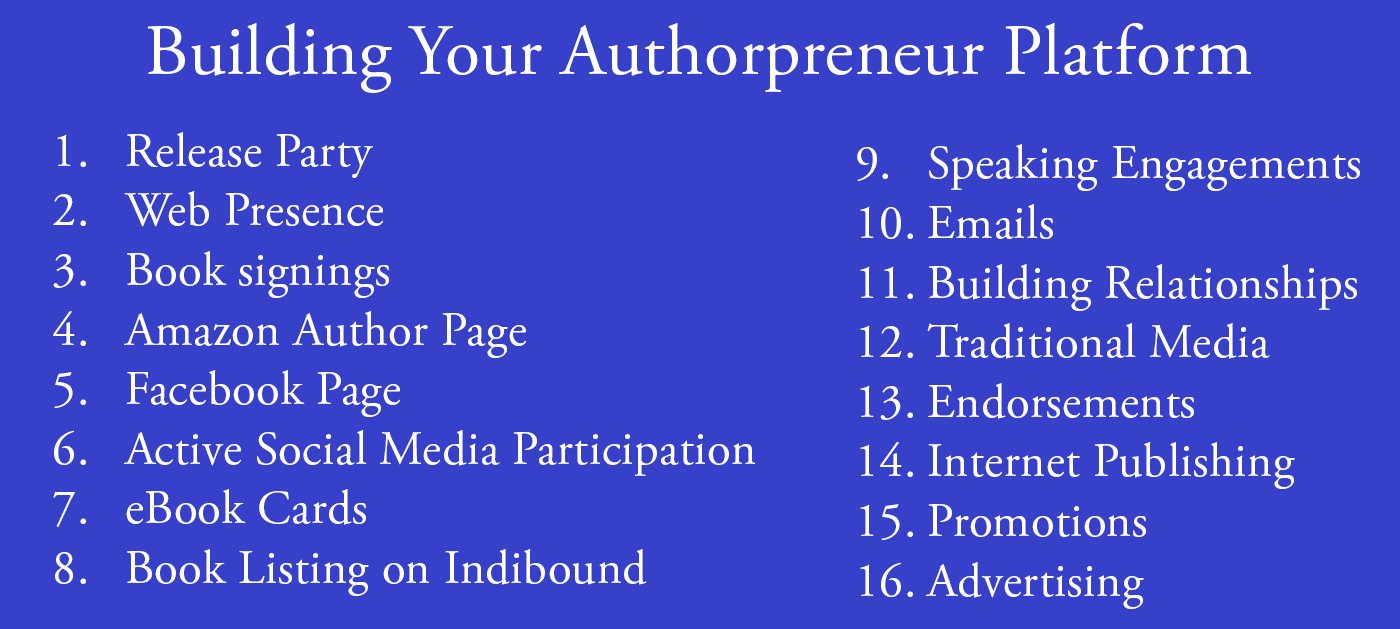

 Author Campaign Method (ACM) for Authorpreneurs
 This is Publication Consultants’ motivation for constantly striving to assist authors sell and market their books. Author Campaign Method (ACM) of sales and marketing is Publication Consultants’ plan to accomplish this so that our authors’ books have a reasonable opportunity for success. We know the difference between motion and direction. ACM is direction! ACM is the process for authorpreneurs who are serious about bringing their books to market. ACM is a boon for them.
 Release Party
 Web Presence
 Book Signings
 Amazon Author Page
 Facebook Profile and Facebook Page
 Active Social Media Participation
 Ebook Cards
 The Great Alaska Book Fair: October 8, 2016


 Costco Book Signings
 eBook Cards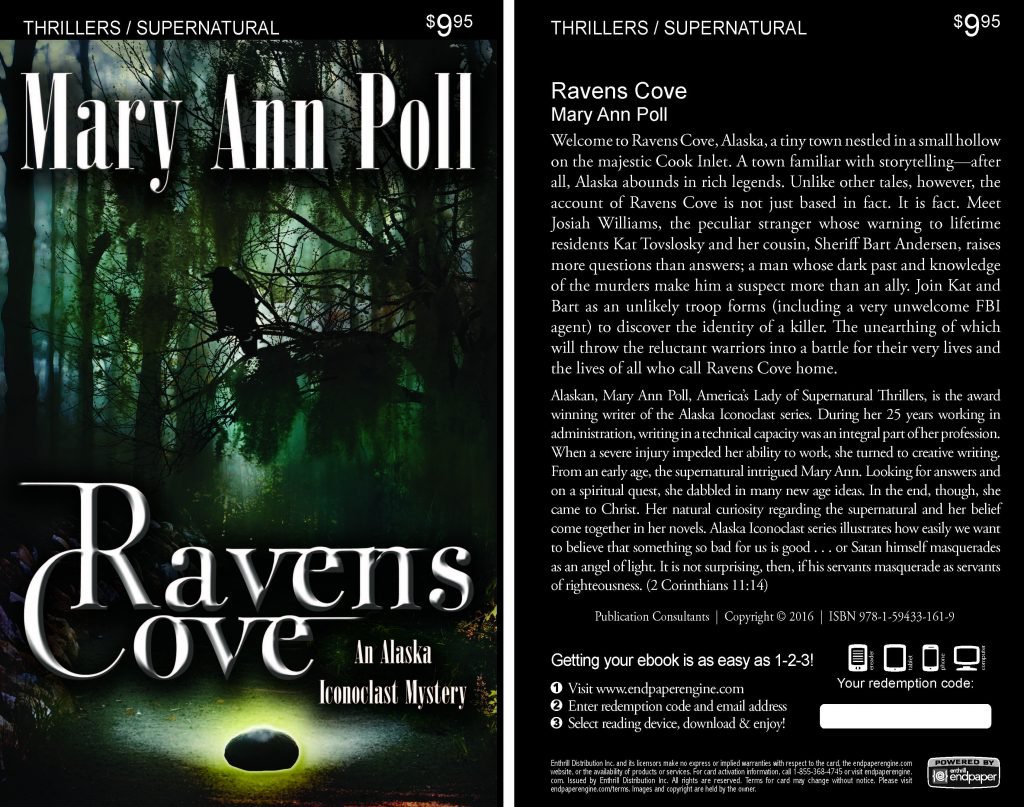

 Benjamin Franklin Award
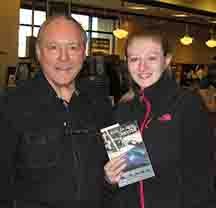 Jim Misko Book Signing at Barnes and Noble
 Cortex is for serious authors and will probably not be of interest to hobbyists. We recorded our Cortex training and information meeting. If you’re a serious author, and did not attend the meeting, and would like to review the training information, kindly let us know. Authors are required to have a Facebook author page to use Cortex.
 Correction:
 We take the quote by Marcella Smith, Small Press Business Manager, Barnes & Noble seriously: “The author is essential to the success of the book, giving energy behind the book to make it something that a customer will come in and ask for. That is what makes the difference in a book that sells, that develops legs, and has a life of its own. Otherwise the book goes on the shelf and stays there for three months. Then it gets returned.”
 This is Publication Consultants’ motivation for constantly striving to assist authors sell and market their books. ACM is Publication Consultants’ plan to accomplish this so that our authors’ books have a reasonable opportunity for success. We know the difference between motion and direction. ACM is direction! ACM is the process for authors who are serious about bringing their books to market. ACM is a boon for serious authors, but a burden for hobbyist. We don’t recommend ACM for hobbyists.

 We’re the only publisher we know of that provides authors with book signing opportunities. Book signing are appropriate for hobbyist and essential for serious authors. To schedule a book signing kindly go to our website, <
 An Author Page on Amazon Author Central is a serious author ACM requirement and desirable for the hobbyist. Author Central is a free resource designed to help authors become more active participants in the promotion of their books. In Author Central you can manage an Author Page, update information about your books, and view Customer Reviews and sales information for your bibliography. If you don’t already have an Author Page on
  We hear authors complain about all the personal stuff on Facebook. Most of these complaints are because the author doesn’t understand the difference difference between a Facebook profile and a Facebook page. Simply put, a profile is for personal things for friends and family; a page is for business. If your book is just a hobby, then it’s fine to have only a Facebook profile and make your posts for friends and family; however, if you’re serious about your writing, and it’s a business with you, or you want it to be business, then you need a Facebook page as an author. It’s simple to tell if it’s a page or a profile. A profile shows how many friends and a page shows how many likes. Here’s a link <> to a straight forward description on how to set up your author Facebook page.
 Active Social Media Participation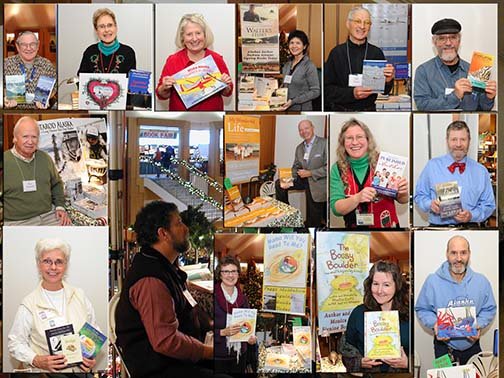


 Mosquito Books has a new location in the Anchorage international airport and is available for signings with 21 days notice. Jim Misko had a signing there yesterday. His signing report included these words, “Had the best day ever at the airport . . ..”


 The Lyin Kings: The Wannabe World Leaders
 Time and Tide


 ReadAlaska 2014
 Readerlink and Book Signings
 2014 Independent Publisher Book Awards Results
 Bonnye Matthews Radio Interview
 Rick Mystrom Radio Interview
 When he published those overseas blogs as the book The Innocents Abroad, it would become a hit. But you couldn’t find it in bookstores.
 More NetGalley
 Mary Ann Poll


 Bumppo
 Computer Spell Checkers
 Seven Things I Learned From a Foreign Email
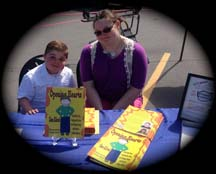 2014 Spirit of Youth Awards
 Book Signings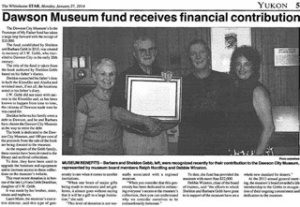

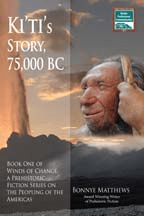
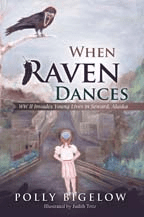 Blog Talk Radio
 Publication Consultants Blog
 Book Signings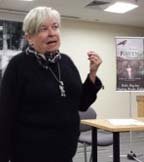

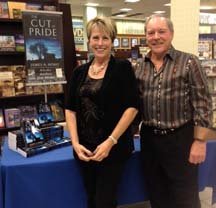

 Don and Lanna Langdok
 Ron Walden
 Book Signings Are Fun
 Release Party Video
 Erin’s book,
  Heather’s book,
  New Books