

Cedar Valley News — March 11, 2026
If You Bought It, You Should Be Able to Fix It
By: Lars Olson
From the fictional town of Cedar Valley, where characters from Quiet Echo continue to respond to real-world events.
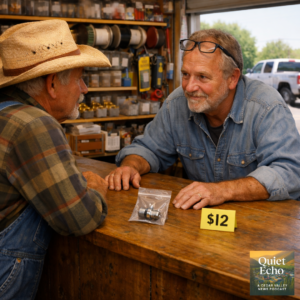 A farmer walked into my store last month looking for a hydraulic fitting for his tractor. Simple part. I had it on the shelf. He could have installed it in his barn in twenty minutes. Instead, he told me he could not use it. The tractor’s onboard computer would not let him complete the repair without a dealer-authorized diagnostic tool. He had to load the machine onto a trailer, haul it forty miles to the dealership, wait three days, and pay $1,400 for a job he could have done himself for less than $60.
He bought the tractor. He owns the tractor. But he does not own the right to fix it.
For years, major equipment manufacturers have used software locks and proprietary diagnostic systems to force farmers to go to authorized dealerships for repairs. They claimed federal emissions law — the Clean Air Act — required it. The law did not require it. The manufacturers interpreted it in a way most favorable to their repair monopoly, and nobody in government corrected them until last month.
On February 2, the EPA issued guidance making clear what the law already said. Farmers and equipment owners have the right to make their own repairs. Temporary overrides of emissions systems are permitted for legitimate repair purposes, provided the equipment is returned to compliance afterward. Manufacturers can no longer use the Clean Air Act to justify locking farmers out of their own machines.
More than 95 percent of farmers surveyed agreed they should be able to repair equipment they own. The fact it took this long for the government to say the same thing tells you how far we have drifted from common sense.
I sell hardware. Every item in my store exists for one purpose — to help somebody fix, build, or maintain something with their own hands. A box of fittings. A roll of wire. A set of wrenches. The entire premise of my business is the belief a person who owns a thing has the right and the ability to take care of it.
Somewhere in the last thirty years, we started accepting a different idea. The idea was: you may purchase this product, but you do not fully own it. The software inside belongs to us. The diagnostic tools belong to us. The knowledge required to repair it belongs to us. You own the shell. We own the brain. And when the brain stops working, you come to us, on our schedule, at our price.
This is not only a farming problem. It is a phone problem, a car problem, an appliance problem. Manufacturers across industries have used software to turn ownership into a subscription. You do not buy a product anymore. You buy permission to use a product under conditions the manufacturer controls. When it breaks, you do not fix it. You return it to the people who made it and hope they answer the phone.
The February guidance is a step in the right direction. But guidance is not law. The National Farmers Union said it plainly — guidance alone is not enough. Farmers need enforceable protections. A bill called the FARM Act is now before Congress. It would require manufacturers to provide documentation, parts, software, and tools to farmers and independent repair shops. Whether it passes is another question. Legislation moves slower than a combine with a locked computer.
To be sure, manufacturers have legitimate concerns. They worry about safety if untrained people override systems designed to prevent injury. They worry about emissions compliance. They worry about intellectual property. These are real concerns, and I do not dismiss them. But the answer to those concerns is not to strip the owner of the right to maintain what they paid for. The answer is to provide the tools and information, and to trust the person who feeds the country to use them responsibly.
Mildred says I get worked up about things like this. She is probably right. But I have spent forty years behind this counter watching people walk in, buy the part they need, and walk out knowing they can handle the problem. The day a person cannot fix what they own is the day ownership no longer means what it used to.
If you bought it, you should be able to fix it. The law should not need to say so. But apparently it does.
This editorial is part of the fictional Cedar Valley News series, written by Evan Swensen, Publisher, Publication Consultants, and Claude Marshall, AI Developmental Editor. While the people and town are fictional, the national events they reflect on are real.


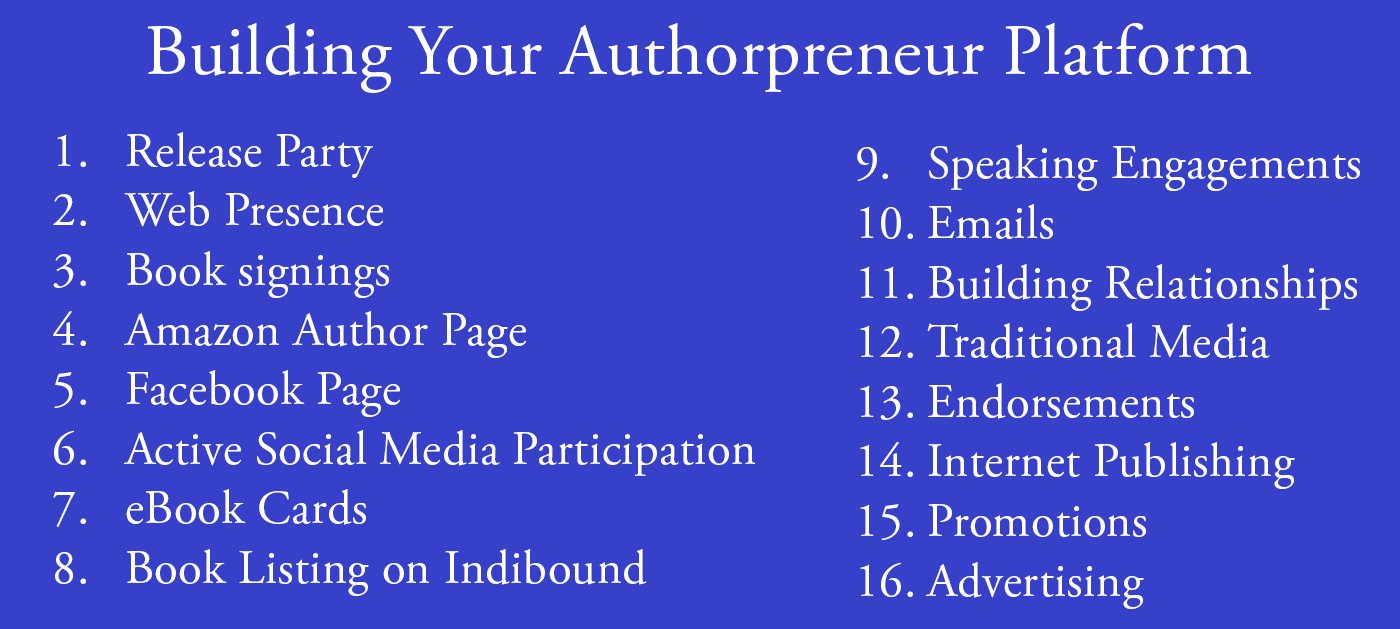

 Author Campaign Method (ACM) for Authorpreneurs
 This is Publication Consultants’ motivation for constantly striving to assist authors sell and market their books. Author Campaign Method (ACM) of sales and marketing is Publication Consultants’ plan to accomplish this so that our authors’ books have a reasonable opportunity for success. We know the difference between motion and direction. ACM is direction! ACM is the process for authorpreneurs who are serious about bringing their books to market. ACM is a boon for them.
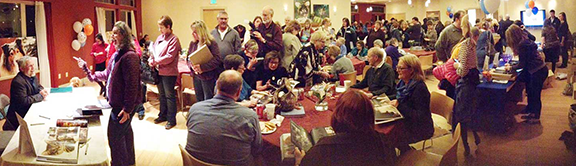 Release Party
 Web Presence
 Book Signings
 Amazon Author Page
 Facebook Profile and Facebook Page
 Active Social Media Participation
 Ebook Cards
 The Great Alaska Book Fair: October 8, 2016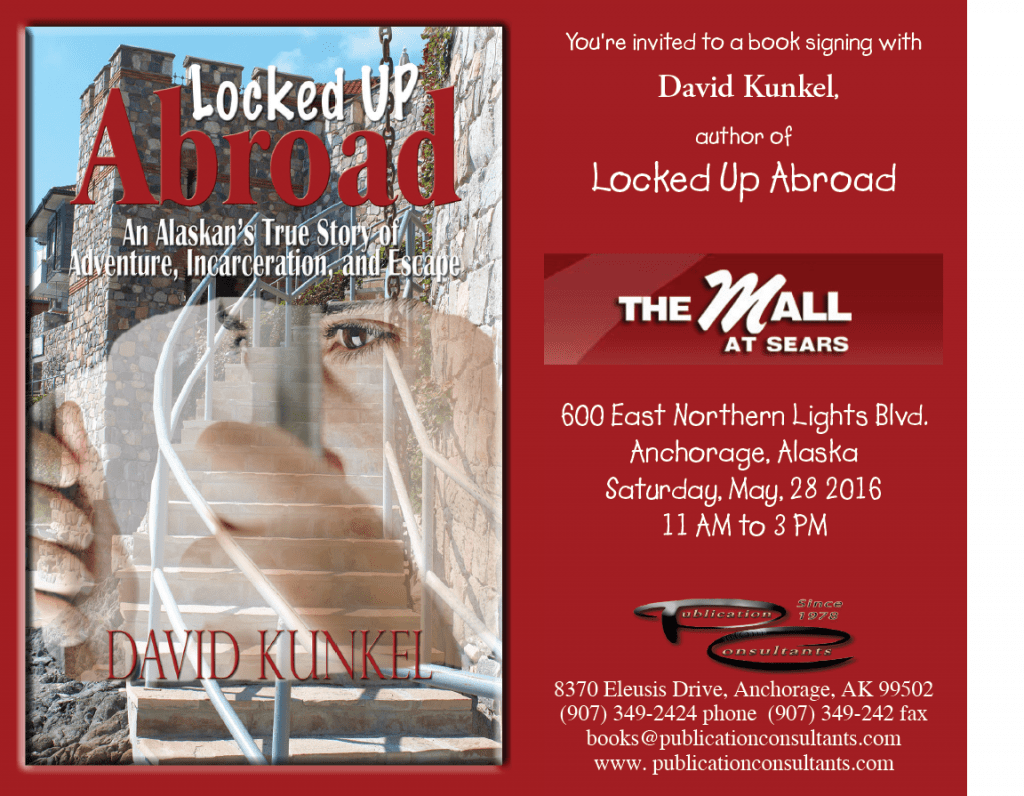
 Costco Book Signings
 eBook Cards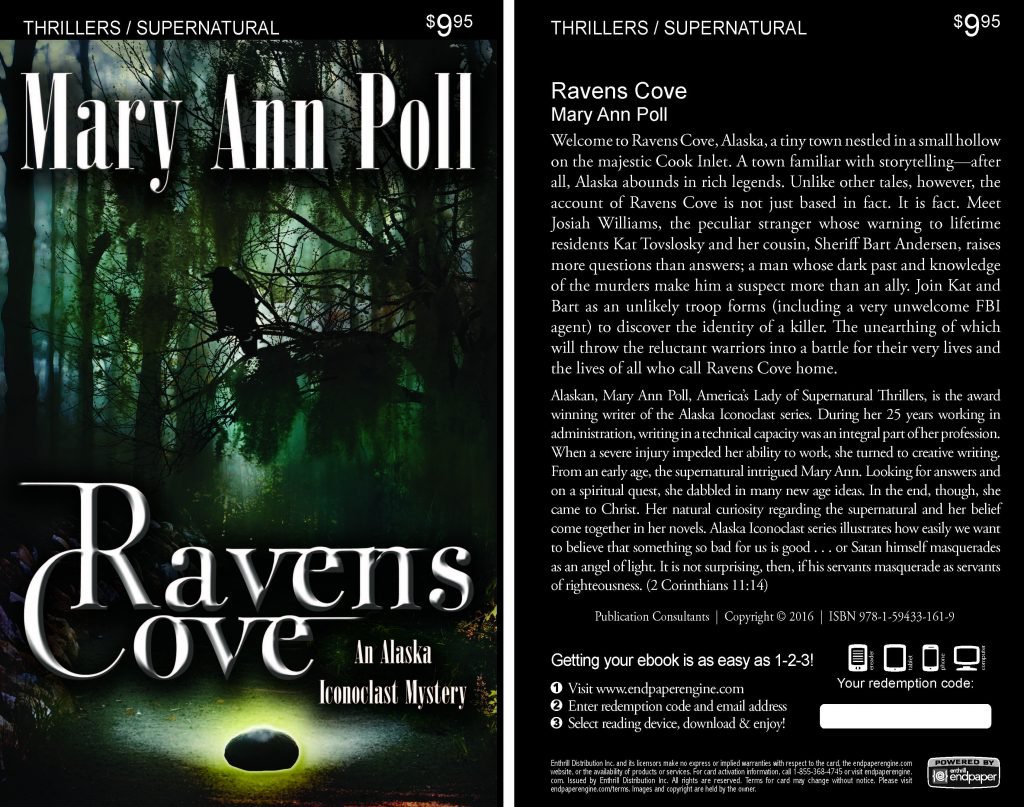

 Benjamin Franklin Award
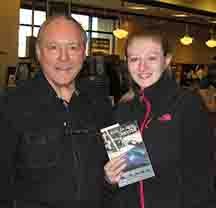 Jim Misko Book Signing at Barnes and Noble
 Cortex is for serious authors and will probably not be of interest to hobbyists. We recorded our Cortex training and information meeting. If you’re a serious author, and did not attend the meeting, and would like to review the training information, kindly let us know. Authors are required to have a Facebook author page to use Cortex.
 Correction:
 We take the quote by Marcella Smith, Small Press Business Manager, Barnes & Noble seriously: “The author is essential to the success of the book, giving energy behind the book to make it something that a customer will come in and ask for. That is what makes the difference in a book that sells, that develops legs, and has a life of its own. Otherwise the book goes on the shelf and stays there for three months. Then it gets returned.”
 This is Publication Consultants’ motivation for constantly striving to assist authors sell and market their books. ACM is Publication Consultants’ plan to accomplish this so that our authors’ books have a reasonable opportunity for success. We know the difference between motion and direction. ACM is direction! ACM is the process for authors who are serious about bringing their books to market. ACM is a boon for serious authors, but a burden for hobbyist. We don’t recommend ACM for hobbyists.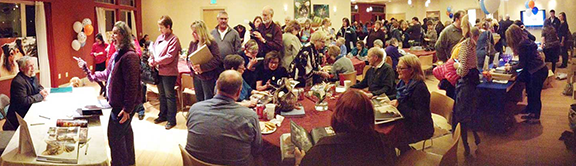

 We’re the only publisher we know of that provides authors with book signing opportunities. Book signing are appropriate for hobbyist and essential for serious authors. To schedule a book signing kindly go to our website, <
 An Author Page on Amazon Author Central is a serious author ACM requirement and desirable for the hobbyist. Author Central is a free resource designed to help authors become more active participants in the promotion of their books. In Author Central you can manage an Author Page, update information about your books, and view Customer Reviews and sales information for your bibliography. If you don’t already have an Author Page on
  We hear authors complain about all the personal stuff on Facebook. Most of these complaints are because the author doesn’t understand the difference difference between a Facebook profile and a Facebook page. Simply put, a profile is for personal things for friends and family; a page is for business. If your book is just a hobby, then it’s fine to have only a Facebook profile and make your posts for friends and family; however, if you’re serious about your writing, and it’s a business with you, or you want it to be business, then you need a Facebook page as an author. It’s simple to tell if it’s a page or a profile. A profile shows how many friends and a page shows how many likes. Here’s a link <> to a straight forward description on how to set up your author Facebook page.
 Active Social Media Participation


 Mosquito Books has a new location in the Anchorage international airport and is available for signings with 21 days notice. Jim Misko had a signing there yesterday. His signing report included these words, “Had the best day ever at the airport . . ..”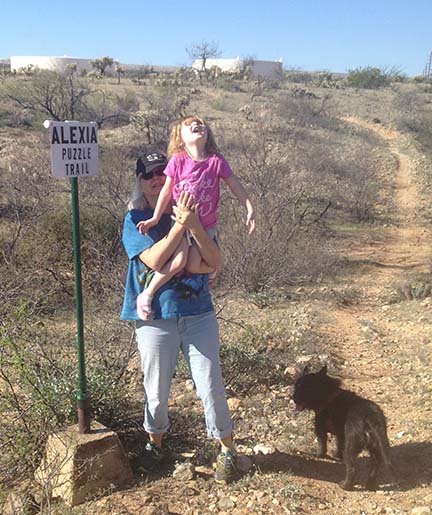


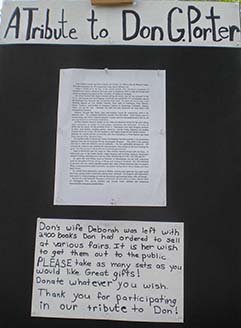
 The Lyin Kings: The Wannabe World Leaders
 Time and Tide


 ReadAlaska 2014
 Readerlink and Book Signings
 2014 Independent Publisher Book Awards Results
 Bonnye Matthews Radio Interview
 Rick Mystrom Radio Interview
 When he published those overseas blogs as the book The Innocents Abroad, it would become a hit. But you couldn’t find it in bookstores.
 More NetGalley
 Mary Ann Poll


 Bumppo
 Computer Spell Checkers
 Seven Things I Learned From a Foreign Email
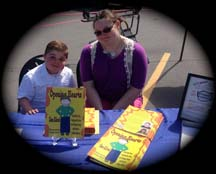 2014 Spirit of Youth Awards
 Book Signings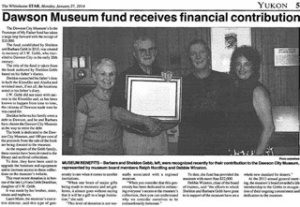
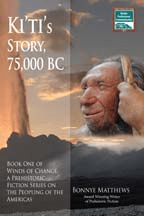
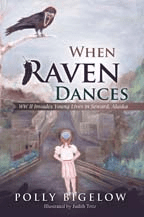 Blog Talk Radio
 Publication Consultants Blog
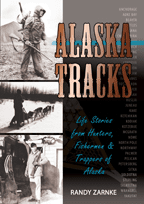 Book Signings
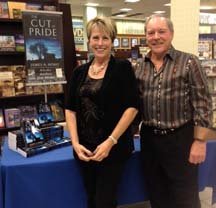

 Don and Lanna Langdok
 Ron Walden
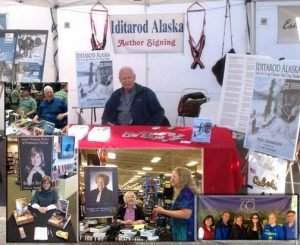 Book Signings Are Fun
 Release Party Video
 Erin’s book,
  Heather’s book,
  New Books