


Cedar Valley News – February 19, 2026
The Man Who Never Disappeared
By: Chloe Papadakis
From the fictional town of Cedar Valley, where characters from Quiet Echo continue to respond to real-world events.
 Robert Duvall died Sunday at ninety-five, and his family asked us not to hold a funeral. They asked us to watch a great film, tell a good story around a table with friends, or take a drive in the countryside. That is the most beautiful obituary instruction I have ever heard.
I am twenty-eight years old. I did not grow up watching Duvall the way my parents did. I came to him late — the way you come to anything real, by accident, when you are finally ready to pay attention. My husband put on Tender Mercies one night after our daughter was born, during those sleepless weeks when the house smells like milk and everything feels raw. I watched a man lose everything, find a small town, marry a quiet woman, and rebuild his life one careful day at a time. He sang his own songs. He did not raise his voice. He did not need to. When the movie ended I sat in the dark and cried, and I could not explain why except it felt like watching someone tell the truth.
That is what Duvall did. He told the truth. For seven decades he walked onto a set and became someone else so completely the audience forgot they were watching a performance. Tom Hagen in The Godfather — calm while the world around him burned. Gus McCrae in Lonesome Dove — dying on a porch, asking his friend to carry him home. The Apostle — a broken preacher rebuilding a church with his bare hands because the calling would not let him quit.
He never disappeared into fame the way actors do now. He disappeared into the work. There is a difference. Fame makes you bigger. Work makes you truer. Duvall chose truth every time, and the result was a body of work so deep you could spend a lifetime watching it and still find something new.
I think about this because I am a mother, and mothers think about what gets passed down. My daughter is two. She will not remember Robert Duvall. She will not know what it meant to watch a man commit his whole life to a craft and never cut corners, never chase trends, never trade substance for attention. But I will know. And what I know shapes what I teach her.
We live in a world built on disappearing. Content vanishes in twenty-four hours. Attention spans shrink by the season. My generation was raised on feeds and stories and posts designed to be forgotten by morning. We consume and scroll and consume again, and nothing stays. Nothing is meant to stay.
Duvall stayed. He made his first film in 1962 — playing Boo Radley in To Kill a Mockingbird, a ghost who turns out to be the most human character in the story. He made his last film more than sixty years later. Between those two bookends he built something the algorithm cannot replicate. He built a life of showing up, doing the work, and letting the work speak.
Teresa stopped by my desk yesterday and asked what I was writing about. I told her I was writing about an actor. She raised an eyebrow. She said Cedar Valley does not usually do Hollywood obituaries. I told her this was not a Hollywood obituary. This was about craft. She smiled and said, “Then it belongs in the paper.”
She is right. Craft belongs everywhere. It belongs in Lars Olson’s hardware store, where he measures twice and cuts once because he was taught the board deserves your attention. It belongs in George Khan’s repair shop, where a lawnmower gets the same care whether the customer is watching or not. It belongs at Caleb Mercer’s workbench, where a dovetail joint is a dovetail joint whether anyone will ever see it.
Duvall would have understood Cedar Valley. He lived on a farm in Virginia. He did not chase the spotlight. He tended his land, loved his wife, and worked when the work called. His family did not say he was a star. They said he loved characters, a great meal, and holding court. That is a man who knew the difference between being known and being seen.
Here is what I want to leave with you this Thursday morning. The next time you sit down to do something — anything — do it the way Duvall made a film. Do it like it matters. Do it like someone might watch it fifty years from now and feel something true. Do it like the craft is the point, not the applause.
My daughter will grow up in a world of vanishing things. But I am going to teach her some things are meant to last. A well-told story. A well-built chair. A life spent showing up and doing the work whether anyone is watching or not.
Robert Duvall showed up for sixty-three years. He never disappeared. And his family’s last wish was not a monument. It was a movie, a story, and a drive in the country.
That is how you leave the world better than you found it.
This editorial is part of the fictional Cedar Valley News series. While the people and town are fictional, the national events they reflect on are real.
Want to know the full story behind Cedar Valley? Teresa, Caleb, Dan, and the community you’ve come to know in these editorials first came together in Quiet Echo: When Loud Voices Divide, Quiet Ones Bring Together. Discover how a small town found its way from fear to fellowship — one quiet act of courage at a time. Available on Amazon: https://bit.ly/3ME4nSs


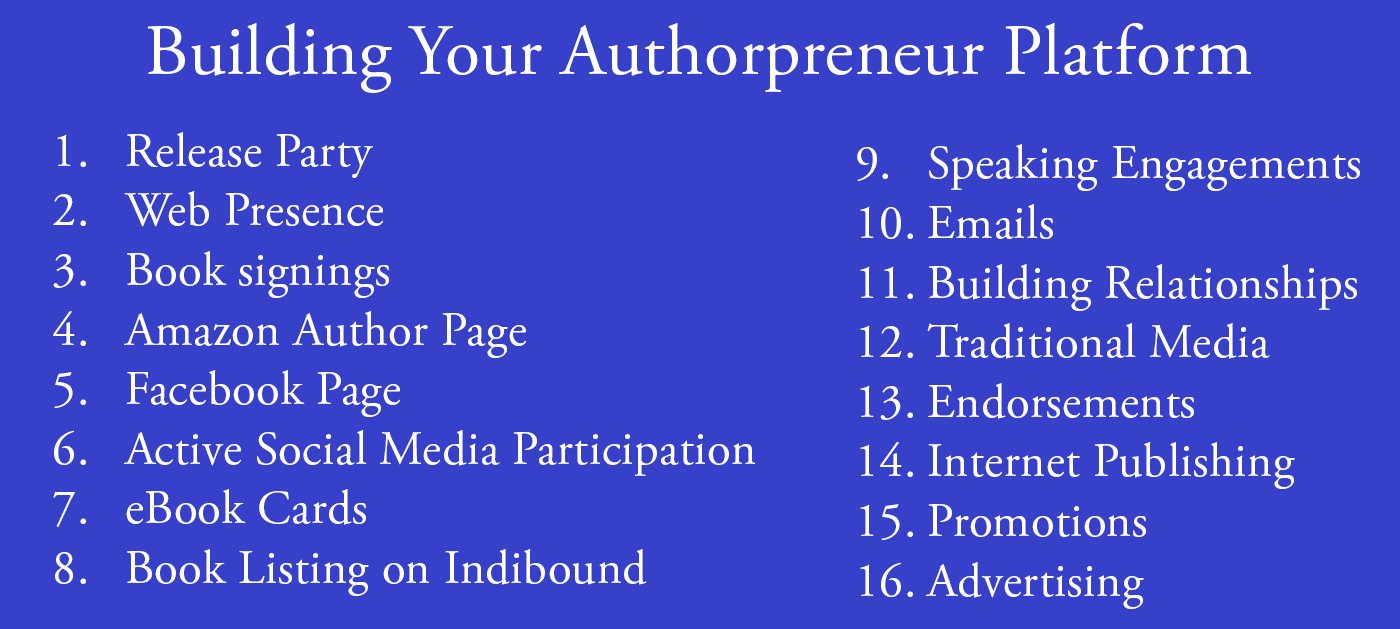

 Author Campaign Method (ACM) for Authorpreneurs
 This is Publication Consultants’ motivation for constantly striving to assist authors sell and market their books. Author Campaign Method (ACM) of sales and marketing is Publication Consultants’ plan to accomplish this so that our authors’ books have a reasonable opportunity for success. We know the difference between motion and direction. ACM is direction! ACM is the process for authorpreneurs who are serious about bringing their books to market. ACM is a boon for them.
 Release Party
 Web Presence
 Book Signings
 Amazon Author Page
 Facebook Profile and Facebook Page
 Active Social Media Participation
 Ebook Cards
 The Great Alaska Book Fair: October 8, 2016


 Costco Book Signings
 eBook Cards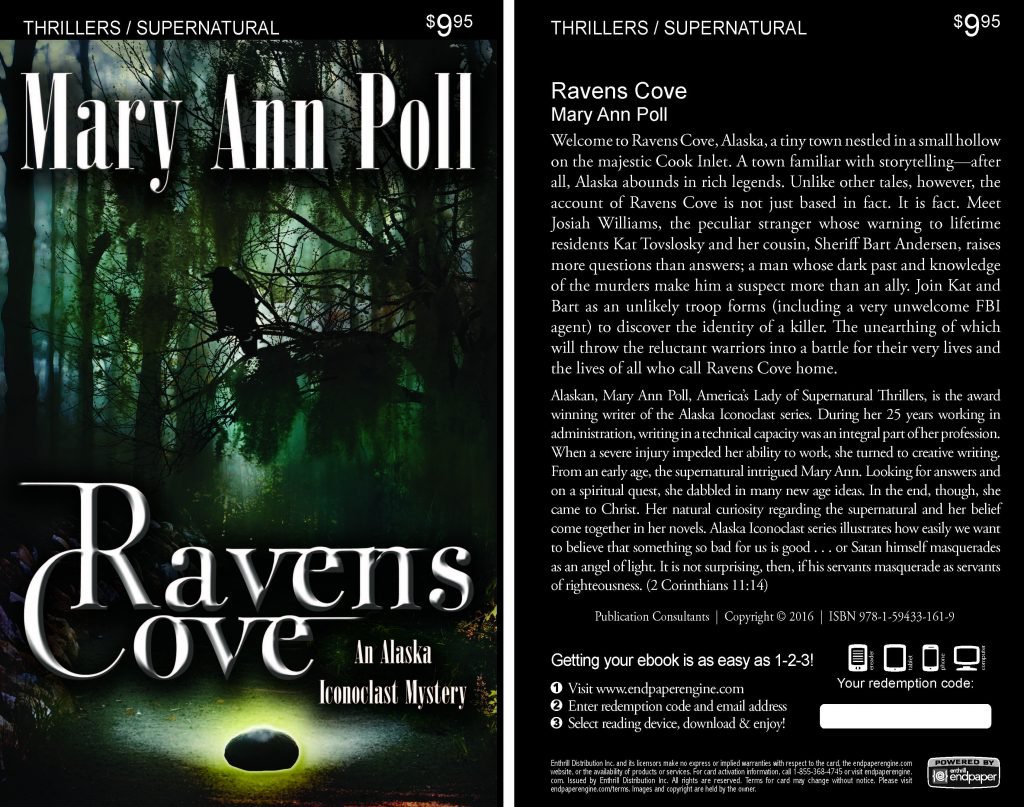

 Benjamin Franklin Award
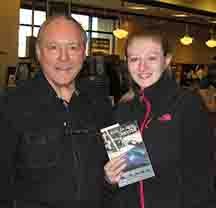 Jim Misko Book Signing at Barnes and Noble
 Cortex is for serious authors and will probably not be of interest to hobbyists. We recorded our Cortex training and information meeting. If you’re a serious author, and did not attend the meeting, and would like to review the training information, kindly let us know. Authors are required to have a Facebook author page to use Cortex.
 Correction:
 We take the quote by Marcella Smith, Small Press Business Manager, Barnes & Noble seriously: “The author is essential to the success of the book, giving energy behind the book to make it something that a customer will come in and ask for. That is what makes the difference in a book that sells, that develops legs, and has a life of its own. Otherwise the book goes on the shelf and stays there for three months. Then it gets returned.”
 This is Publication Consultants’ motivation for constantly striving to assist authors sell and market their books. ACM is Publication Consultants’ plan to accomplish this so that our authors’ books have a reasonable opportunity for success. We know the difference between motion and direction. ACM is direction! ACM is the process for authors who are serious about bringing their books to market. ACM is a boon for serious authors, but a burden for hobbyist. We don’t recommend ACM for hobbyists.

 We’re the only publisher we know of that provides authors with book signing opportunities. Book signing are appropriate for hobbyist and essential for serious authors. To schedule a book signing kindly go to our website, <
 An Author Page on Amazon Author Central is a serious author ACM requirement and desirable for the hobbyist. Author Central is a free resource designed to help authors become more active participants in the promotion of their books. In Author Central you can manage an Author Page, update information about your books, and view Customer Reviews and sales information for your bibliography. If you don’t already have an Author Page on
  We hear authors complain about all the personal stuff on Facebook. Most of these complaints are because the author doesn’t understand the difference difference between a Facebook profile and a Facebook page. Simply put, a profile is for personal things for friends and family; a page is for business. If your book is just a hobby, then it’s fine to have only a Facebook profile and make your posts for friends and family; however, if you’re serious about your writing, and it’s a business with you, or you want it to be business, then you need a Facebook page as an author. It’s simple to tell if it’s a page or a profile. A profile shows how many friends and a page shows how many likes. Here’s a link <> to a straight forward description on how to set up your author Facebook page.
 Active Social Media Participation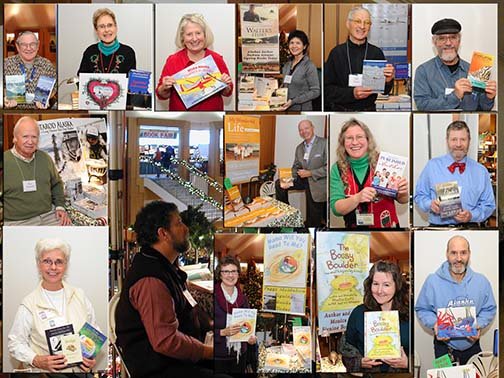


 Mosquito Books has a new location in the Anchorage international airport and is available for signings with 21 days notice. Jim Misko had a signing there yesterday. His signing report included these words, “Had the best day ever at the airport . . ..”


 The Lyin Kings: The Wannabe World Leaders
 Time and Tide


 ReadAlaska 2014
 Readerlink and Book Signings
 2014 Independent Publisher Book Awards Results
 Bonnye Matthews Radio Interview
 Rick Mystrom Radio Interview
 When he published those overseas blogs as the book The Innocents Abroad, it would become a hit. But you couldn’t find it in bookstores.
 More NetGalley
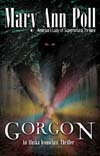 Mary Ann Poll


 Bumppo
 Computer Spell Checkers
 Seven Things I Learned From a Foreign Email
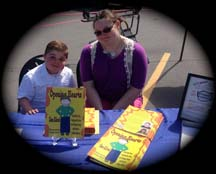 2014 Spirit of Youth Awards
 Book Signings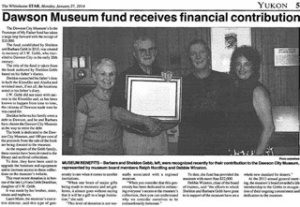

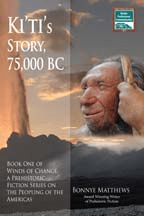
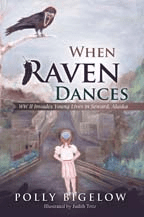 Blog Talk Radio
 Publication Consultants Blog
 Book Signings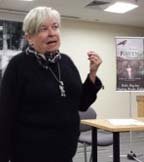

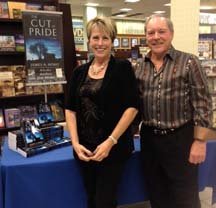

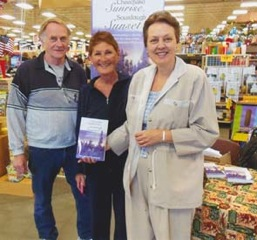 Don and Lanna Langdok
 Ron Walden
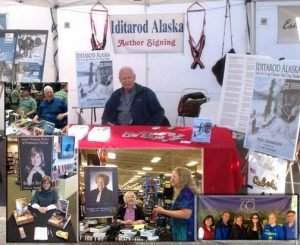 Book Signings Are Fun
 Release Party Video
 Erin’s book,
  Heather’s book,
  New Books