

 Paula Doress-Worters died on February 21, 2026, at the home of her daughter Hannah in Redwood City, California. She was eighty-seven years old.
Sixty years earlier, in 1966, Hannah was born. Paula loved her. Hannah was wanted, healthy, beautiful. And in the days and weeks after Hannah’s birth, Paula found herself painfully, inexplicably depressed.
“I felt terrible,” she recalled years later, “because she was a wanted child. She was lovely. But sometimes I just couldn’t get out of bed.”
The doctors had a name for what she was feeling. They called it the “baby blues.” They dismissed it. Paula knew it was something more—something real, something caused by hormonal changes and social isolation, something millions of women had experienced and never been able to talk about.
In the spring of 1969, Paula attended a workshop at Emmanuel College in Boston called “Women and the Control of Our Bodies.” The women in the room talked about childbirth, sexuality, abortion. They shared what they had learned—and what they had never been told. Paula found others who understood what she had been through.
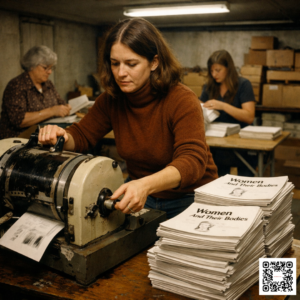
The women kept meeting. They researched. They wrote. In 1970, they mimeographed their findings and sold them on newsprint for seventy-five cents. The booklet was called Women and Their Bodies. It sold 250,000 copies without a single advertisement.
In 1973, Simon & Schuster published the first commercial edition under a new title: Our Bodies, Ourselves. Paula wrote about postpartum depression. She named what had gone unnamed. She gave language to what doctors had dismissed.
The book sold more than four million copies. It was translated into dozens of languages. It changed how women understood their own bodies—and how medicine understood women.
Paula Doress-Worters was buried on March 3, 2026, in Brookline, Massachusetts. Her fellow founders—Joan Ditzion, Miriam Hawley, Judy Norsigian, Jane Pincus, Wendy Sanford—survive her.
Adrienne Rich understood what Paula Doress-Worters did. Rich was an American poet and essayist who spent her career writing about women’s lives—the truths they carried, the silences they were forced to keep.
In On Lies, Secrets, and Silence, Rich wrote:
“Whatever is unnamed, undepicted in images, whatever is omitted from biography, censored in collections of letters, whatever is misnamed as something else, made difficult-to-come-by, whatever is buried in the memory by the collapse of meaning under an inadequate or lying language—this will become, not merely unspoken, but unspeakable.”
Unspeakable.
Before Paula Doress-Worters wrote about postpartum depression, it was unspeakable. Women suffered alone. Doctors waved it away. Families did not understand. The experience existed, but there were no words for it—no names, no recognition, no path toward help.
Rich also wrote: “When a woman tells the truth she is creating the possibility for more truth around her.”
Paula told the truth. And the truth spread.
This is what writers do. They name what has no name. They give language to experiences buried in silence. They make the unspeakable, speakable.
The Power of Authors calls writers to this work. Not only the dramatic truths—the wars, the revolutions, the great upheavals—but the quiet ones. The ones dismissed as trivial. The ones suffered alone in bedrooms and kitchens while the world looks away.
Somewhere right now, someone is experiencing something real, something that matters, something that has no name yet. Someone is being told it is nothing. Someone is being told to get over it.
A writer could change that. A writer could give it words. A writer could make it possible for the next person to say: This happened to me, too.
Paula Doress-Worters could not get out of bed. Sixty years later, because she wrote it down, millions of women know they are not alone.
The Power of Authors by Evan and Lois Swensen explores what it means to write with purpose — and why the writer who speaks to one reader with conviction reaches further than the writer who speaks to everyone with caution.
The book is available on Amazon: http://bit.ly/3K6o8AM. If you’d like an autographed copy, you can order it here: http://bit.ly/4pgmzjM.


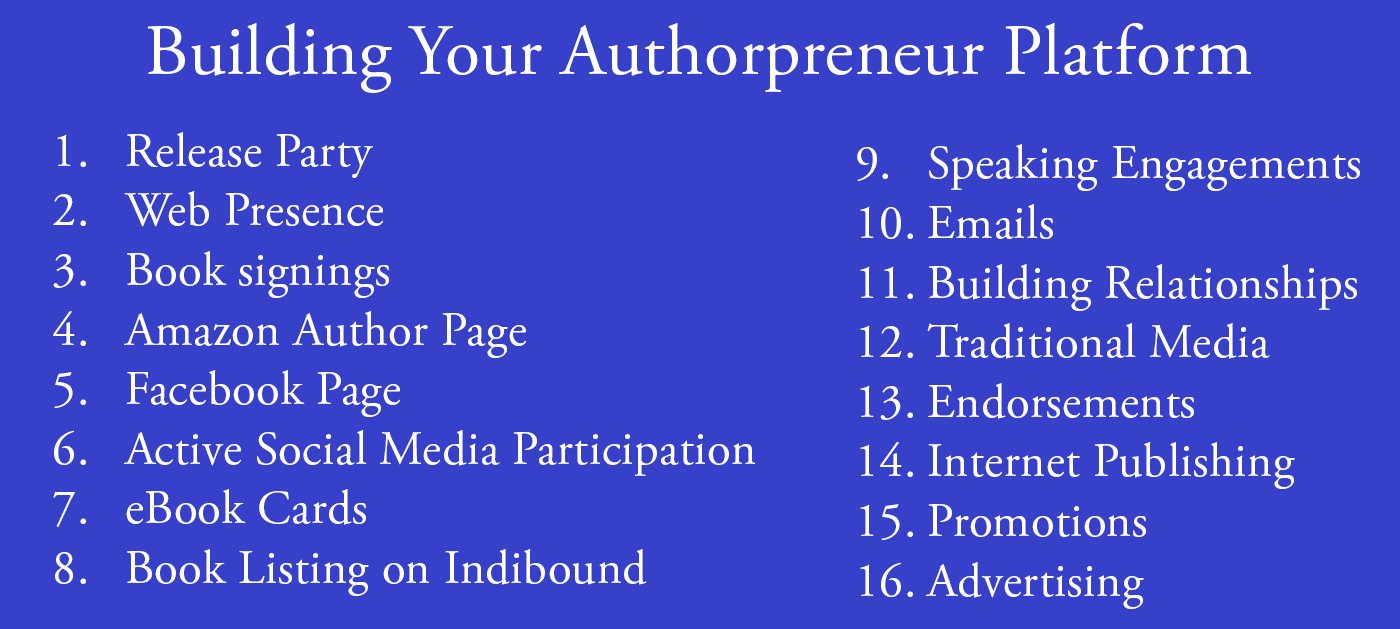

 Author Campaign Method (ACM) for Authorpreneurs
 This is Publication Consultants’ motivation for constantly striving to assist authors sell and market their books. Author Campaign Method (ACM) of sales and marketing is Publication Consultants’ plan to accomplish this so that our authors’ books have a reasonable opportunity for success. We know the difference between motion and direction. ACM is direction! ACM is the process for authorpreneurs who are serious about bringing their books to market. ACM is a boon for them.
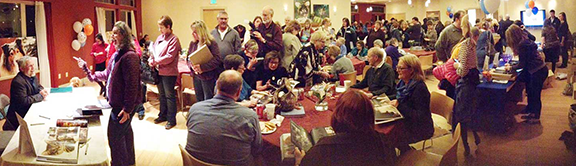 Release Party
 Web Presence
 Book Signings
 Amazon Author Page
 Facebook Profile and Facebook Page
 Active Social Media Participation
 Ebook Cards
 The Great Alaska Book Fair: October 8, 2016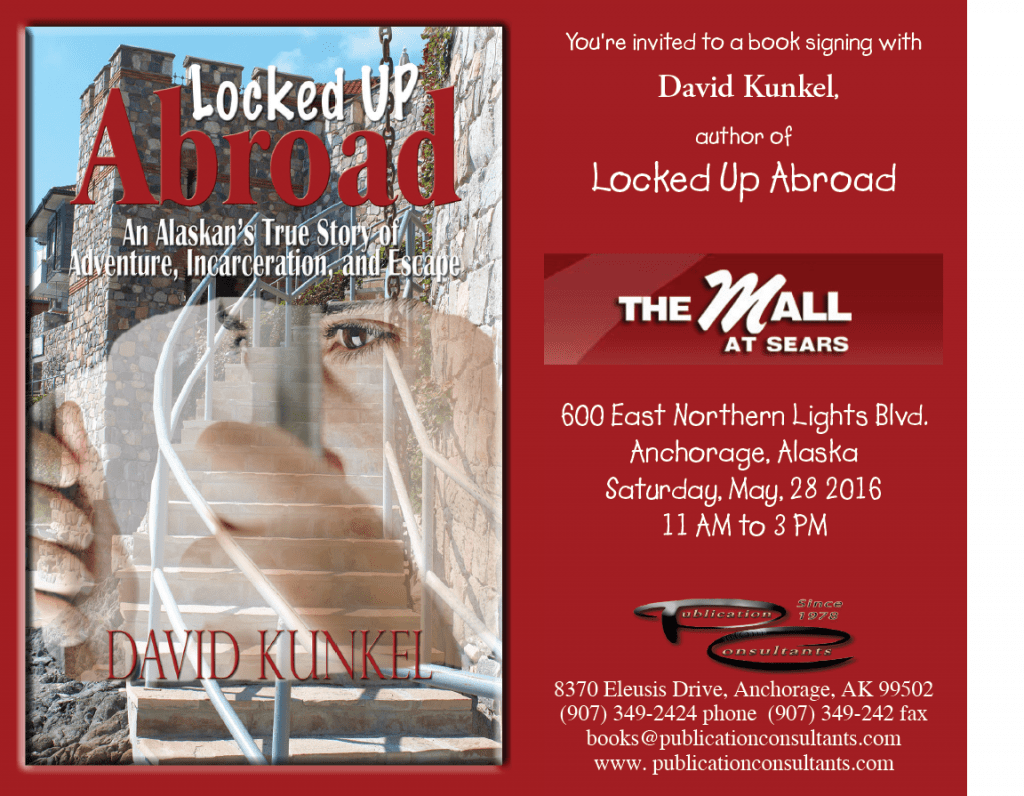

 Costco Book Signings
 eBook Cards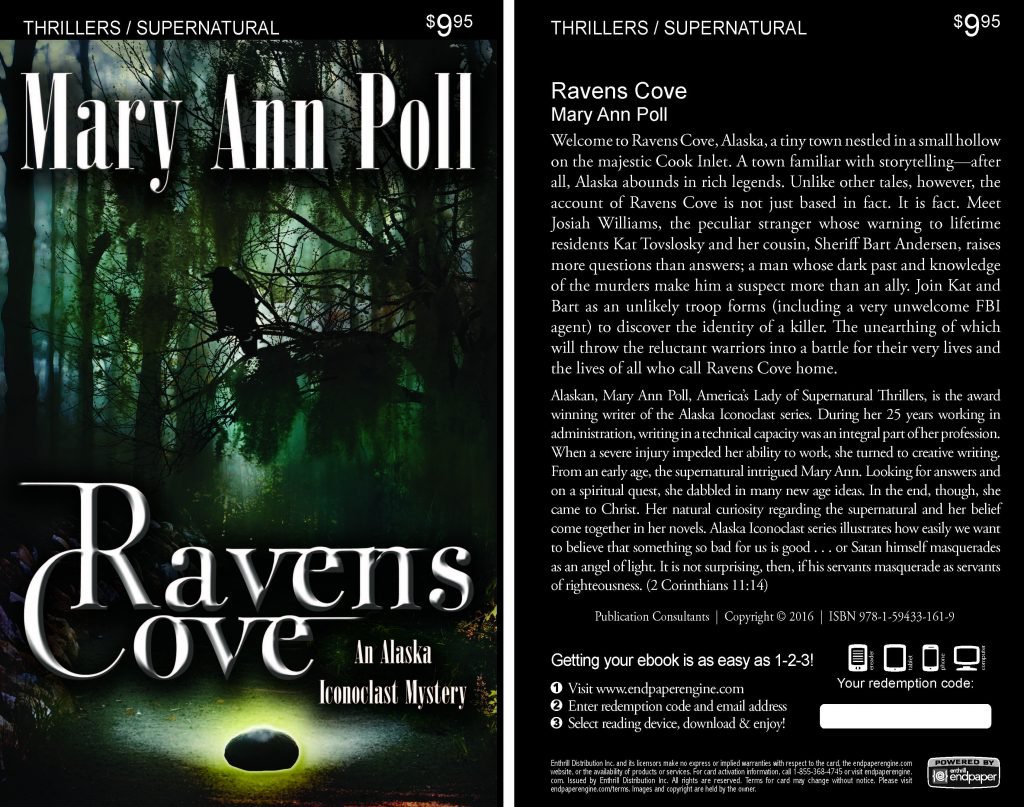

 Benjamin Franklin Award
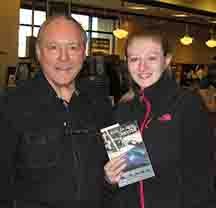 Jim Misko Book Signing at Barnes and Noble
 Cortex is for serious authors and will probably not be of interest to hobbyists. We recorded our Cortex training and information meeting. If you’re a serious author, and did not attend the meeting, and would like to review the training information, kindly let us know. Authors are required to have a Facebook author page to use Cortex.
 Correction:
 We take the quote by Marcella Smith, Small Press Business Manager, Barnes & Noble seriously: “The author is essential to the success of the book, giving energy behind the book to make it something that a customer will come in and ask for. That is what makes the difference in a book that sells, that develops legs, and has a life of its own. Otherwise the book goes on the shelf and stays there for three months. Then it gets returned.”
 This is Publication Consultants’ motivation for constantly striving to assist authors sell and market their books. ACM is Publication Consultants’ plan to accomplish this so that our authors’ books have a reasonable opportunity for success. We know the difference between motion and direction. ACM is direction! ACM is the process for authors who are serious about bringing their books to market. ACM is a boon for serious authors, but a burden for hobbyist. We don’t recommend ACM for hobbyists.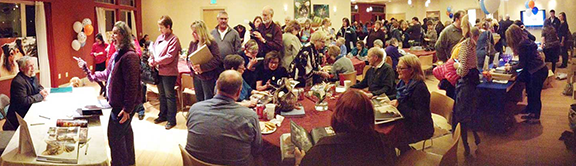

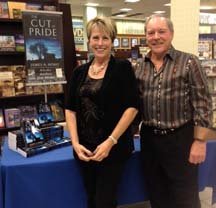
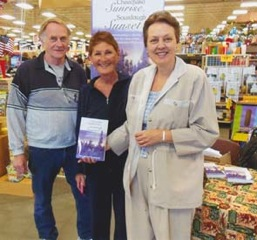
 We’re the only publisher we know of that provides authors with book signing opportunities. Book signing are appropriate for hobbyist and essential for serious authors. To schedule a book signing kindly go to our website, <
 An Author Page on Amazon Author Central is a serious author ACM requirement and desirable for the hobbyist. Author Central is a free resource designed to help authors become more active participants in the promotion of their books. In Author Central you can manage an Author Page, update information about your books, and view Customer Reviews and sales information for your bibliography. If you don’t already have an Author Page on
  We hear authors complain about all the personal stuff on Facebook. Most of these complaints are because the author doesn’t understand the difference difference between a Facebook profile and a Facebook page. Simply put, a profile is for personal things for friends and family; a page is for business. If your book is just a hobby, then it’s fine to have only a Facebook profile and make your posts for friends and family; however, if you’re serious about your writing, and it’s a business with you, or you want it to be business, then you need a Facebook page as an author. It’s simple to tell if it’s a page or a profile. A profile shows how many friends and a page shows how many likes. Here’s a link <> to a straight forward description on how to set up your author Facebook page.
 Active Social Media Participation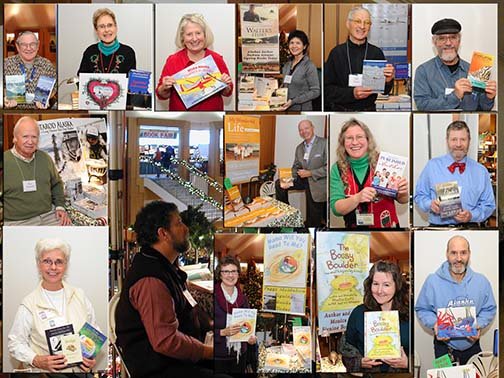


 Mosquito Books has a new location in the Anchorage international airport and is available for signings with 21 days notice. Jim Misko had a signing there yesterday. His signing report included these words, “Had the best day ever at the airport . . ..”


 The Lyin Kings: The Wannabe World Leaders
 Time and Tide


 ReadAlaska 2014
 Readerlink and Book Signings
 2014 Independent Publisher Book Awards Results
 Bonnye Matthews Radio Interview
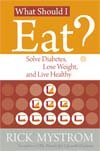 Rick Mystrom Radio Interview
 When he published those overseas blogs as the book The Innocents Abroad, it would become a hit. But you couldn’t find it in bookstores.
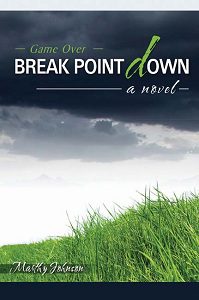 More NetGalley
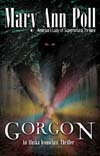 Mary Ann Poll


 Bumppo
 Computer Spell Checkers
 Seven Things I Learned From a Foreign Email
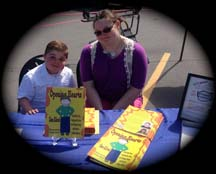 2014 Spirit of Youth Awards
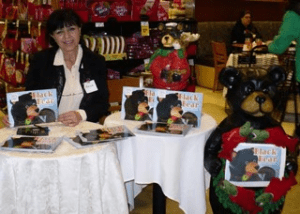
 Book Signings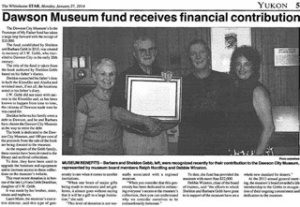
 Blog Talk Radio
 Publication Consultants Blog
 Book Signings


 Don and Lanna Langdok
 Ron Walden
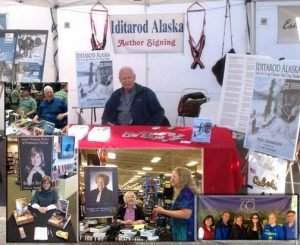 Book Signings Are Fun
 Release Party Video
 Erin’s book,
  Heather’s book,
  New Books