

The House That Does Not Collapse
By: Pastor David Chen, Cedar Valley Community Church
From the fictional town of Cedar Valley, where characters from Quiet Echo continue to respond to real-world events.
 Pope John XXIII once offered a simple prescription for families entering a new year: “A concern to help, forgive, sympathize, and grant others the trust that we would like to be granted ourselves. This is how a house that does not collapse is built.”
Help. Forgive. Sympathize. Trust. Four verbs. Four actions. Four ways of writing a story worth reading.
I’ve been following the editorials in this paper all week, and a common thread has emerged—not by design, I suspect, but by the quiet movement of something deeper than editorial planning. Chloe wrote about stepping back from the noise of social media to be present with her daughter. Lars reflected on the thousands of words he writes each week and resolved to make them kinder. Chloe again, yesterday, reminded us that we have three hundred sixty-five blank pages ahead of us and asked what kind of story we want to tell.
The answer, I think, is found in those four verbs.
Help. Forgive. Sympathize. Trust.
A book has been making the rounds in Cedar Valley this week—The Power of Authors—and several of my parishioners have mentioned it. The central idea is that every person is an author, not because we all write books, but because we all write stories with our lives. Every choice is a sentence. Every day is a paragraph. Every year is a chapter.
What struck me, reading these editorials, is how naturally this idea aligns with Scripture. James tells us that faith without works is dead. Jesus says we will be known by our fruit. Paul urges us to walk in a manner worthy of our calling. The Bible has always understood that belief is not merely what we think—it’s what we do. It’s the story we write with our hands and feet and voices.
And the story God invites us to write is remarkably consistent across traditions, across centuries, across cultures: Help the weak. Forgive the fallen. Sympathize with the suffering. Trust those who are trying.
This is how a house that does not collapse is built.
I officiated a funeral last week—a woman who had lived ninety-three years in this valley. Her family didn’t talk about her accomplishments or her possessions. They talked about her kitchen table. How it was always set for one more. How she never let anyone leave hungry. How she listened without interrupting and forgave without keeping score.
That was her story. That was the house she built. And it did not collapse when the storms came.
The new year invites us to consider what kind of house we’re building. Not the house of our ambitions or our resumes or our social media profiles—but the house of our relationships. The house of our family. The house of our community.
Are we helping? Or are we too busy?
Are we forgiving? Or are we keeping accounts?
Are we sympathizing? Or are we judging from a distance?
Are we trusting? Or are we assuming the worst?
Chloe wrote yesterday that she wants to write words worth reading—true words, kind words, words that build instead of tear down. Lars resolved to make his emails and letters and notes reflect the faith he professes. These are not grand resolutions. They are not headline-worthy transformations.
But they are exactly the kind of choices that build houses that do not collapse.
The Scriptures tell us that the wise man builds his house on rock, and when the rains fall and the floods come and the winds beat against it, it stands. The foolish man builds on sand, and when the storms come, great is its fall.
The rock is not cleverness. The rock is not wealth. The rock is not influence or popularity or being right.
The rock is love. Patient, kind, not envious or boastful. Not proud or rude or self-seeking. Not easily angered. Keeping no record of wrongs. Always protecting, always trusting, always hoping, always persevering.
That is the foundation. That is the story God invites us to write.
As we step into 2026, may we build houses that do not collapse. May we write stories worth reading. May we help, forgive, sympathize, and trust—not because it’s easy, but because it’s the life we were made for.
The blank pages are waiting.
Let’s write something that lasts.
This editorial is part of the fictional Cedar Valley News series. While the people and town are fictional, the national events they reflect on are real.
Want to know the full story behind Cedar Valley? Teresa, Caleb, Dan, and the community you’ve come to know in these editorials first came together in Quiet Echo: When Loud Voices Divide, Quiet Ones Bring Together. Discover how a small town found its way from fear to fellowship—one quiet act of courage at a time. Available on Amazon: https://bit.ly/3ME4nSs
It’s free, live, and fresh! Quiet Echo—A Cedar Valley News Podcast is live on Apple Podcasts: https://bit.ly/4nV8XsE, Spotify: https://bit.ly/4hdNHfX, YouTube: https://bit.ly/48Zfu1g , and Podcastle: https://bit.ly/4pYRstE. Every day, you can hear Cedar Valley’s editorials read aloud by the voices you’ve come to know—warm, steady, and rooted in the values we share. Step into the rhythm of our town, one short reflection at a time. Wherever you listen, you’ll feel right at home. Presented by the Publication Consultants: https://publicationconsultants.com/



 Author Campaign Method (ACM) for Authorpreneurs
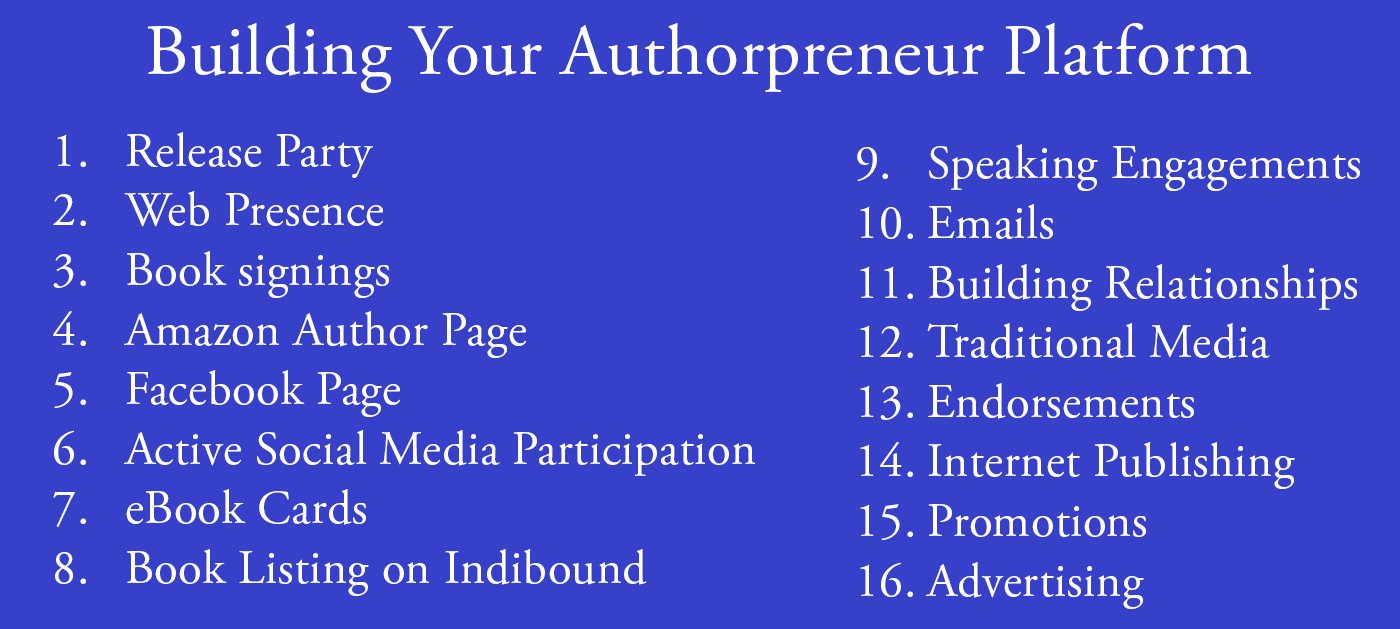
 This is Publication Consultants’ motivation for constantly striving to assist authors sell and market their books. Author Campaign Method (ACM) of sales and marketing is Publication Consultants’ plan to accomplish this so that our authors’ books have a reasonable opportunity for success. We know the difference between motion and direction. ACM is direction! ACM is the process for authorpreneurs who are serious about bringing their books to market. ACM is a boon for them.
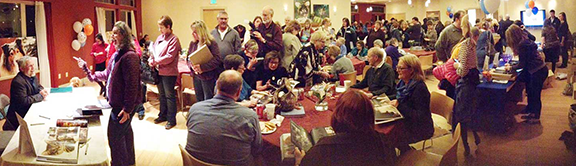 Release Party
 Web Presence
 Book Signings
 Amazon Author Page
 Facebook Profile and Facebook Page
 Active Social Media Participation
 Ebook Cards
 The Great Alaska Book Fair: October 8, 2016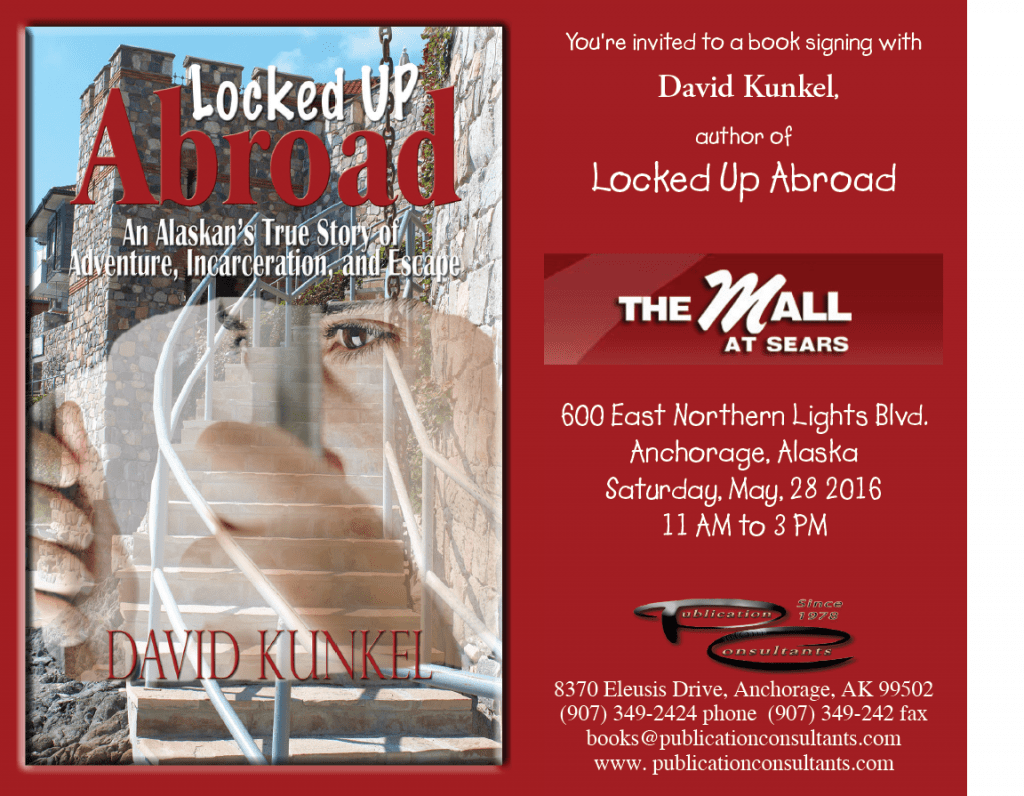

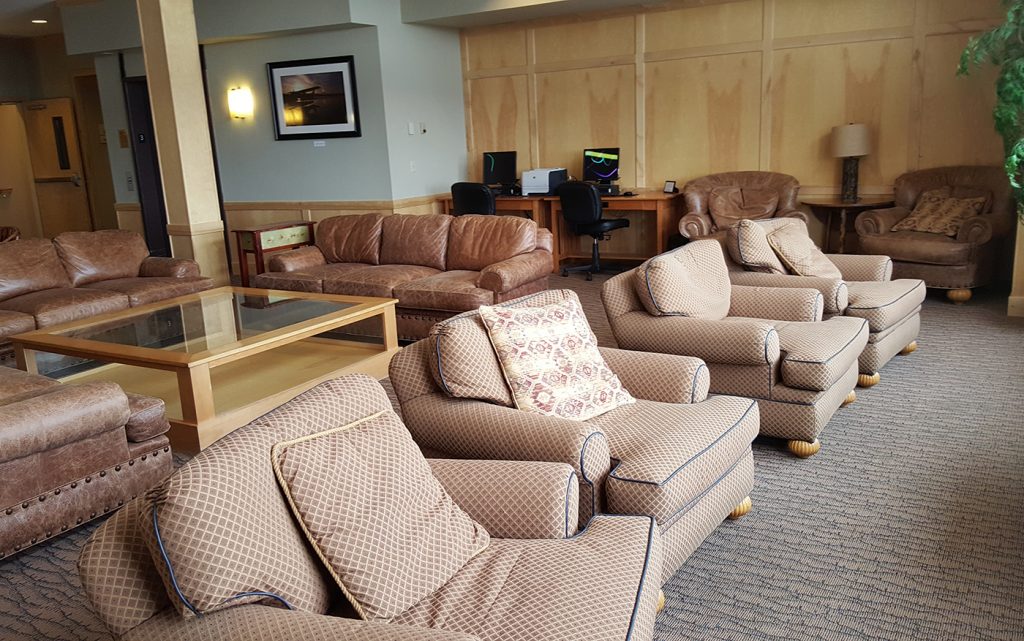
 Costco Book Signings
 eBook Cards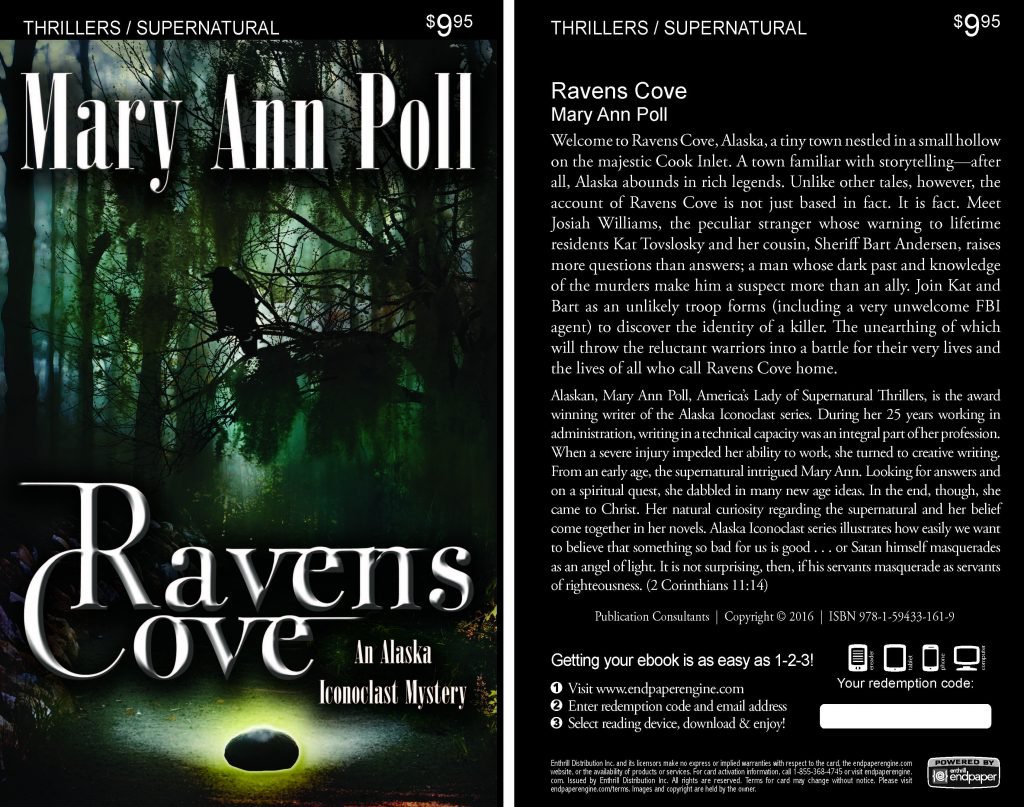

 Benjamin Franklin Award
 Jim Misko Book Signing at Barnes and Noble
 Cortex is for serious authors and will probably not be of interest to hobbyists. We recorded our Cortex training and information meeting. If you’re a serious author, and did not attend the meeting, and would like to review the training information, kindly let us know. Authors are required to have a Facebook author page to use Cortex.
 Correction:
 We take the quote by Marcella Smith, Small Press Business Manager, Barnes & Noble seriously: “The author is essential to the success of the book, giving energy behind the book to make it something that a customer will come in and ask for. That is what makes the difference in a book that sells, that develops legs, and has a life of its own. Otherwise the book goes on the shelf and stays there for three months. Then it gets returned.”
 This is Publication Consultants’ motivation for constantly striving to assist authors sell and market their books. ACM is Publication Consultants’ plan to accomplish this so that our authors’ books have a reasonable opportunity for success. We know the difference between motion and direction. ACM is direction! ACM is the process for authors who are serious about bringing their books to market. ACM is a boon for serious authors, but a burden for hobbyist. We don’t recommend ACM for hobbyists.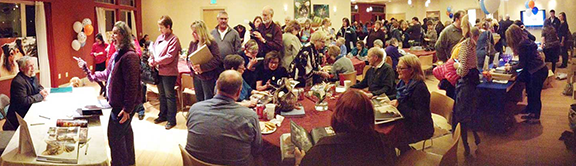

 We’re the only publisher we know of that provides authors with book signing opportunities. Book signing are appropriate for hobbyist and essential for serious authors. To schedule a book signing kindly go to our website, <
 An Author Page on Amazon Author Central is a serious author ACM requirement and desirable for the hobbyist. Author Central is a free resource designed to help authors become more active participants in the promotion of their books. In Author Central you can manage an Author Page, update information about your books, and view Customer Reviews and sales information for your bibliography. If you don’t already have an Author Page on
  We hear authors complain about all the personal stuff on Facebook. Most of these complaints are because the author doesn’t understand the difference difference between a Facebook profile and a Facebook page. Simply put, a profile is for personal things for friends and family; a page is for business. If your book is just a hobby, then it’s fine to have only a Facebook profile and make your posts for friends and family; however, if you’re serious about your writing, and it’s a business with you, or you want it to be business, then you need a Facebook page as an author. It’s simple to tell if it’s a page or a profile. A profile shows how many friends and a page shows how many likes. Here’s a link <> to a straight forward description on how to set up your author Facebook page.
 Active Social Media Participation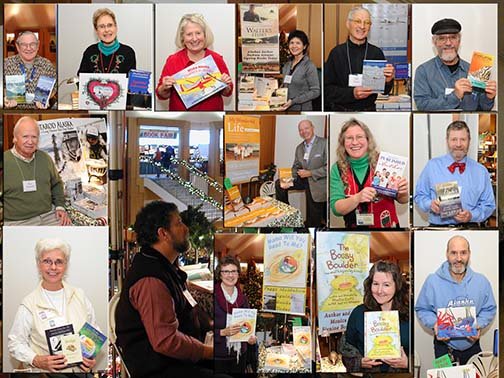


 Mosquito Books has a new location in the Anchorage international airport and is available for signings with 21 days notice. Jim Misko had a signing there yesterday. His signing report included these words, “Had the best day ever at the airport . . ..”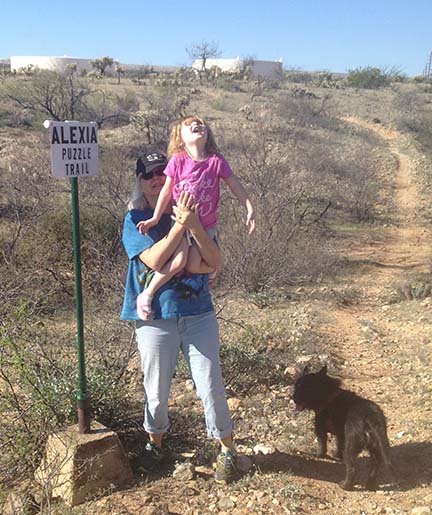


 The Lyin Kings: The Wannabe World Leaders
 Time and Tide


 ReadAlaska 2014
 Readerlink and Book Signings
 2014 Independent Publisher Book Awards Results
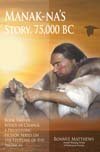
 Bonnye Matthews Radio Interview
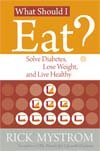 Rick Mystrom Radio Interview
 When he published those overseas blogs as the book The Innocents Abroad, it would become a hit. But you couldn’t find it in bookstores.
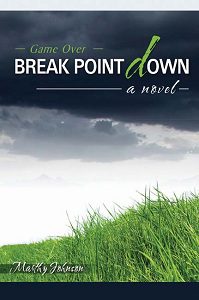 More NetGalley
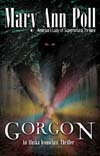 Mary Ann Poll


 Bumppo
 Computer Spell Checkers
 Seven Things I Learned From a Foreign Email
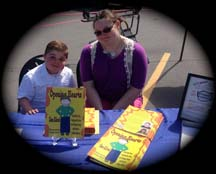 2014 Spirit of Youth Awards
 Book Signings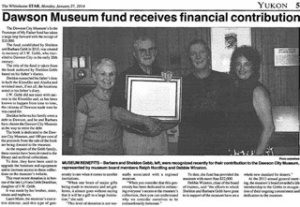

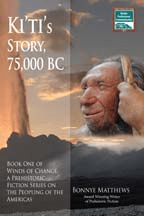
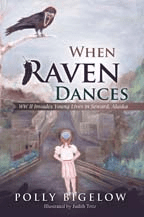 Blog Talk Radio
 Publication Consultants Blog
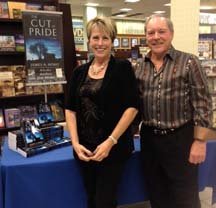
 Book Signings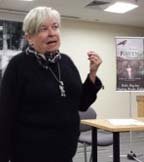


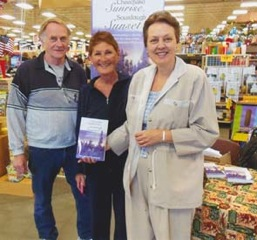 Don and Lanna Langdok
 Ron Walden
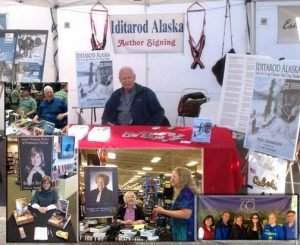 Book Signings Are Fun
 Release Party Video
 Erin’s book,
  Heather’s book,
  New Books