


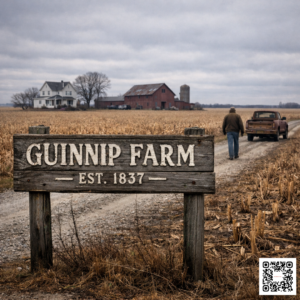
 The sign at the front of the farm says 1837.
That was the year Joseph Guinnip left Steuben County, New York, crossed the Erie Canal to Sandusky, Ohio, floated down the Wabash River to Lafayette, Indiana, and finally settled forty acres of land in southeastern Illinois. He built a log cabin. He cleared timber. He raised a family.
Nearly two hundred years later, the land still belongs to a Guinnip. Don Guinnip, seventy-four years old, wakes early each morning to tend roughly one thousand acres of corn and soybeans and forty head of cattle. The road that runs past the farm is called Guinnip Road. The house where Don lives is the one his grandfather built more than a century ago.
He may be the last.
The Wall Street Journal told his story this week. Don Guinnip has survived prostate cancer. Both of his hips have been replaced with titanium. Four decades of grueling work have worn him down. He estimates he can keep up the current workload for a couple more years.
His son and daughter left for college. They work in corporate fields now. His four siblings made the same decision years earlier. There is no one to take over.
“It’s disappointing to me,” Guinnip said, holding back tears. “That’s the way the dice were rolled, and you have to accept what life gives you.”
He still drives a truck from the 1990s. The power steering recently failed. He uses aging equipment rather than buying new machinery. “Why would I buy new equipment,” he asks, “if I have no one to pass it along to?”
The family gathered recently to discuss what happens next. They debated options: dividing the land among grandchildren, reorganizing the farm into an LLC, leasing it to another farmer. After two hours, no decision was made.
“I’m healthy, I like doing what I’m doing,” he said. “But I’m not going to live forever.”
Willa Cather understood farmers like Don Guinnip. She grew up among them on the Nebraska prairie, and she spent her career writing about their lives—their struggles, their stubbornness, their love for land that did not always love them back.
In O Pioneers!, published in 1913, Cather gave voice to what every farmer knows, but few say aloud:
“The land belongs to the future, Carl; that’s the way it seems to me. How many of the names on the county clerk’s plat will be there in fifty years? I might as well try to will the sunset over there to my brother’s children. We come and go, but the land is always here. And the people who love it and understand it are the people who own it—for a little while.”
For a little while.
The Guinnips have owned their land for a little while—longer than most. Joseph Guinnip’s son fought in the Civil War. Another ancestor survived a buzz-saw accident in 1910 that nearly took his arm. Don’s father, Robert, and mother, Rose, raised their children on the same ground. The land has passed through every generation since 1837.
But Cather knew that even the longest continuities end. The question is not whether they end, but whether anyone remembers them.
According to the U.S. Department of Agriculture, there are now more farmers aged seventy-five and older than those under thirty-five. In 2025, 315 farms filed for bankruptcy—a 46 percent increase from the year before. Family agriculture, says the National Farmers Union, is in crisis.
Don Guinnip is one story. There are thousands like him across the country. Farmers whose children left for cities. Farmers whose land will be sold to corporations or divided among heirs who have never driven a tractor. Farmers who carry the memory of five generations and wonder who will carry it after them.
Someone should write these stories. Not the policy reports—those already exist. The human stories. The ones that begin with a sign that says 1837 and end with a man holding back tears in a farmhouse full of black-and-white photographs.
The Power of Authors calls writers to this work: Find the farmers who are running out of time. Sit with them. Ask what their grandfathers planted, what their children chose instead, what they hope someone will remember.
We come and go. The land is always here. But the stories disappear unless someone writes them down.
The sign says 1837. Someone should tell what it means before no one is left who knows.
The book is available on Amazon: http://bit.ly/3K6o8AM. If you’d like an autographed copy, you can order it here: http://bit.ly/4pgmzjM.


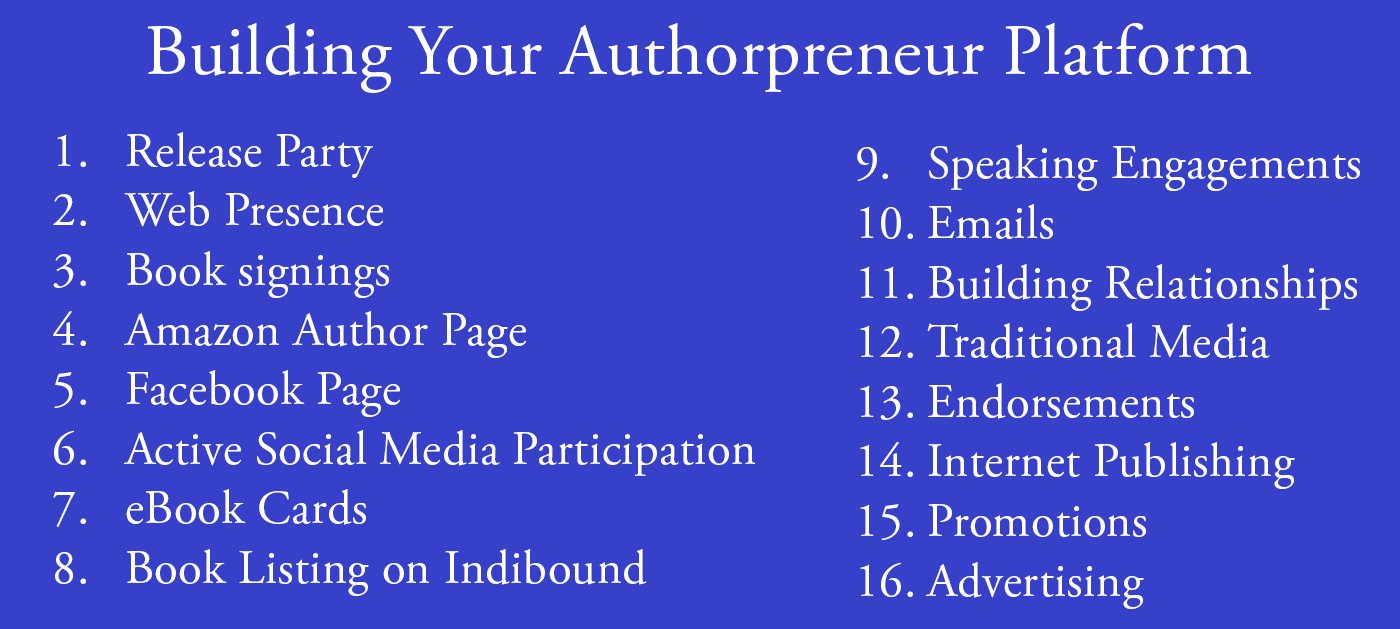

 Author Campaign Method (ACM) for Authorpreneurs
 This is Publication Consultants’ motivation for constantly striving to assist authors sell and market their books. Author Campaign Method (ACM) of sales and marketing is Publication Consultants’ plan to accomplish this so that our authors’ books have a reasonable opportunity for success. We know the difference between motion and direction. ACM is direction! ACM is the process for authorpreneurs who are serious about bringing their books to market. ACM is a boon for them.
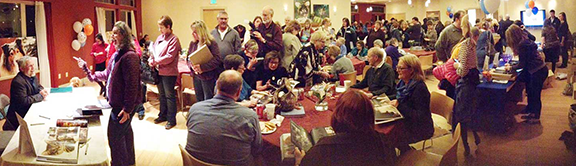 Release Party
 Web Presence
 Book Signings
 Amazon Author Page
 Facebook Profile and Facebook Page
 Active Social Media Participation
 Ebook Cards
 The Great Alaska Book Fair: October 8, 2016

 Costco Book Signings
 eBook Cards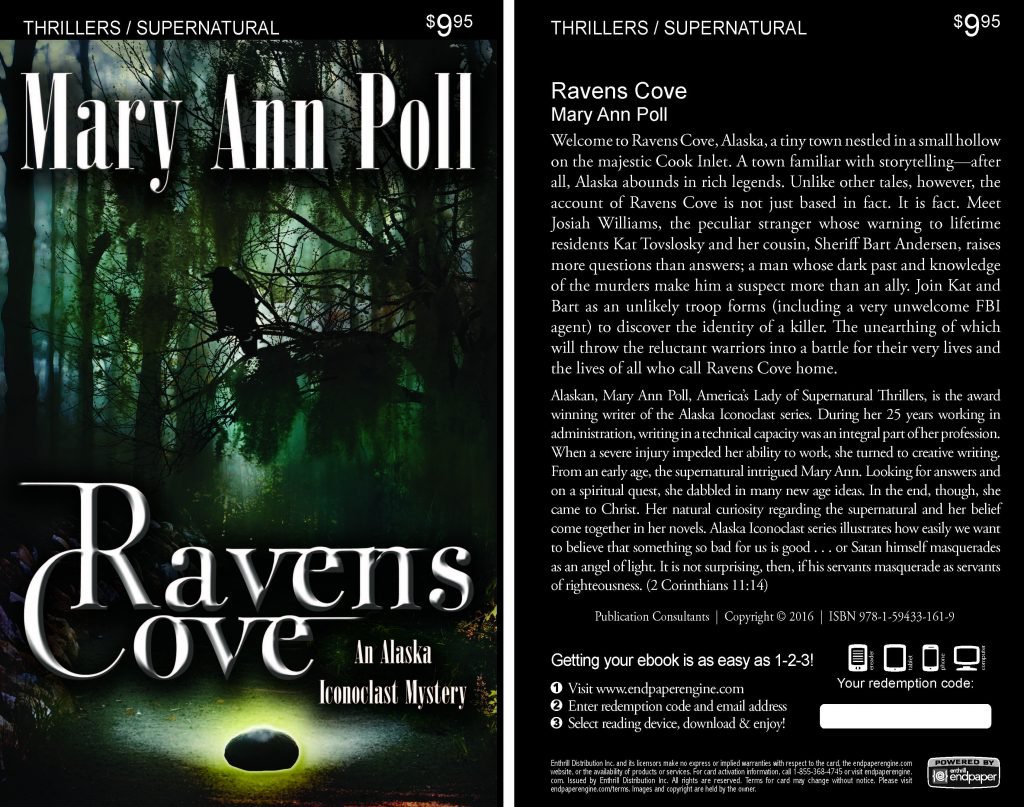

 Benjamin Franklin Award
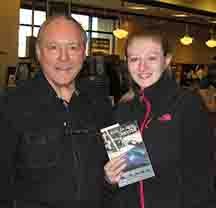 Jim Misko Book Signing at Barnes and Noble
 Cortex is for serious authors and will probably not be of interest to hobbyists. We recorded our Cortex training and information meeting. If you’re a serious author, and did not attend the meeting, and would like to review the training information, kindly let us know. Authors are required to have a Facebook author page to use Cortex.
 Correction:
 We take the quote by Marcella Smith, Small Press Business Manager, Barnes & Noble seriously: “The author is essential to the success of the book, giving energy behind the book to make it something that a customer will come in and ask for. That is what makes the difference in a book that sells, that develops legs, and has a life of its own. Otherwise the book goes on the shelf and stays there for three months. Then it gets returned.”
 This is Publication Consultants’ motivation for constantly striving to assist authors sell and market their books. ACM is Publication Consultants’ plan to accomplish this so that our authors’ books have a reasonable opportunity for success. We know the difference between motion and direction. ACM is direction! ACM is the process for authors who are serious about bringing their books to market. ACM is a boon for serious authors, but a burden for hobbyist. We don’t recommend ACM for hobbyists.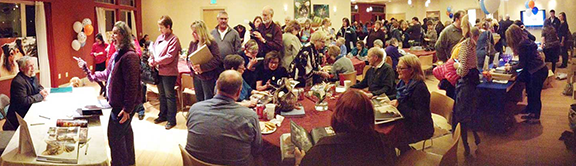

 We’re the only publisher we know of that provides authors with book signing opportunities. Book signing are appropriate for hobbyist and essential for serious authors. To schedule a book signing kindly go to our website, <
 An Author Page on Amazon Author Central is a serious author ACM requirement and desirable for the hobbyist. Author Central is a free resource designed to help authors become more active participants in the promotion of their books. In Author Central you can manage an Author Page, update information about your books, and view Customer Reviews and sales information for your bibliography. If you don’t already have an Author Page on
  We hear authors complain about all the personal stuff on Facebook. Most of these complaints are because the author doesn’t understand the difference difference between a Facebook profile and a Facebook page. Simply put, a profile is for personal things for friends and family; a page is for business. If your book is just a hobby, then it’s fine to have only a Facebook profile and make your posts for friends and family; however, if you’re serious about your writing, and it’s a business with you, or you want it to be business, then you need a Facebook page as an author. It’s simple to tell if it’s a page or a profile. A profile shows how many friends and a page shows how many likes. Here’s a link <> to a straight forward description on how to set up your author Facebook page.
 Active Social Media Participation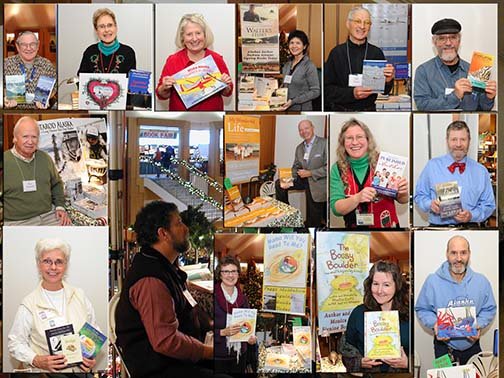


 Mosquito Books has a new location in the Anchorage international airport and is available for signings with 21 days notice. Jim Misko had a signing there yesterday. His signing report included these words, “Had the best day ever at the airport . . ..”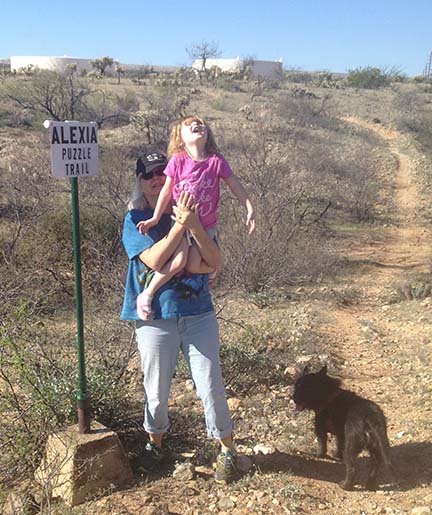


 The Lyin Kings: The Wannabe World Leaders
 Time and Tide


 ReadAlaska 2014
 Readerlink and Book Signings
 2014 Independent Publisher Book Awards Results
 Bonnye Matthews Radio Interview
 Rick Mystrom Radio Interview
 When he published those overseas blogs as the book The Innocents Abroad, it would become a hit. But you couldn’t find it in bookstores.
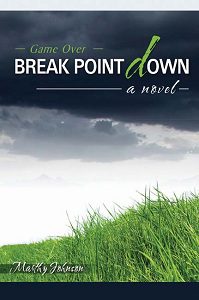 More NetGalley
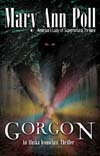 Mary Ann Poll


 Bumppo
 Computer Spell Checkers
 Seven Things I Learned From a Foreign Email
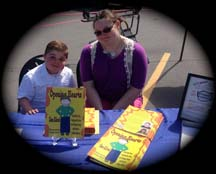 2014 Spirit of Youth Awards
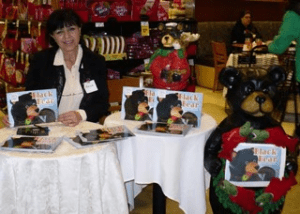
 Book Signings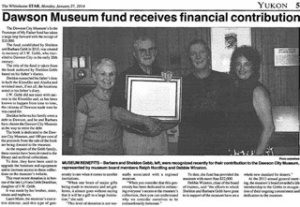
 Blog Talk Radio
 Publication Consultants Blog
 Book Signings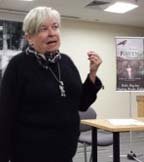

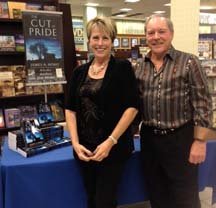

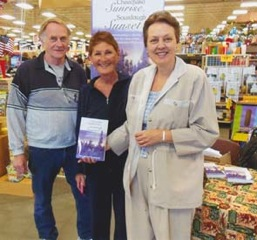 Don and Lanna Langdok
 Ron Walden
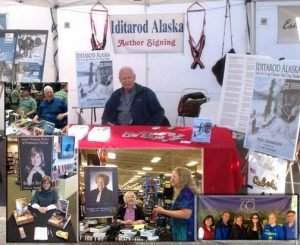 Book Signings Are Fun
 Release Party Video
 Erin’s book,
  Heather’s book,
  New Books