

Cedar Valley News — March 18, 2026
The Middleman You Never Met
By: Lars Olson
From the fictional town of Cedar Valley, where characters from Quiet Echo continue to respond to real-world events.
 I am 72 years old, and I do not take a single pill. My doctor says I am either lucky or stubborn, and Mildred says she knows which one. I walk to work. I eat what she cooks. I am not against medicine. I am simply watching the system from the outside, and what I see does not make sense.
Nearly 7,000 pharmacy locations have closed in the United States since 2019. An Ohio State University study reported this month nearly half the nation’s counties are now pharmacy deserts — no drugstore within 10 miles. In Howard, Kansas, pharmacist Julie Perkins says 80 percent of her prescriptions are reimbursed at less than cost. She fills them anyway because the town has no other pharmacy.
The question nobody on the nightly news is asking: Who sets the price she gets paid?
The answer is a pharmacy benefit manager. A PBM. Most Americans have never heard the term. I had not until last week. But three companies — CVS Caremark, Express Scripts, and OptumRx — control roughly 80 percent of the prescription drug benefits market for 270 million Americans. They are the middlemen between your insurance company and your pharmacist. They decide which drugs your plan covers. They decide which pharmacy you can use. They negotiate rebates from drug manufacturers. And they set what the pharmacist gets paid for handing you the bottle.
Here is where the math turns. Drug manufacturers pay PBMs a rebate — a percentage of the drug’s list price — in exchange for favorable placement on the approved list. The higher the list price, the larger the rebate, the more the PBM earns. The system does not reward lower prices. It rewards higher ones. The CEO of Novo Nordisk — the company behind Ozempic — told Congress PBMs are the reason he cannot lower his list price, because if he does, PBMs will drop the drug from their formularies.
PBMs also practice spread pricing. They negotiate a low price from the manufacturer, charge the insurance company a higher price, and keep the difference. The pharmacist never sees the spread. The patient never sees it. Until recently, the insurance company often did not know it existed.
Now here is the part I keep thinking about. CVS Caremark is owned by CVS Health, which also owns Aetna — the insurance company — and CVS Pharmacy — the drugstore. The same company decides what drugs are covered, sets the reimbursement rate for the independent pharmacist, and owns the competing pharmacy on the corner. Julie Perkins in Howard, Kansas, is negotiating her survival against her own competitor.
I sell hardware. I understand supply chains. If a distributor set the price I could charge, decided which products I was allowed to stock, took a cut from both my supplier and my customer, and opened a competing store across the street — I would call it something other than a benefit manager.
Senator Bernie Sanders called PBMs “as clear a middleman rip-off as you are going to find.” The Federal Trade Commission accused PBMs of raising prices through conflicts of interest. In February 2026 Congress passed reforms delinking PBM compensation in Medicare from drug prices. Six states have filed lawsuits. This is not partisan. The left and the right agree, the system is broken.
But here is what concerns me most from my side of the counter — the side where I do not take pills. This system makes more money when people take more drugs. Every prescription filled generates revenue. Every refill. Every new medication added to the list. The system does not profit when a doctor says walk more and eat less salt. It profits when the prescription is written, filled, and repeated.
Aisha Khalid would remind me this is not an argument against medicine. People need insulin. People need blood pressure medication. The pills are not the problem. The problem is the company standing between the pill and the person, taking a cut from both sides, and answering to neither.
Cedar Valley still has its pharmacy. The pharmacist knows your name. She knows what you take. She catches the interactions your doctor’s office misses. She is the last person in the system who looks you in the eye. And the middleman you never met is deciding whether she can afford to keep the lights on.
This editorial is part of the fictional Cedar Valley News series, written by Evan Swensen, Publisher, Publication Consultants, and Claude Marshall, AI Developmental Editor. While the people and town are fictional, the national events they reflect on are real.
The front porch is open. Readers of the Cedar Valley News are gathering on Facebook to respond to the editorials, share their own stories, and join a conversation built on respect, honesty, and no party lines. Come sit with us. https://bit.ly/40p8jKy


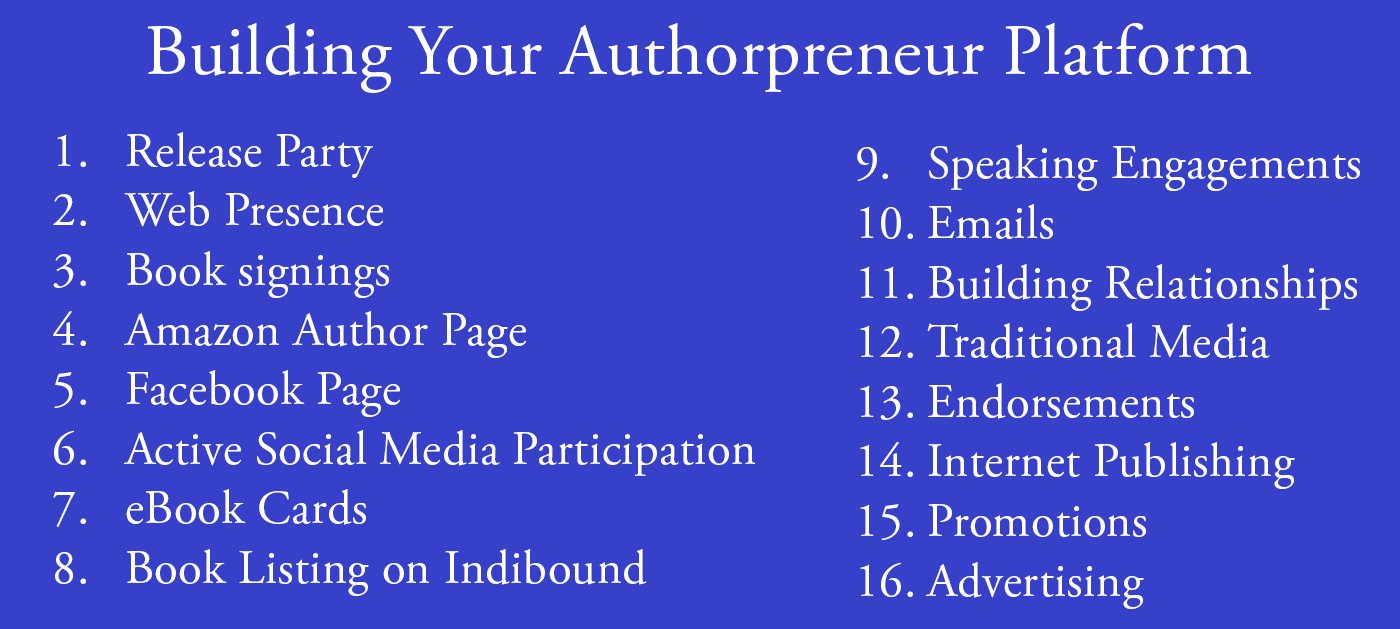

 Author Campaign Method (ACM) for Authorpreneurs
 This is Publication Consultants’ motivation for constantly striving to assist authors sell and market their books. Author Campaign Method (ACM) of sales and marketing is Publication Consultants’ plan to accomplish this so that our authors’ books have a reasonable opportunity for success. We know the difference between motion and direction. ACM is direction! ACM is the process for authorpreneurs who are serious about bringing their books to market. ACM is a boon for them.
 Release Party
 Web Presence
 Book Signings
 Amazon Author Page
 Facebook Profile and Facebook Page
 Active Social Media Participation
 Ebook Cards
 The Great Alaska Book Fair: October 8, 2016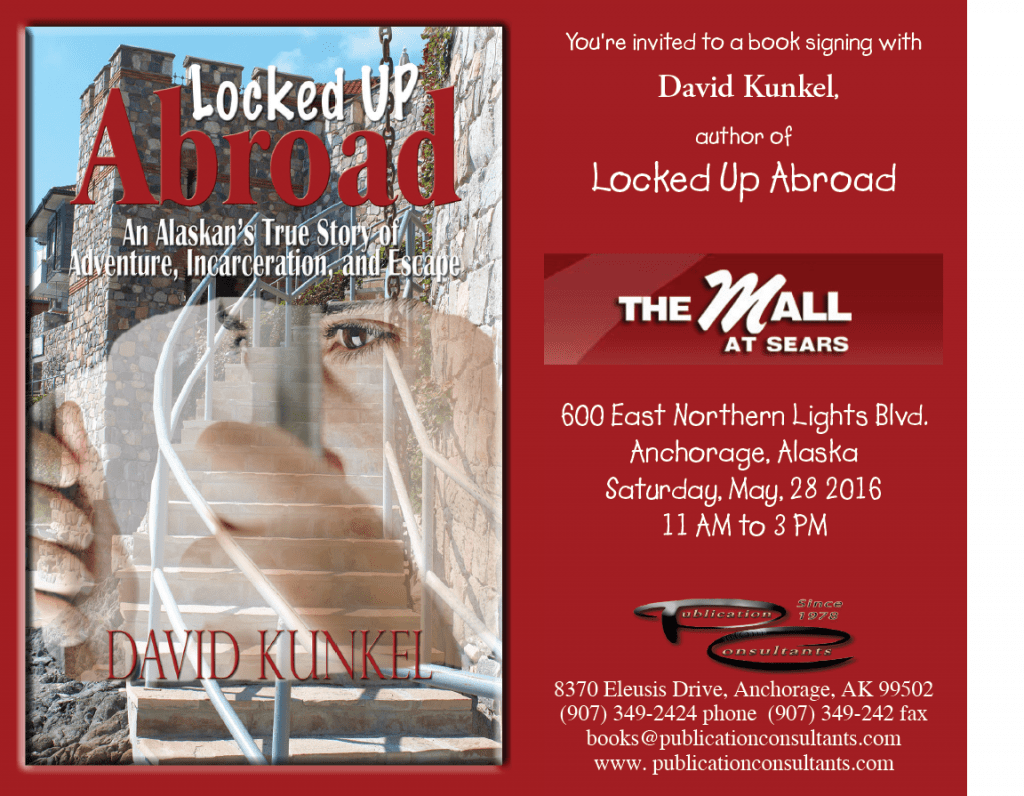


 Costco Book Signings
 eBook Cards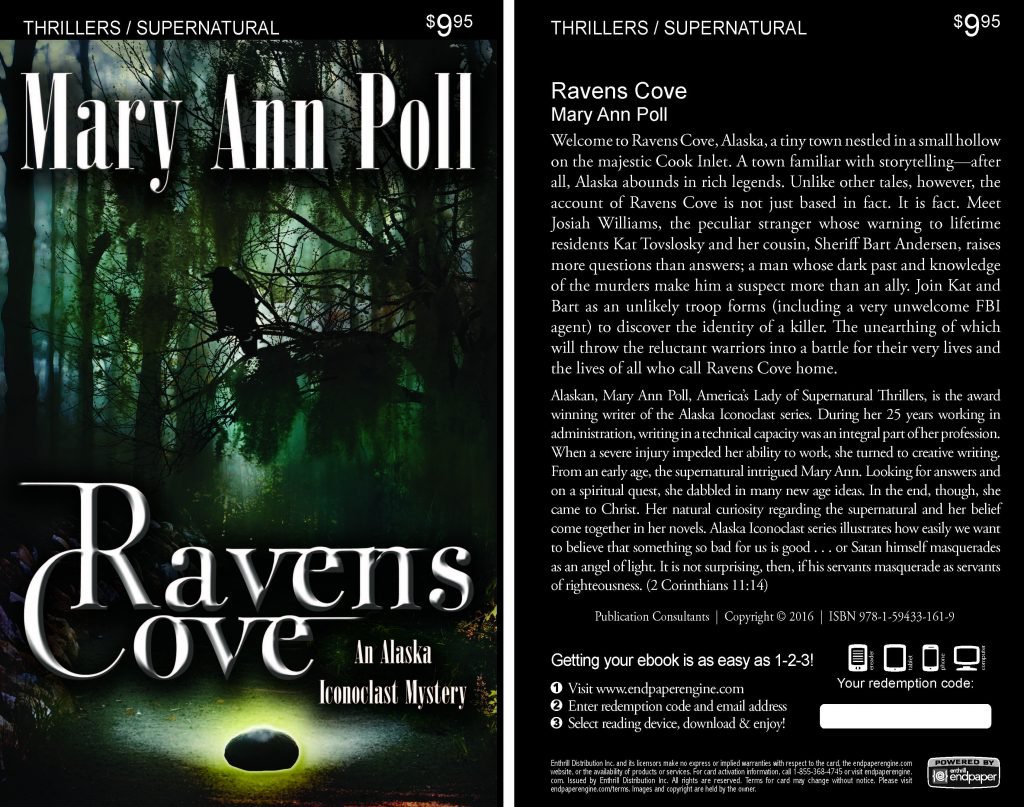

 Benjamin Franklin Award
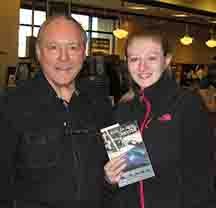 Jim Misko Book Signing at Barnes and Noble
 Cortex is for serious authors and will probably not be of interest to hobbyists. We recorded our Cortex training and information meeting. If you’re a serious author, and did not attend the meeting, and would like to review the training information, kindly let us know. Authors are required to have a Facebook author page to use Cortex.
 Correction:
 We take the quote by Marcella Smith, Small Press Business Manager, Barnes & Noble seriously: “The author is essential to the success of the book, giving energy behind the book to make it something that a customer will come in and ask for. That is what makes the difference in a book that sells, that develops legs, and has a life of its own. Otherwise the book goes on the shelf and stays there for three months. Then it gets returned.”
 This is Publication Consultants’ motivation for constantly striving to assist authors sell and market their books. ACM is Publication Consultants’ plan to accomplish this so that our authors’ books have a reasonable opportunity for success. We know the difference between motion and direction. ACM is direction! ACM is the process for authors who are serious about bringing their books to market. ACM is a boon for serious authors, but a burden for hobbyist. We don’t recommend ACM for hobbyists.

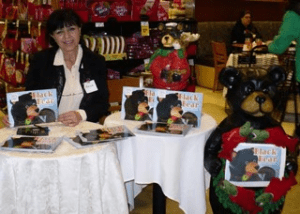
 We’re the only publisher we know of that provides authors with book signing opportunities. Book signing are appropriate for hobbyist and essential for serious authors. To schedule a book signing kindly go to our website, <
 An Author Page on Amazon Author Central is a serious author ACM requirement and desirable for the hobbyist. Author Central is a free resource designed to help authors become more active participants in the promotion of their books. In Author Central you can manage an Author Page, update information about your books, and view Customer Reviews and sales information for your bibliography. If you don’t already have an Author Page on
  We hear authors complain about all the personal stuff on Facebook. Most of these complaints are because the author doesn’t understand the difference difference between a Facebook profile and a Facebook page. Simply put, a profile is for personal things for friends and family; a page is for business. If your book is just a hobby, then it’s fine to have only a Facebook profile and make your posts for friends and family; however, if you’re serious about your writing, and it’s a business with you, or you want it to be business, then you need a Facebook page as an author. It’s simple to tell if it’s a page or a profile. A profile shows how many friends and a page shows how many likes. Here’s a link <> to a straight forward description on how to set up your author Facebook page.
 Active Social Media Participation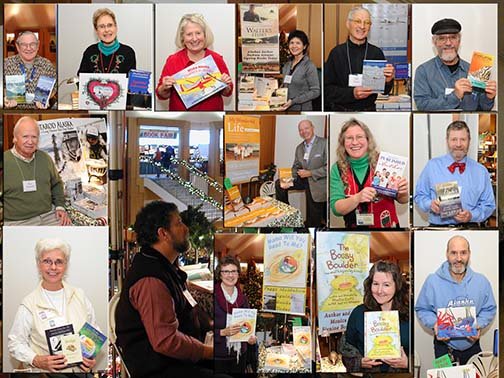


 Mosquito Books has a new location in the Anchorage international airport and is available for signings with 21 days notice. Jim Misko had a signing there yesterday. His signing report included these words, “Had the best day ever at the airport . . ..”


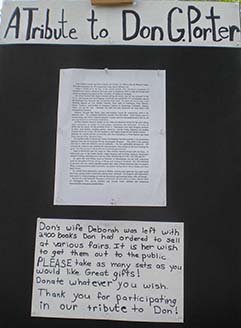
 The Lyin Kings: The Wannabe World Leaders
 Time and Tide


 ReadAlaska 2014
 Readerlink and Book Signings
 2014 Independent Publisher Book Awards Results
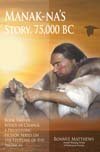
 Bonnye Matthews Radio Interview
 Rick Mystrom Radio Interview
 When he published those overseas blogs as the book The Innocents Abroad, it would become a hit. But you couldn’t find it in bookstores.
 More NetGalley
 Mary Ann Poll


 Bumppo
 Computer Spell Checkers
 Seven Things I Learned From a Foreign Email
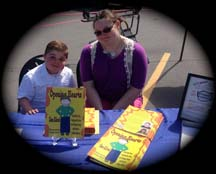 2014 Spirit of Youth Awards
 Book Signings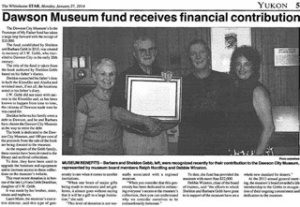
 Blog Talk Radio
 Publication Consultants Blog
 Book Signings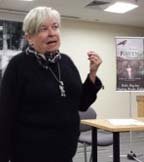

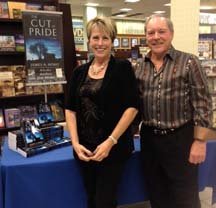

 Don and Lanna Langdok
 Ron Walden
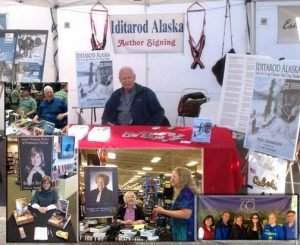 Book Signings Are Fun
 Release Party Video
 Erin’s book,
  Heather’s book,
  New Books