

 This week in Texas, nine young writers received prizes for doing something remarkable. They wrote letters to authors.
The Letters About Literature contest asks students to select a book, poem, essay, or speech and write to the author—living or dead—explaining how the work changed their view of themselves or the world. More than a thousand Texas students entered this year. The winners were announced on March 17.
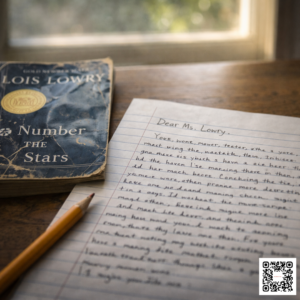
Dalia Goldman, ten years old, wrote to Lois Lowry about Number the Stars. Emily Rigoulot, thirteen, wrote to Lowry about The Giver. Sophia Haagenson, seventeen, wrote to Jewell Parker Rhodes about Ninth Ward. Zak Hu, also seventeen, wrote to Atul Gawande about Being Mortal.
These are not book reports. They are testimonies. A ten-year-old in Bellaire tells Lois Lowry how a story about a Danish girl hiding her Jewish friend during the Holocaust made her understand courage differently. A seventeen-year-old in Carrollton tells a surgeon how a book about mortality changed the way he thinks about what matters at the end of life.
First-place winners receive $300. Their school libraries receive $300 grants. They receive travel stipends to attend the Texas Library Association conference to accept their awards. But the real prize is something else. The real prize is the letter itself—the act of telling an author, “You changed how I see the world.”
Lois Lowry has been receiving letters like these for decades. She has thought carefully about what they mean.
“Early on I came to realize something,” she said in an interview. “Kids at that pivotal age, 12, 13 or 14, they’re still deeply affected by what they read, some are changed by what they read, books can change the way they feel about the world in general.”
In her Newbery Award acceptance speech for The Giver, Lowry described what happens when a child opens a book: “Each time a child opens a book, he pushes open the gate that separates him from Elsewhere. It gives him choices. It gives him freedom. Those are magnificent, wonderfully unsafe things.”
But Lowry understands something else too. She knows writing is not a solitary act. “The writer after all is only half the book,” she has said. “The other half is the reader.”
The other half is the reader.
The Power of Authors begins here. A writer puts words on a page. A reader receives them. And sometimes—not always, but sometimes—the reader writes back.
That is the covenant. Writers write so readers can respond. The book is incomplete until someone reads it and is changed by it. The letter proves the change happened.
Somewhere this week, an author will open an envelope and find a letter from a stranger. The letter will say: “I read your book. It changed something in me.” The author will understand that the work is finished now. The other half of the book has arrived.
If you have ever been changed by a book, tell the author. If the author is dead, tell someone else. If no one will listen, write it down anyway. The testimony matters. It completes the work.
The writer is only half the book. You are the other half.
The Power of Authors by Evan and Lois Swensen explores what it means to write with purpose — and why a book built on conviction has no expiration date.
The book is available on Amazon: http://bit.ly/3K6o8AM. If you’d like an autographed copy, you can order it here: http://bit.ly/4pgmzjM.


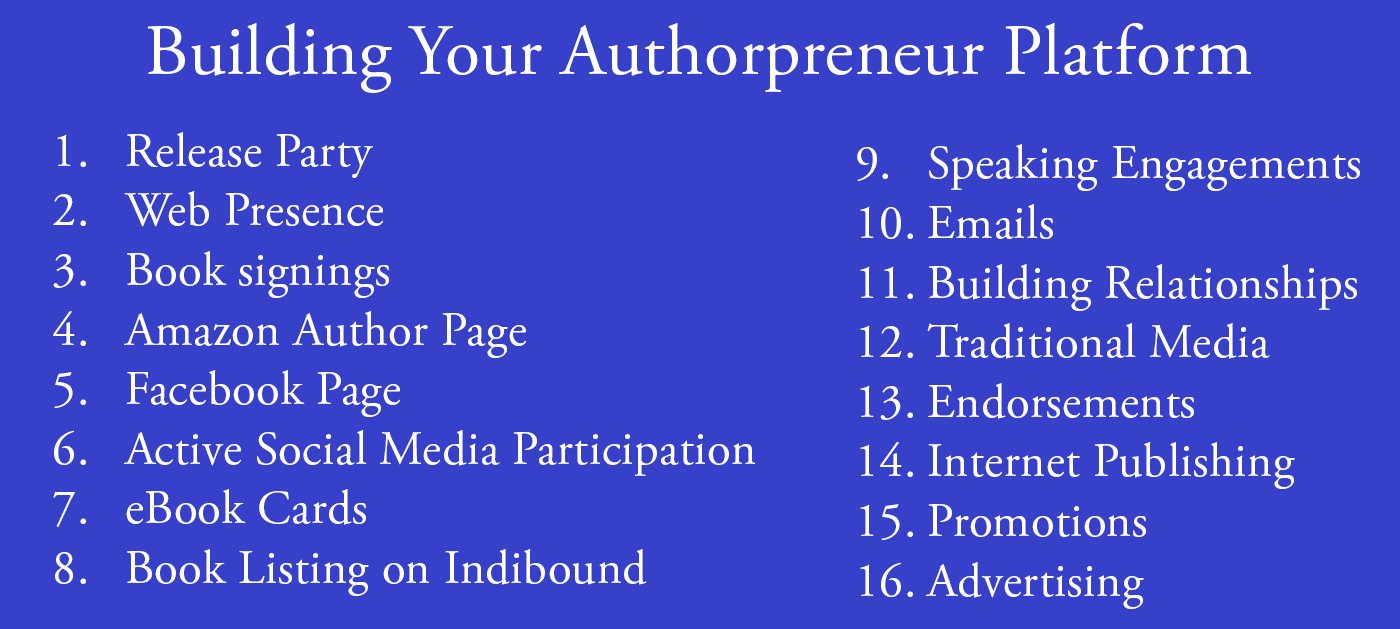

 Author Campaign Method (ACM) for Authorpreneurs
 This is Publication Consultants’ motivation for constantly striving to assist authors sell and market their books. Author Campaign Method (ACM) of sales and marketing is Publication Consultants’ plan to accomplish this so that our authors’ books have a reasonable opportunity for success. We know the difference between motion and direction. ACM is direction! ACM is the process for authorpreneurs who are serious about bringing their books to market. ACM is a boon for them.
 Release Party
 Web Presence
 Book Signings
 Amazon Author Page
 Facebook Profile and Facebook Page
 Active Social Media Participation
 Ebook Cards
 The Great Alaska Book Fair: October 8, 2016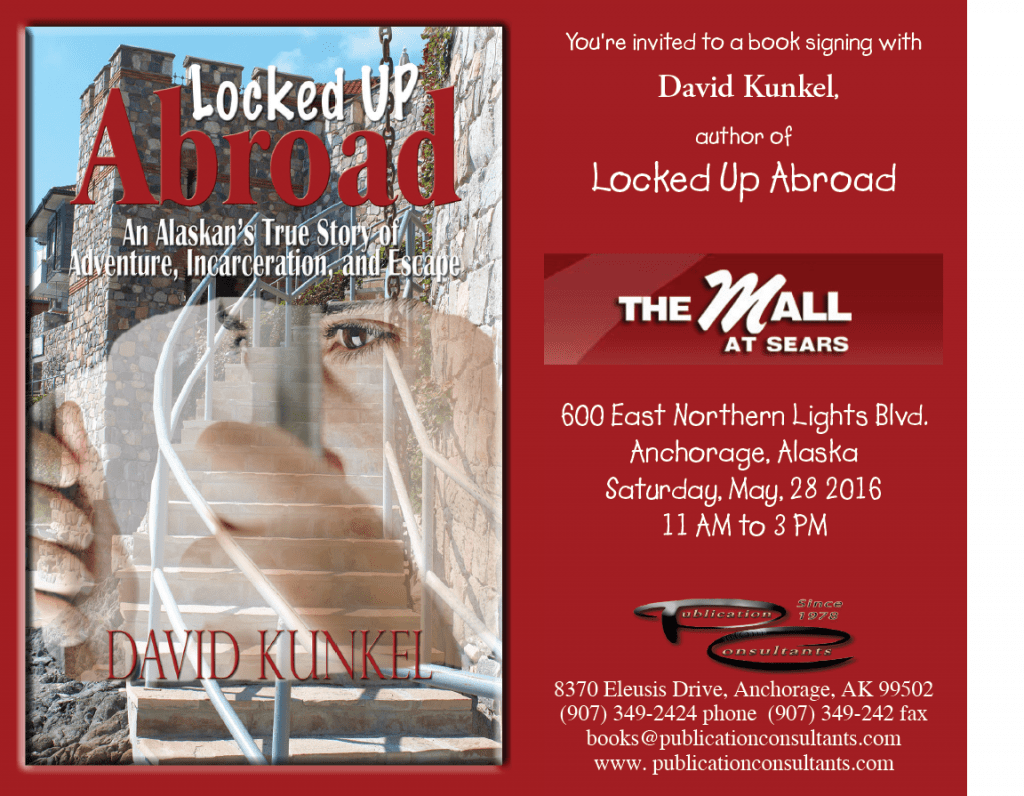


 Costco Book Signings
 eBook Cards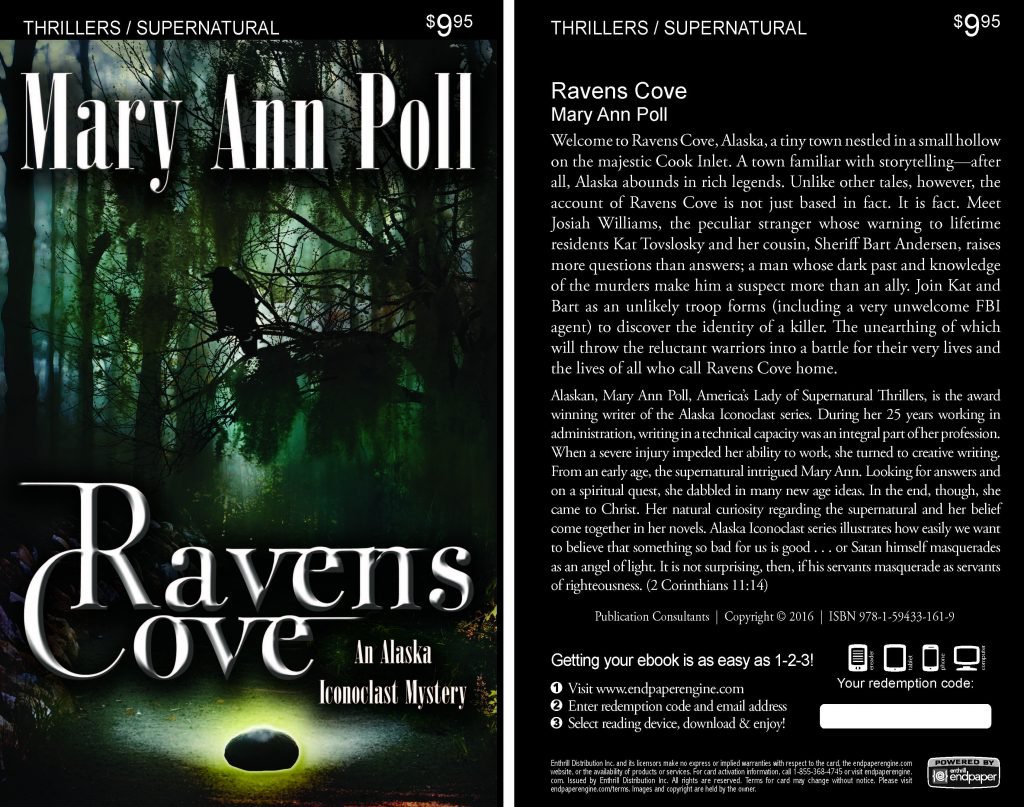

 Benjamin Franklin Award
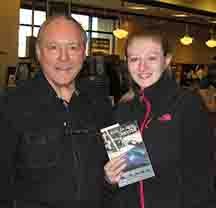 Jim Misko Book Signing at Barnes and Noble
 Cortex is for serious authors and will probably not be of interest to hobbyists. We recorded our Cortex training and information meeting. If you’re a serious author, and did not attend the meeting, and would like to review the training information, kindly let us know. Authors are required to have a Facebook author page to use Cortex.
 Correction:
 We take the quote by Marcella Smith, Small Press Business Manager, Barnes & Noble seriously: “The author is essential to the success of the book, giving energy behind the book to make it something that a customer will come in and ask for. That is what makes the difference in a book that sells, that develops legs, and has a life of its own. Otherwise the book goes on the shelf and stays there for three months. Then it gets returned.”
 This is Publication Consultants’ motivation for constantly striving to assist authors sell and market their books. ACM is Publication Consultants’ plan to accomplish this so that our authors’ books have a reasonable opportunity for success. We know the difference between motion and direction. ACM is direction! ACM is the process for authors who are serious about bringing their books to market. ACM is a boon for serious authors, but a burden for hobbyist. We don’t recommend ACM for hobbyists.

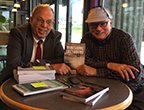
 We’re the only publisher we know of that provides authors with book signing opportunities. Book signing are appropriate for hobbyist and essential for serious authors. To schedule a book signing kindly go to our website, <
 An Author Page on Amazon Author Central is a serious author ACM requirement and desirable for the hobbyist. Author Central is a free resource designed to help authors become more active participants in the promotion of their books. In Author Central you can manage an Author Page, update information about your books, and view Customer Reviews and sales information for your bibliography. If you don’t already have an Author Page on
  We hear authors complain about all the personal stuff on Facebook. Most of these complaints are because the author doesn’t understand the difference difference between a Facebook profile and a Facebook page. Simply put, a profile is for personal things for friends and family; a page is for business. If your book is just a hobby, then it’s fine to have only a Facebook profile and make your posts for friends and family; however, if you’re serious about your writing, and it’s a business with you, or you want it to be business, then you need a Facebook page as an author. It’s simple to tell if it’s a page or a profile. A profile shows how many friends and a page shows how many likes. Here’s a link <> to a straight forward description on how to set up your author Facebook page.
 Active Social Media Participation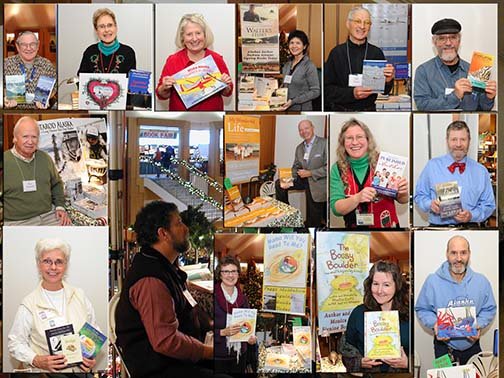


 Mosquito Books has a new location in the Anchorage international airport and is available for signings with 21 days notice. Jim Misko had a signing there yesterday. His signing report included these words, “Had the best day ever at the airport . . ..”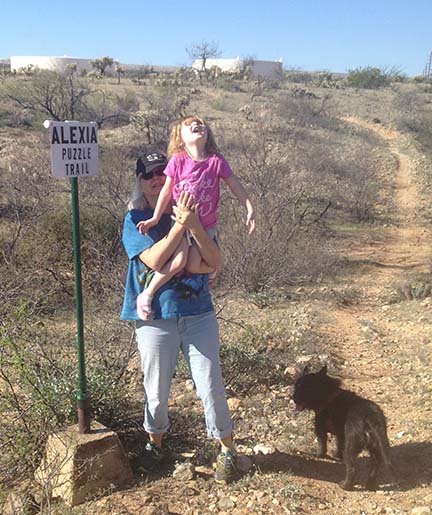


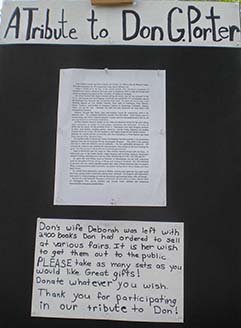
 The Lyin Kings: The Wannabe World Leaders
 Time and Tide


 ReadAlaska 2014
 Readerlink and Book Signings
 2014 Independent Publisher Book Awards Results
 Bonnye Matthews Radio Interview
 Rick Mystrom Radio Interview
 When he published those overseas blogs as the book The Innocents Abroad, it would become a hit. But you couldn’t find it in bookstores.
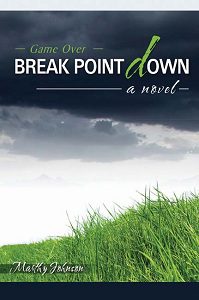 More NetGalley
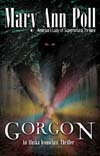 Mary Ann Poll


 Bumppo
 Computer Spell Checkers
 Seven Things I Learned From a Foreign Email
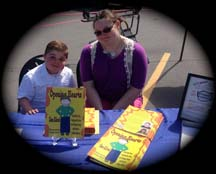 2014 Spirit of Youth Awards
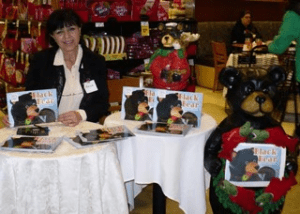
 Book Signings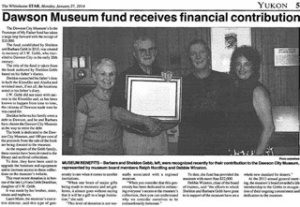
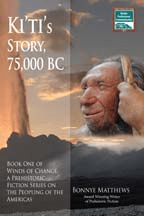
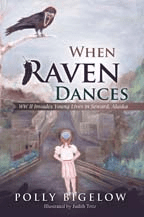 Blog Talk Radio
 Publication Consultants Blog
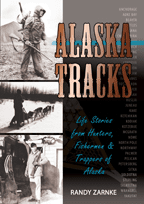 Book Signings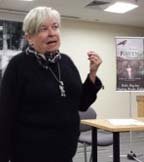
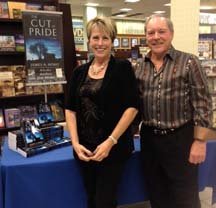

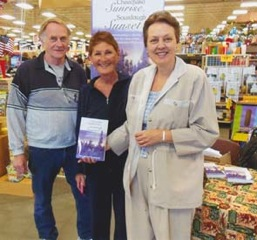 Don and Lanna Langdok
 Ron Walden
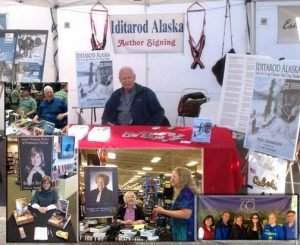 Book Signings Are Fun
 Release Party Video
 Erin’s book,
  Heather’s book,
  New Books