


Cedar Valley News – February 9, 2026
The Paper That Forgot Its Town
By: Teresa Nikas, Editor
From the fictional town of Cedar Valley, where characters from Quiet Echo continue to respond to real-world events.
On Wednesday, the Washington Post fired more than 300 journalists. On Thursday, its CEO and publisher, Will Lewis, was photographed on the red carpet at a celebrity gala in San Francisco. On Saturday, he resigned.
 In Cedar Valley, we have a word for a man who fires the people doing the work and then goes to a party. We do not print it in this paper. But we know what it means.
Let me lay out the facts. Jeff Bezos — worth more than $200 billion — bought the Post in 2013. For a time, he invested in it. The paper grew and won Pulitzer Prizes under executive editor Marty Baron. Then something changed.
In October 2024, Bezos killed the paper’s planned presidential endorsement. The Post had endorsed in every race for decades. The editorial page editor resigned. More than 375,000 subscribers canceled. The paper lost $100 million in revenue. In February 2025, Bezos ordered the editorial page refocused on “personal liberties and free markets” — a direction NPR reported was far less likely to produce criticism of President Trump. Another editor walked out. Subscribers kept leaving.
Will Lewis arrived from Rupert Murdoch’s media empire with controversy already attached — accused of involvement in covering up the phone-hacking scandal at Murdoch’s British tabloids. He promised radical innovation. He delivered two years of turbulence, one all-staff meeting, and silence.
Last Wednesday, executive editor Matt Murray told the newsroom over a mandatory Zoom call that one in three employees was gone. The sports section — eliminated. The books section — closed. The Cairo bureau — shuttered. The entire Middle East team — fired. One war correspondent received her termination email while reporting from an active combat zone. The metro desk — the backbone of any newspaper that serves an actual city — was cut from more than forty reporters to roughly a dozen.
Lewis did not attend the call. Marty Baron called it “among the darkest days in the history of one of the world’s greatest news organizations.” The Washington Post Guild called Lewis’s departure “long overdue” and said his legacy was “the attempted destruction of a great American journalism institution.”
Saturday evening, Lewis sent a brief email. Called his tenure “two years of transformation.” Bezos issued a statement praising new leadership and said, “The data tells us what is valuable and where to focus.”
The data. Not the duty. Not the mission. Not the people of Washington, D.C., who depend on a metro desk to tell them what their city council did last Tuesday. The data!
A newspaper is not a data set. A reader is not a click. A reporter sitting through a four-hour zoning meeting on a Wednesday night is not a line item on a spreadsheet. She is the only reason anyone in that room behaves. She is the reason the building inspector does not look the other way. She is the reason the school board does not quietly cut a program nobody will notice until their children come home with nothing to do.
When Jeff Bezos says the data will tell him where to focus, he is telling you he does not understand what a newspaper does. Or worse — he understands perfectly and has decided it is not worth the cost. He could fund the Post’s losses for a hundred years and never notice. He chose not to. Will Lewis could have stood before his newsroom and shared the weight. He chose a red carpet. Matt Murray could have resigned rather than deliver the cuts. He did not.
Character is not what you say in a press release. Character is what you do when the cost of doing right is personal and uncomfortable. Last week, the leaders of one of America’s most important newspapers showed us their character. It was not complicated. It was just empty.
In Cedar Valley, I run a small paper. I sit at a desk by the front window. I answer the phone. I go to the meetings nobody else attends. Nobody is going to buy this paper and hollow it out. Nobody is going to fire the reporters — because I am the reporter, and Caleb sets the type, and Dan drops copies at the diner before the coffee is ready. That is not a business model. It is a covenant.
Here is what I want to say on this Monday morning. Read your local paper. If you have one, pay for it. The people who write it are not getting rich. They are showing up because they believe your town matters enough to be told the truth about itself.
Democracy does not die in darkness. It dies in indifference. It dies when a billionaire decides his newspaper is a burden. It dies when a CEO goes to a party instead of facing the people he failed. And it dies a little every time a reader says local news does not matter.
It matters. The people who write it matter. And the towns that lose both do not get either one back easily.
Let us not be one of those towns.
This editorial is part of the fictional Cedar Valley News series. While the people and town are fictional, the national events they reflect on are real.
Want to know the full story behind Cedar Valley? Teresa, Caleb, Dan, and the community you’ve come to know in these editorials first came together in Quiet Echor. Discover how a small town found its way from fear to fellowship — one quiet act of courage at a time. Available on Amazon: https://bit.ly/3ME4nSs


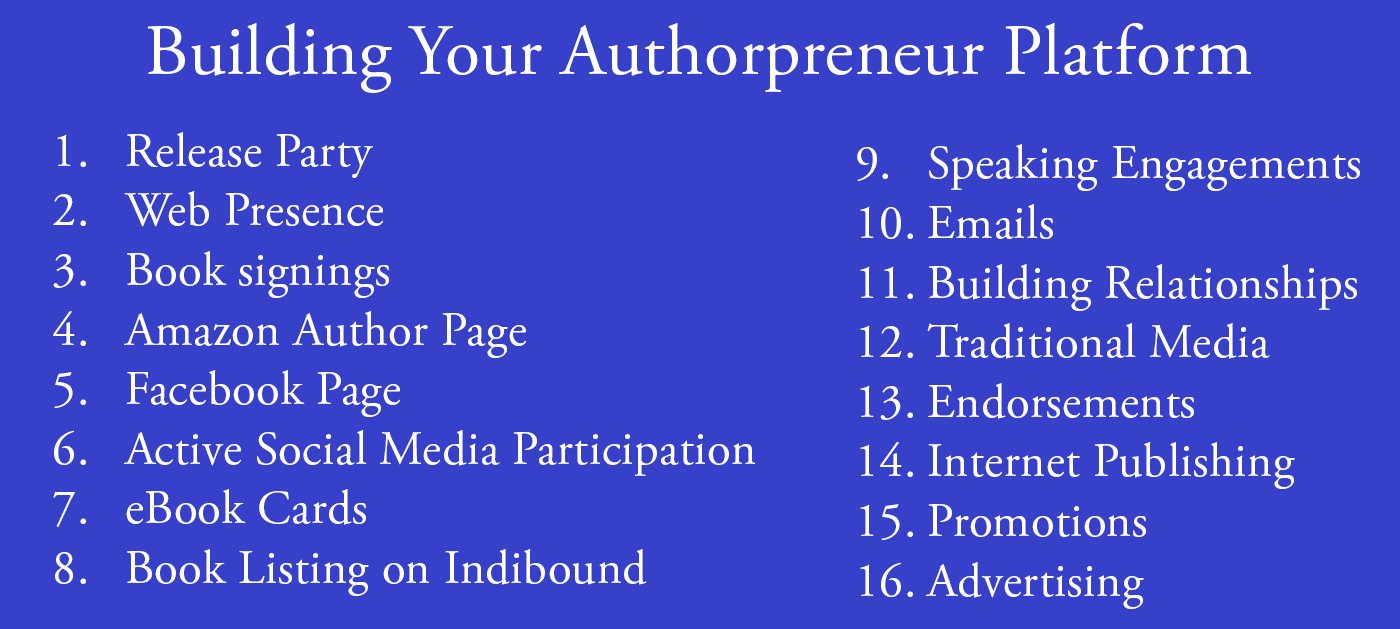

 Author Campaign Method (ACM) for Authorpreneurs
 This is Publication Consultants’ motivation for constantly striving to assist authors sell and market their books. Author Campaign Method (ACM) of sales and marketing is Publication Consultants’ plan to accomplish this so that our authors’ books have a reasonable opportunity for success. We know the difference between motion and direction. ACM is direction! ACM is the process for authorpreneurs who are serious about bringing their books to market. ACM is a boon for them.
 Release Party
 Web Presence
 Book Signings
 Amazon Author Page
 Facebook Profile and Facebook Page
 Active Social Media Participation
 Ebook Cards
 The Great Alaska Book Fair: October 8, 2016


 Costco Book Signings
 eBook Cards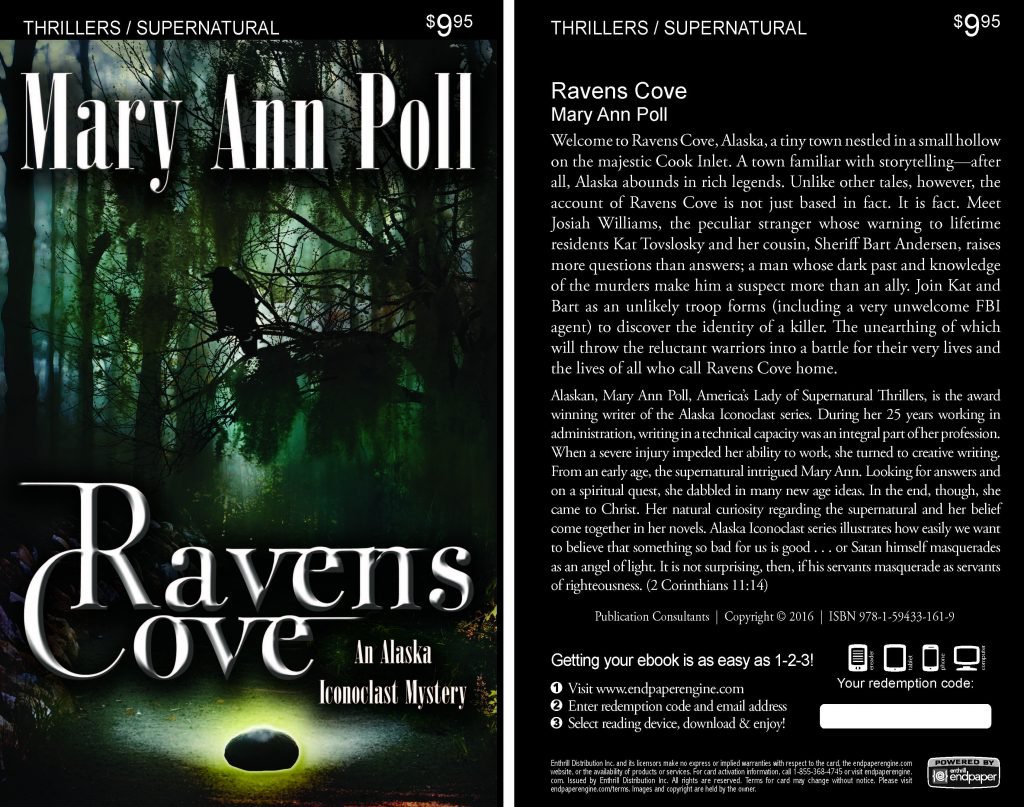

 Benjamin Franklin Award
 Jim Misko Book Signing at Barnes and Noble
 Cortex is for serious authors and will probably not be of interest to hobbyists. We recorded our Cortex training and information meeting. If you’re a serious author, and did not attend the meeting, and would like to review the training information, kindly let us know. Authors are required to have a Facebook author page to use Cortex.
 Correction:
 We take the quote by Marcella Smith, Small Press Business Manager, Barnes & Noble seriously: “The author is essential to the success of the book, giving energy behind the book to make it something that a customer will come in and ask for. That is what makes the difference in a book that sells, that develops legs, and has a life of its own. Otherwise the book goes on the shelf and stays there for three months. Then it gets returned.”
 This is Publication Consultants’ motivation for constantly striving to assist authors sell and market their books. ACM is Publication Consultants’ plan to accomplish this so that our authors’ books have a reasonable opportunity for success. We know the difference between motion and direction. ACM is direction! ACM is the process for authors who are serious about bringing their books to market. ACM is a boon for serious authors, but a burden for hobbyist. We don’t recommend ACM for hobbyists.

 We’re the only publisher we know of that provides authors with book signing opportunities. Book signing are appropriate for hobbyist and essential for serious authors. To schedule a book signing kindly go to our website, <
 An Author Page on Amazon Author Central is a serious author ACM requirement and desirable for the hobbyist. Author Central is a free resource designed to help authors become more active participants in the promotion of their books. In Author Central you can manage an Author Page, update information about your books, and view Customer Reviews and sales information for your bibliography. If you don’t already have an Author Page on
  We hear authors complain about all the personal stuff on Facebook. Most of these complaints are because the author doesn’t understand the difference difference between a Facebook profile and a Facebook page. Simply put, a profile is for personal things for friends and family; a page is for business. If your book is just a hobby, then it’s fine to have only a Facebook profile and make your posts for friends and family; however, if you’re serious about your writing, and it’s a business with you, or you want it to be business, then you need a Facebook page as an author. It’s simple to tell if it’s a page or a profile. A profile shows how many friends and a page shows how many likes. Here’s a link <> to a straight forward description on how to set up your author Facebook page.
 Active Social Media Participation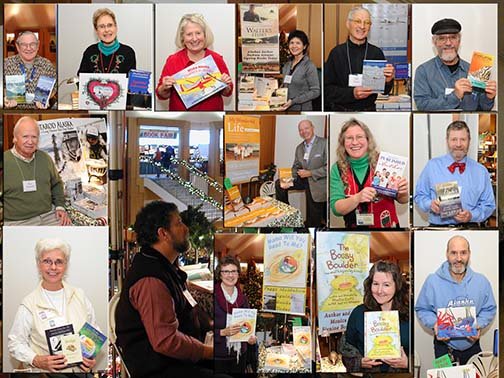


 Mosquito Books has a new location in the Anchorage international airport and is available for signings with 21 days notice. Jim Misko had a signing there yesterday. His signing report included these words, “Had the best day ever at the airport . . ..”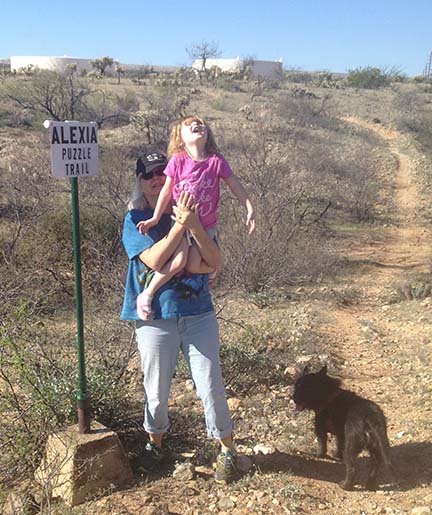


 The Lyin Kings: The Wannabe World Leaders
 Time and Tide


 ReadAlaska 2014
 Readerlink and Book Signings
 2014 Independent Publisher Book Awards Results
 Bonnye Matthews Radio Interview
 Rick Mystrom Radio Interview
 When he published those overseas blogs as the book The Innocents Abroad, it would become a hit. But you couldn’t find it in bookstores.
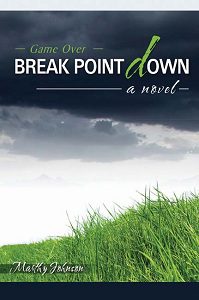 More NetGalley
 Mary Ann Poll


 Bumppo
 Computer Spell Checkers
 Seven Things I Learned From a Foreign Email
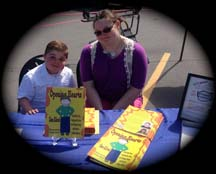 2014 Spirit of Youth Awards
 Book Signings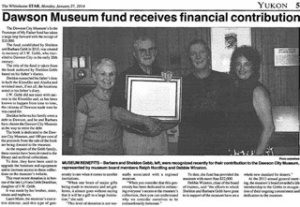
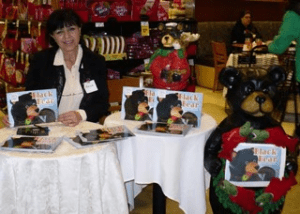
 Blog Talk Radio
 Publication Consultants Blog
 Book Signings

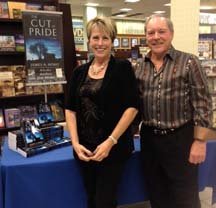

 Don and Lanna Langdok
 Ron Walden
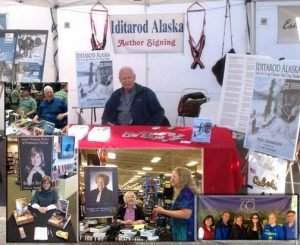 Book Signings Are Fun
 Release Party Video
 Erin’s book,
  Heather’s book,
  New Books