


Cedar Valley News — March 7, 2026
The Question Behind the Question
By: Aisha Khalid, M.D.
From the fictional town of Cedar Valley, where characters from Quiet Echo continue to respond to real-world events.
 A woman came into my office last Tuesday for a sore knee. She is seventy-one. She lives alone. Her knee was fine — mild arthritis, nothing unusual for her age. I could have written a note, suggested ibuprofen, and moved to the next patient.
But she kept talking. About the knee, and then the weather, and then the grocery store, and then the neighbor’s dog, and then a show she had been watching. She was not rambling. She was extending the visit. She did not want to leave.
I asked her how she was sleeping. She said not well. I asked her if she had been eating regularly. She said she forgot sometimes. I asked her if anyone had been by her house in the past week. She went quiet for a long time and said no.
The knee was not why she came. She came because my office was the only place anyone would ask her a question and wait for the answer.
In 2023, Surgeon General Vivek Murthy declared loneliness a public health epidemic. Roughly half of American adults report significant loneliness. The health consequences of chronic isolation are comparable to smoking fifteen cigarettes a day. Disconnection raises the risk of heart disease by 29 percent, stroke by 32 percent, and dementia in older adults by 50 percent.
I read those numbers and I see my exam room. I see the woman with the sore knee. I see the retired teacher who schedules physicals every four months. I see the man whose wife died two years ago and who comes in with a new symptom every time his daughter cancels a visit. They are not hypochondriacs. They are lonely people using the only door still open to them — a medical appointment — to be in the same room as another human being who will look at them and listen.
Medicine is not built for this. I have fifteen minutes per patient. My charts track blood pressure, cholesterol, medications, allergies. There is no checkbox for loneliness. No billing code for the visit where nothing is physically wrong and everything is quietly falling apart. And yet, in my experience, the question behind the question — the reason a patient really walked through the door — is loneliness more often than any of us in medicine are comfortable admitting.
The Surgeon General compared loneliness to hunger — a signal the body sends when something necessary for survival is missing. When we respond quickly, it passes. When we do not, it becomes chronic, and chronic loneliness reshapes the body the way long-term stress does. Cortisol stays elevated. Sleep suffers. Inflammation increases. The immune system weakens. You can see it in the way someone sits in my waiting room — shoulders forward, eyes down, startled when I call their name, as if they had forgotten anyone knew it.
We talk about loneliness as though it is an emotional problem. It is not. It is a medical problem dressed in emotional clothing. And like most medical problems, it does not announce itself clearly. It arrives disguised as insomnia, fatigue, weight gain, chronic pain, anxiety, a sore knee on a Tuesday afternoon. If you treat only the symptom, you miss the patient.
I practice medicine in a small town. I know my patients, their families, their dogs, their church attendance. But even here — even in Cedar Valley — I see the isolation creeping in. The widower who stopped coming to Wednesday night supper. The retired farmer whose children moved away and who tells me he is fine every time I ask. The young mother at the park staring at her phone because she does not know how to start a conversation with the woman beside her.
Nobody is doing this on purpose. Nobody wakes up and decides to be alone. But we have built a world where solitude is easy and connection takes effort, and effort is the one thing people who are already depleted cannot manufacture.
To be sure, solitude is not the same as loneliness. Some people thrive alone. Introversion is not a diagnosis. The issue is not the amount of time spent by yourself but the distance between the connection you need and the connection you have. When the gap is small, you are simply independent. When the gap is wide and you cannot close it, you are in trouble — and your body knows it before your mind does.
The fix is not medical. I can treat the insomnia and the inflammation and the blood pressure, but I cannot prescribe a friend. I cannot write a referral for someone to eat dinner with on Thursday night. What I can do — what any of us can do — is ask the question behind the question. When someone tells you they are fine, look at their eyes. When a neighbor stops appearing at places they used to go, notice. When the person beside you at the store or the coffee shop or the school pickup seems to be extending the conversation past its natural end, let them. They may not need advice. They may need three more minutes of being seen.
The woman with the sore knee left my office last Tuesday with a sample of topical cream she did not need and a follow-up appointment she did not need either. She needed the appointment. She just did not need it for her knee.
I gave it to her anyway.
This editorial is part of the fictional Cedar Valley News series, written by Evan Swensen, Publisher, Publication Consultants, and Claude Marshall, AI Developmental Editor. While the people and town are fictional, the national events they reflect on are real.
Want to know the full story behind Cedar Valley? Teresa, Caleb, Dan, and the community you’ve come to know in these editorials first came together in Quiet Echo. Discover how a small town found its way from fear to fellowship — one quiet act of courage at a time. Available on Amazon: https://bit.ly/3ME4nSs
Why do words matter? Because they change lives — when someone reads them. Discover why purpose is the foundation of every sentence worth writing in The Power of Authors by Evan and Lois Swensen. Available on Amazon.


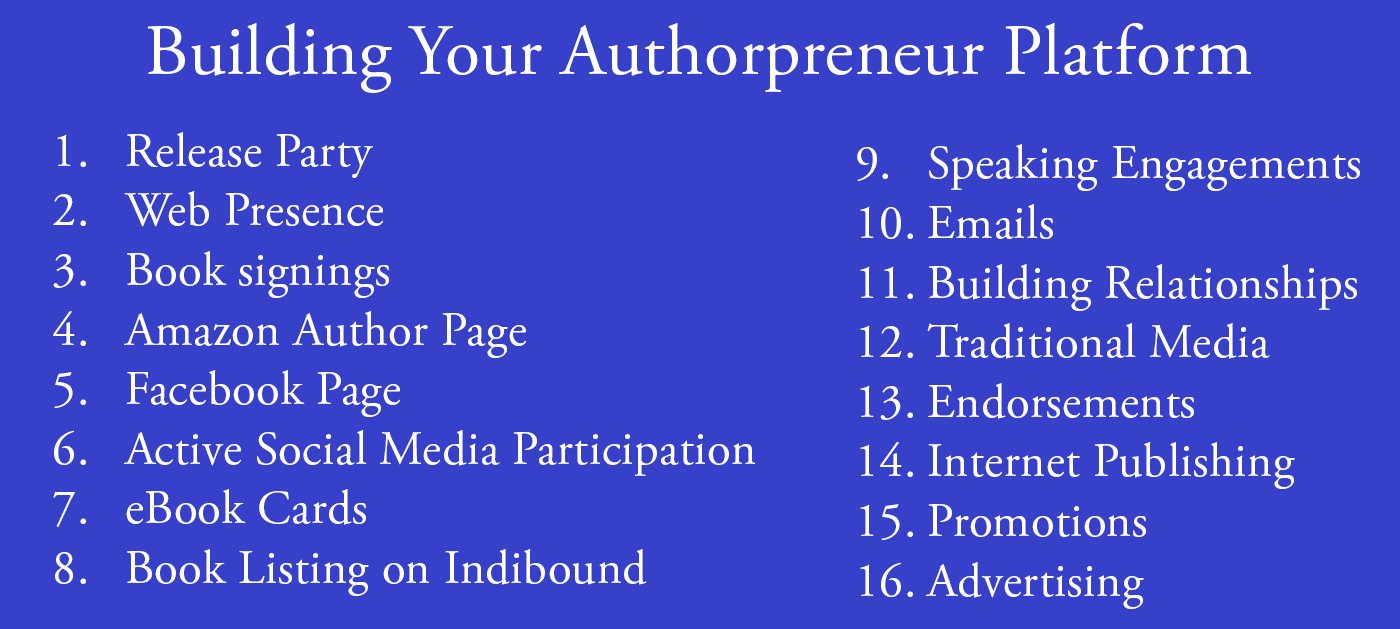

 Author Campaign Method (ACM) for Authorpreneurs
 This is Publication Consultants’ motivation for constantly striving to assist authors sell and market their books. Author Campaign Method (ACM) of sales and marketing is Publication Consultants’ plan to accomplish this so that our authors’ books have a reasonable opportunity for success. We know the difference between motion and direction. ACM is direction! ACM is the process for authorpreneurs who are serious about bringing their books to market. ACM is a boon for them.
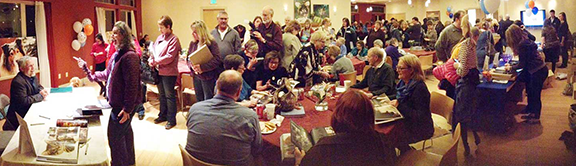 Release Party
 Web Presence
 Book Signings
 Amazon Author Page
 Facebook Profile and Facebook Page
 Active Social Media Participation
 Ebook Cards
 The Great Alaska Book Fair: October 8, 2016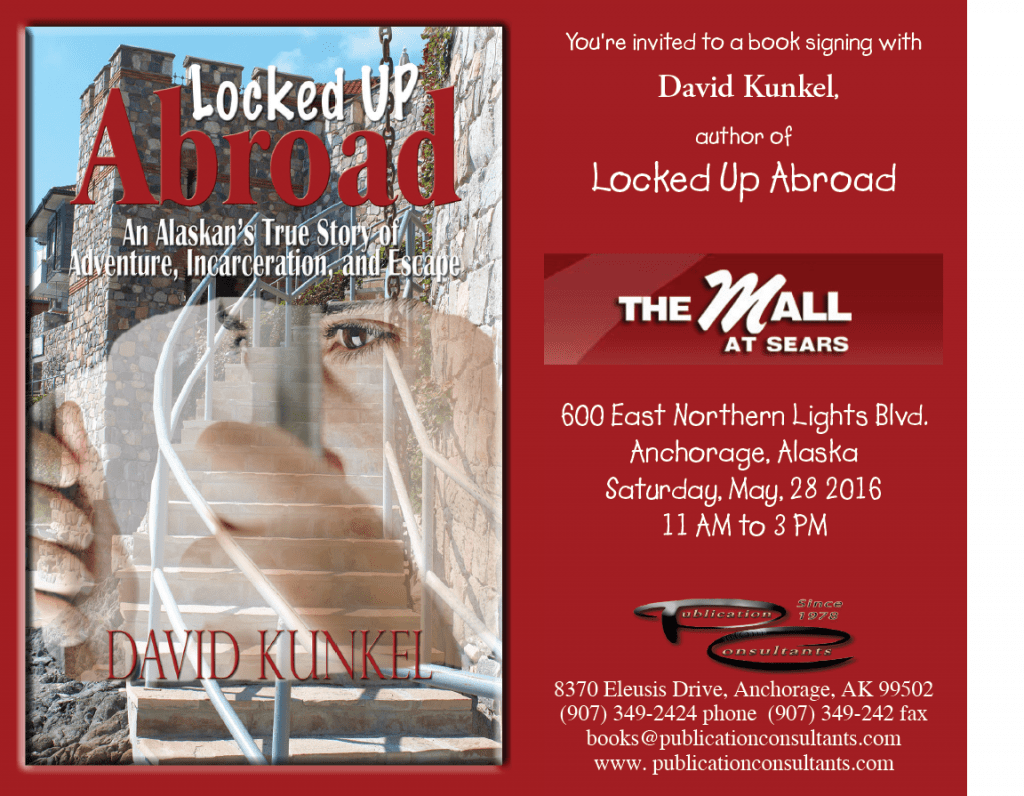
 Costco Book Signings
 eBook Cards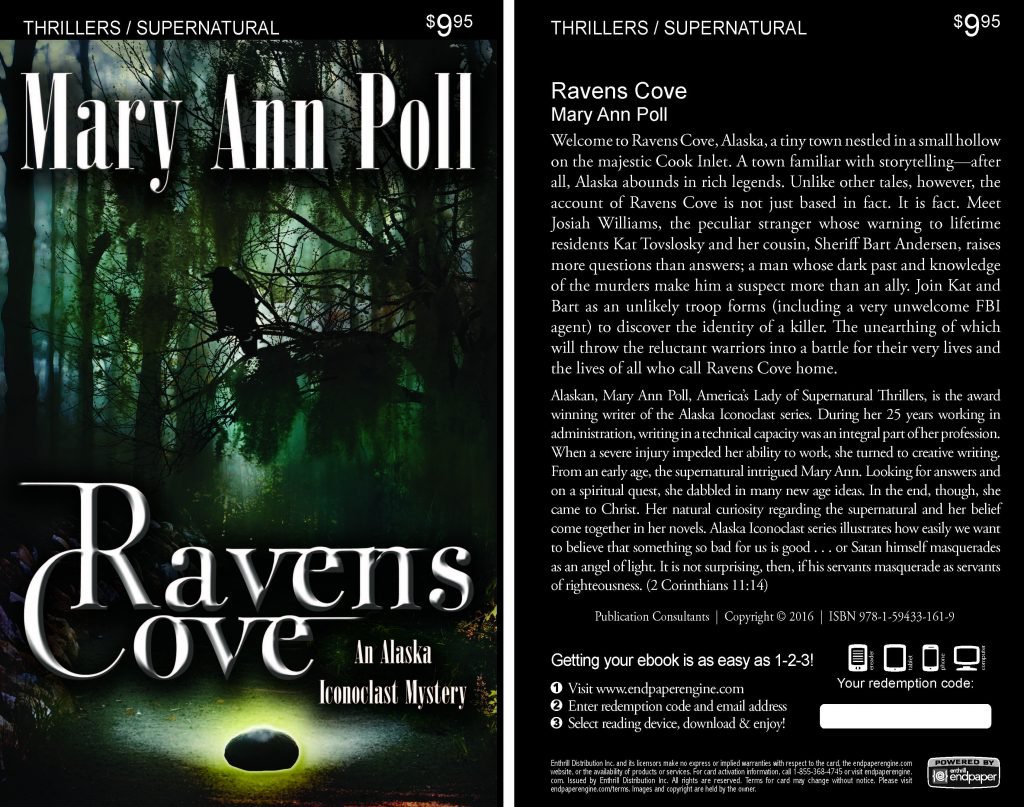

 Benjamin Franklin Award
 Jim Misko Book Signing at Barnes and Noble
 Cortex is for serious authors and will probably not be of interest to hobbyists. We recorded our Cortex training and information meeting. If you’re a serious author, and did not attend the meeting, and would like to review the training information, kindly let us know. Authors are required to have a Facebook author page to use Cortex.
 Correction:
 We take the quote by Marcella Smith, Small Press Business Manager, Barnes & Noble seriously: “The author is essential to the success of the book, giving energy behind the book to make it something that a customer will come in and ask for. That is what makes the difference in a book that sells, that develops legs, and has a life of its own. Otherwise the book goes on the shelf and stays there for three months. Then it gets returned.”
 This is Publication Consultants’ motivation for constantly striving to assist authors sell and market their books. ACM is Publication Consultants’ plan to accomplish this so that our authors’ books have a reasonable opportunity for success. We know the difference between motion and direction. ACM is direction! ACM is the process for authors who are serious about bringing their books to market. ACM is a boon for serious authors, but a burden for hobbyist. We don’t recommend ACM for hobbyists.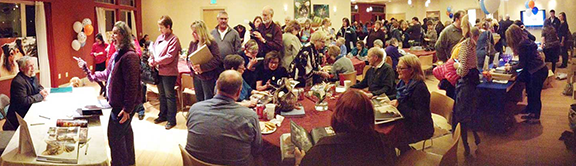

 We’re the only publisher we know of that provides authors with book signing opportunities. Book signing are appropriate for hobbyist and essential for serious authors. To schedule a book signing kindly go to our website, <
 An Author Page on Amazon Author Central is a serious author ACM requirement and desirable for the hobbyist. Author Central is a free resource designed to help authors become more active participants in the promotion of their books. In Author Central you can manage an Author Page, update information about your books, and view Customer Reviews and sales information for your bibliography. If you don’t already have an Author Page on
  We hear authors complain about all the personal stuff on Facebook. Most of these complaints are because the author doesn’t understand the difference difference between a Facebook profile and a Facebook page. Simply put, a profile is for personal things for friends and family; a page is for business. If your book is just a hobby, then it’s fine to have only a Facebook profile and make your posts for friends and family; however, if you’re serious about your writing, and it’s a business with you, or you want it to be business, then you need a Facebook page as an author. It’s simple to tell if it’s a page or a profile. A profile shows how many friends and a page shows how many likes. Here’s a link <> to a straight forward description on how to set up your author Facebook page.
 Active Social Media Participation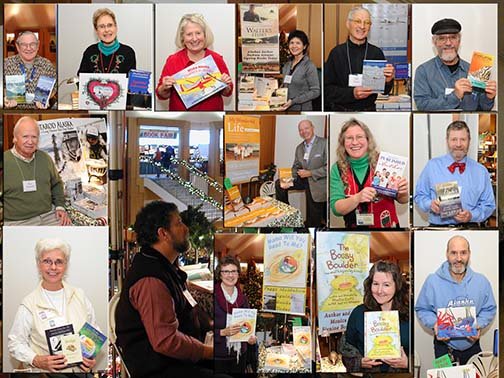


 Mosquito Books has a new location in the Anchorage international airport and is available for signings with 21 days notice. Jim Misko had a signing there yesterday. His signing report included these words, “Had the best day ever at the airport . . ..”


 The Lyin Kings: The Wannabe World Leaders
 Time and Tide


 ReadAlaska 2014
 Readerlink and Book Signings
 2014 Independent Publisher Book Awards Results
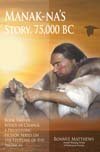
 Bonnye Matthews Radio Interview
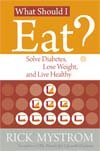 Rick Mystrom Radio Interview
 When he published those overseas blogs as the book The Innocents Abroad, it would become a hit. But you couldn’t find it in bookstores.
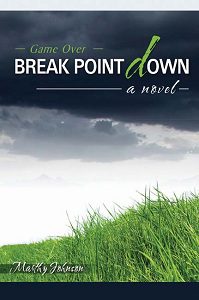 More NetGalley
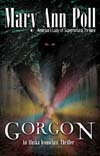 Mary Ann Poll


 Bumppo
 Computer Spell Checkers
 Seven Things I Learned From a Foreign Email
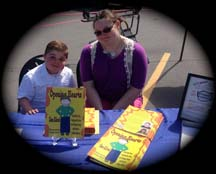 2014 Spirit of Youth Awards
 Book Signings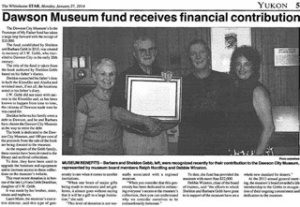
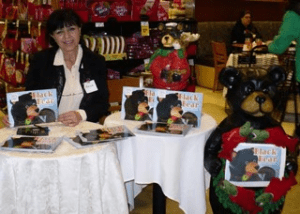
 Blog Talk Radio
 Publication Consultants Blog
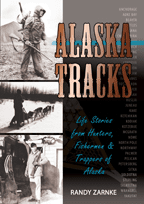 Book Signings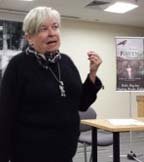

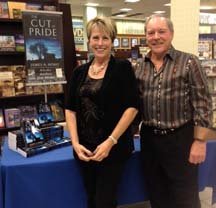

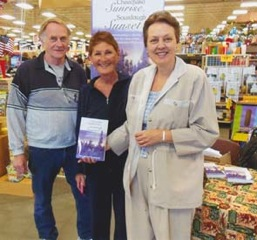 Don and Lanna Langdok
 Ron Walden
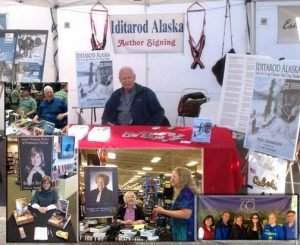 Book Signings Are Fun
 Release Party Video
 Erin’s book,
  Heather’s book,
  New Books