

Elie Wiesel survived Auschwitz. He survived Buna. He survived the death march to Buchenwald. He survived the death of his father, who died on a wooden bunk three months before liberation.
Then he stopped talking.
For ten years, Wiesel said nothing about what he had witnessed. He became a journalist. He wrote about other things. He carried the camps inside him like a sealed room.
He knew how to write. He had plenty of subjects. But the one story that mattered—the one that had chosen him—remained unwritten.
Why?
 Because he hadn’t answered the question every writer must eventually face: What is this for? What good can these words do? Why should I be the one to write them?
When Wiesel finally wrote, he wrote 900 pages in Yiddish. Then he cut them down to under 120.
Every sentence that remained had earned its place. No sensationalism. No exploitation. No preaching. Just a boy and his father trying to survive, told by the man that boy became.
He called it Night.
In the preface, Wiesel asked himself the question directly: “Why did I write it?”
His answer: “I only know that without this testimony, my life as a writer—or my life, period—would not have become what it is. That of a witness who believes he has a moral obligation to try to prevent the enemy from enjoying one last victory by allowing his crimes to be erased from human memory.”
Not because he wanted to say something. Because he had something to say—and he understood what that something was for.
The book nearly disappeared. Publishers rejected it. The first edition sold few copies. Critics didn’t know what to do with it.
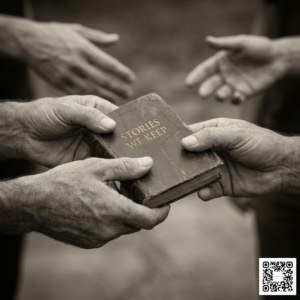
But it didn’t die. Readers found it. Teachers assigned it. One person handed it to another and said: you need to read this.
Sixty years later, Night has been translated into thirty languages. Millions of copies. A permanent scar on the world’s conscience—the kind of scar that reminds us not to repeat the wound.
None of that happened because Wiesel mastered craft, though he did. None of it happened because he understood the market, though he worked as a journalist and knew how publishing functioned.
It happened because he knew why he was writing. His purpose was so clear, so necessary, so deeply felt that the words carried weight no technique alone could give them.
Most writers never find this clarity. They produce book after book, technically sound, commercially viable, and somehow empty. They master how. They explore what. They never settle the question of why.
The books land and leave no mark. Readers finish and forget. The words do their job and nothing more.
Then there are the other books—the ones that stay. The ones readers carry for years. The ones that get handed from person to person with the instruction: “You need to read this.”
Those books share something. Their authors knew what they were doing and why. The purpose came first. Everything else served it.
You have something to say. Not a topic—something deeper. Some truth that found you, some understanding you earned through living, some knowledge the world needs and only you can offer in exactly the way you’d offer it.
The craft books can teach you how to say it well. The market books can teach you how to reach readers.
But no book can tell you what your words are for. That answer lives in you. It has been waiting.
Wiesel waited ten years. He needed that long to understand what his testimony required of him—what it could do, what it must do, what would be lost if he remained silent.
You may not need ten years. But you need the question.
Why do you write?
Answer that, and everything else follows.
If you’ve ever wondered what your words might wake in someone else, The Power of Authors explores what happens when you stop waiting for permission. You can find The Power of Authors on Amazon: http://bit.ly/3K6o8AM. If you’d like an autographed copy: http://bit.ly/4pgmzjM


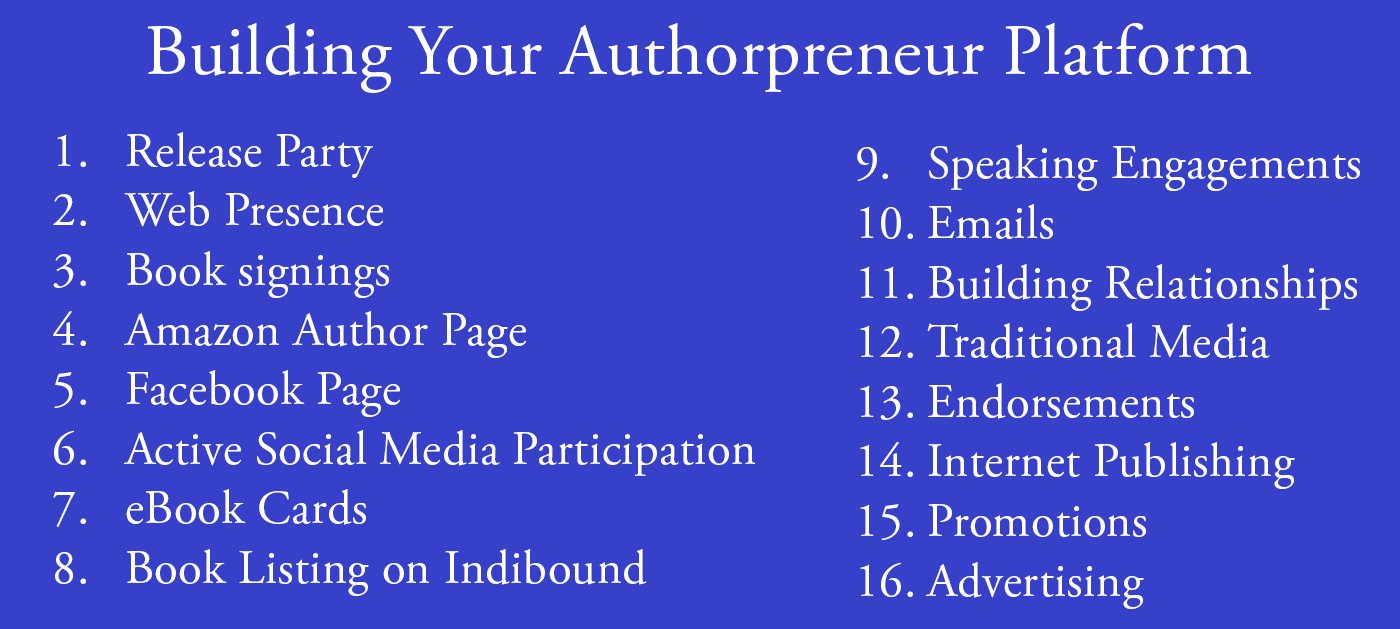

 Author Campaign Method (ACM) for Authorpreneurs
 This is Publication Consultants’ motivation for constantly striving to assist authors sell and market their books. Author Campaign Method (ACM) of sales and marketing is Publication Consultants’ plan to accomplish this so that our authors’ books have a reasonable opportunity for success. We know the difference between motion and direction. ACM is direction! ACM is the process for authorpreneurs who are serious about bringing their books to market. ACM is a boon for them.
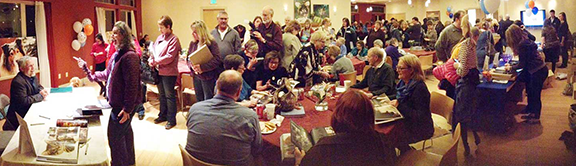 Release Party
 Web Presence
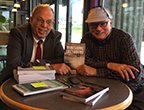 Book Signings
 Amazon Author Page
 Facebook Profile and Facebook Page
 Active Social Media Participation
 Ebook Cards
 The Great Alaska Book Fair: October 8, 2016


 Costco Book Signings
 eBook Cards

 Benjamin Franklin Award
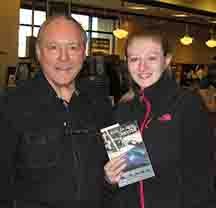 Jim Misko Book Signing at Barnes and Noble
 Cortex is for serious authors and will probably not be of interest to hobbyists. We recorded our Cortex training and information meeting. If you’re a serious author, and did not attend the meeting, and would like to review the training information, kindly let us know. Authors are required to have a Facebook author page to use Cortex.
 Correction:
 We take the quote by Marcella Smith, Small Press Business Manager, Barnes & Noble seriously: “The author is essential to the success of the book, giving energy behind the book to make it something that a customer will come in and ask for. That is what makes the difference in a book that sells, that develops legs, and has a life of its own. Otherwise the book goes on the shelf and stays there for three months. Then it gets returned.”
 This is Publication Consultants’ motivation for constantly striving to assist authors sell and market their books. ACM is Publication Consultants’ plan to accomplish this so that our authors’ books have a reasonable opportunity for success. We know the difference between motion and direction. ACM is direction! ACM is the process for authors who are serious about bringing their books to market. ACM is a boon for serious authors, but a burden for hobbyist. We don’t recommend ACM for hobbyists.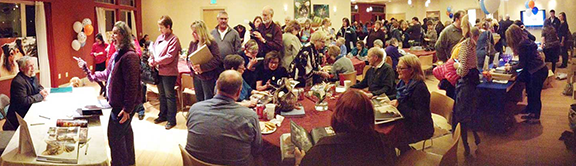

 We’re the only publisher we know of that provides authors with book signing opportunities. Book signing are appropriate for hobbyist and essential for serious authors. To schedule a book signing kindly go to our website, <
 An Author Page on Amazon Author Central is a serious author ACM requirement and desirable for the hobbyist. Author Central is a free resource designed to help authors become more active participants in the promotion of their books. In Author Central you can manage an Author Page, update information about your books, and view Customer Reviews and sales information for your bibliography. If you don’t already have an Author Page on
  We hear authors complain about all the personal stuff on Facebook. Most of these complaints are because the author doesn’t understand the difference difference between a Facebook profile and a Facebook page. Simply put, a profile is for personal things for friends and family; a page is for business. If your book is just a hobby, then it’s fine to have only a Facebook profile and make your posts for friends and family; however, if you’re serious about your writing, and it’s a business with you, or you want it to be business, then you need a Facebook page as an author. It’s simple to tell if it’s a page or a profile. A profile shows how many friends and a page shows how many likes. Here’s a link <> to a straight forward description on how to set up your author Facebook page.
 Active Social Media Participation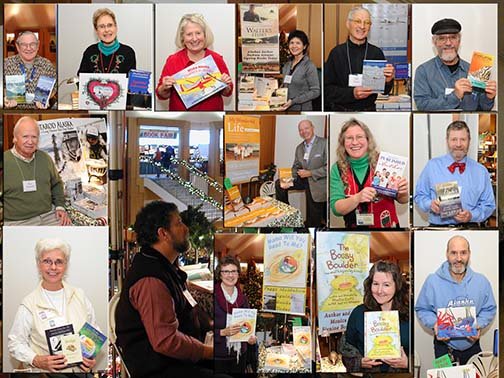


 Mosquito Books has a new location in the Anchorage international airport and is available for signings with 21 days notice. Jim Misko had a signing there yesterday. His signing report included these words, “Had the best day ever at the airport . . ..”


 The Lyin Kings: The Wannabe World Leaders
 Time and Tide


 ReadAlaska 2014
 Readerlink and Book Signings
 2014 Independent Publisher Book Awards Results
 Bonnye Matthews Radio Interview
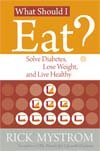 Rick Mystrom Radio Interview
 When he published those overseas blogs as the book The Innocents Abroad, it would become a hit. But you couldn’t find it in bookstores.
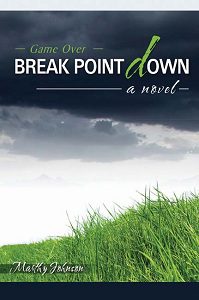 More NetGalley
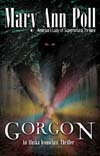 Mary Ann Poll


 Bumppo
 Computer Spell Checkers
 Seven Things I Learned From a Foreign Email
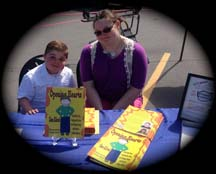 2014 Spirit of Youth Awards
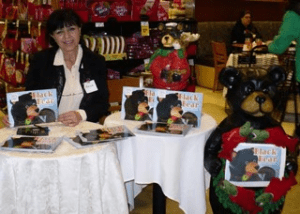
 Book Signings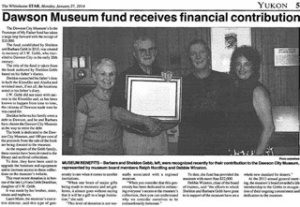
 Blog Talk Radio
 Publication Consultants Blog
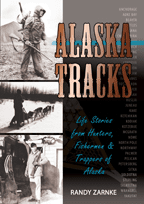 Book Signings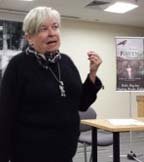

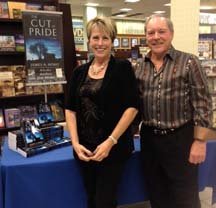

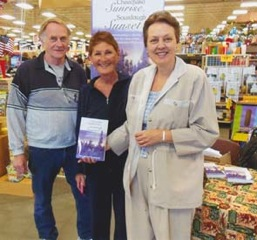 Don and Lanna Langdok
 Ron Walden
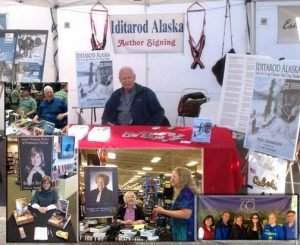 Book Signings Are Fun
 Release Party Video
 Erin’s book,
  Heather’s book,
  New Books