

After decades in publishing, I can predict what an author will ask within the first five minutes of our conversation.
 The first question is about cost. The second is about timeline. The third—and the one that reveals the most—is this: “What kind of editing does my book need?”
It sounds straightforward. It isn’t.
The question assumes editing is a single thing that comes in different sizes, like coffee. Small, medium, large. Pick one. But editing isn’t a size. It’s a series of different tasks, each doing different work, and most authors have never had anyone explain the difference.
So let me explain.
Developmental editing looks at the architecture. Does the book hold together? Does the argument build? Does the story earn its ending? A developmental editor isn’t fixing sentences—they’re asking whether the sentences are in service of something that works.
This is the editing most authors need and fewest authors want. It requires rewriting, sometimes restructuring, occasionally admitting that chapter you love doesn’t belong. Developmental editing is surgery. It leaves scars. The book that emerges is stronger, but the process isn’t comfortable.
Line editing works at the paragraph and sentence level. Flow. Clarity. Rhythm. The line editor asks whether each sentence does what you intended, whether transitions carry the reader forward, whether your voice stays consistent from page one to page three hundred.
Copyediting is grammar, punctuation, consistency, style. The copyeditor catches that you spelled a character’s name two different ways. That you switched tenses in chapter seven. That you’ve used “however” fourteen times in three pages.
Proofreading is the final pass. Typos. Formatting errors. The period that should be a comma. It happens after layout, when the book looks like a book, and it’s the last set of eyes before print.
Four different tasks. Four different skill sets. Four different price points.
Here’s what I’ve noticed after working with hundreds of authors: the question “What kind of editing does my book need?” is rarely about editing.
It’s about fear.
Authors ask about editing when they’re really asking: Is my book good enough? They want someone to tell them the manuscript is close—just needs a light polish, a few corrections, nothing major. They want permission to believe they’re almost there.
Sometimes they are. More often, they’re not.
The manuscript that needs developmental editing but only gets copyediting will be a grammatically correct book that doesn’t work. Every comma in place, every sentence falling flat. I’ve seen it happen. The author publishes, the book disappears, and they blame marketing. But marketing wasn’t the problem. The foundation was.
The question isn’t what kind of editing your book needs. The question is what kind of book you want to publish.
If you want a book that exists—that you can hold, that has your name on the cover—a light edit might suffice. The book will be yours. It will be real. For some authors, that’s enough, and I don’t say that dismissively. Completion matters.
But if you want a book that works—that changes readers, that builds your reputation, that becomes the foundation for everything you write afterward—you need to be honest about where the manuscript actually is. Not where you hope it is. Where it is.
This is why Lois and I wrote The Power of Authors. Not to explain editing levels, but to ask the question underneath the question: Why are you writing this book? What do you want it to do in the world?
When you know your why, the editing question answers itself. You stop asking what’s the minimum required and start asking what’s necessary. Different question. Different book.
Before you ask what kind of editing your manuscript needs, ask what you’re building. A single book, or a body of work? A checked box, or a reputation?
The editing serves the purpose. Know the purpose first.
If you’ve ever wondered whether your words could outlast the moment you write them, The Power of Authors is where that question opens up. You can find The Power of Authors on Amazon: http://bit.ly/3K6o8AM. If you’d like an autographed copy: http://bit.ly/4pgmzjM


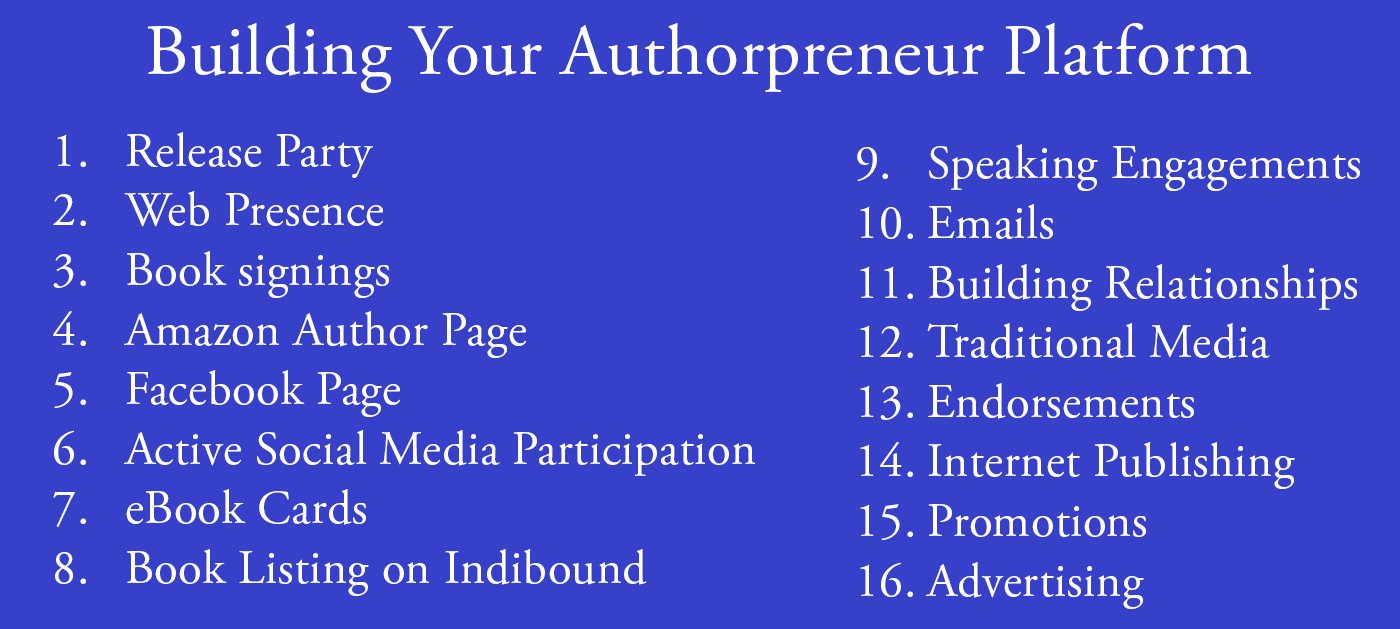

 Author Campaign Method (ACM) for Authorpreneurs
 This is Publication Consultants’ motivation for constantly striving to assist authors sell and market their books. Author Campaign Method (ACM) of sales and marketing is Publication Consultants’ plan to accomplish this so that our authors’ books have a reasonable opportunity for success. We know the difference between motion and direction. ACM is direction! ACM is the process for authorpreneurs who are serious about bringing their books to market. ACM is a boon for them.
 Release Party
 Web Presence
 Book Signings
 Amazon Author Page
 Facebook Profile and Facebook Page
 Active Social Media Participation
 Ebook Cards
 The Great Alaska Book Fair: October 8, 2016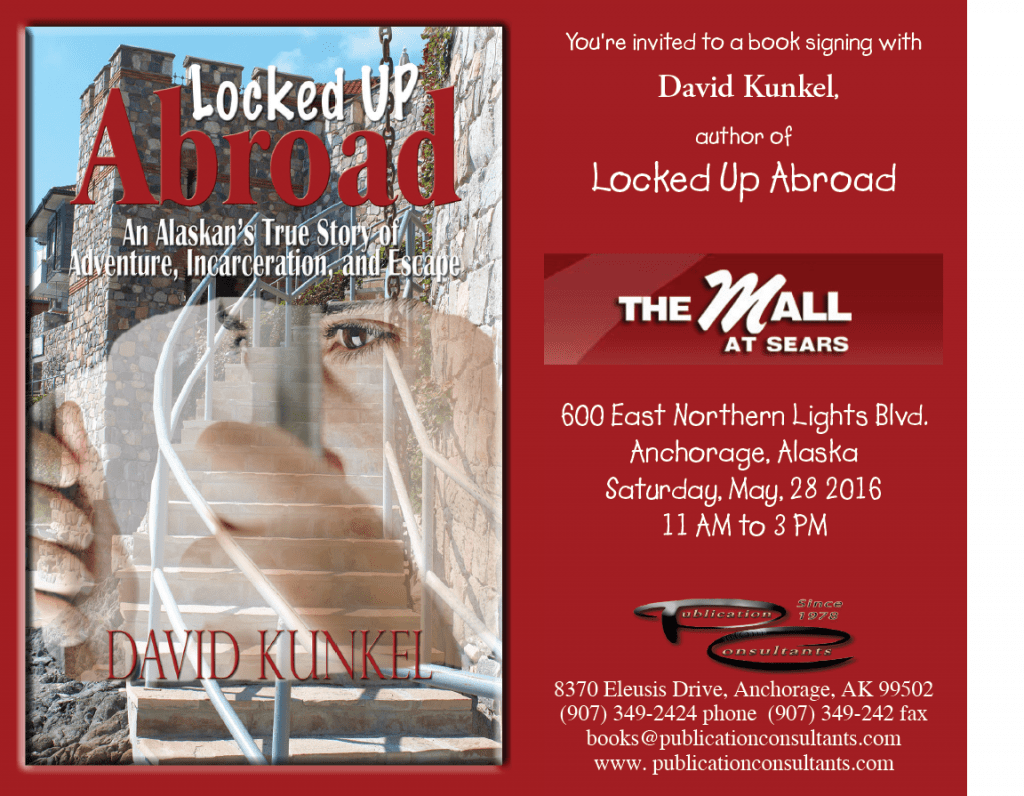


 Costco Book Signings
 eBook Cards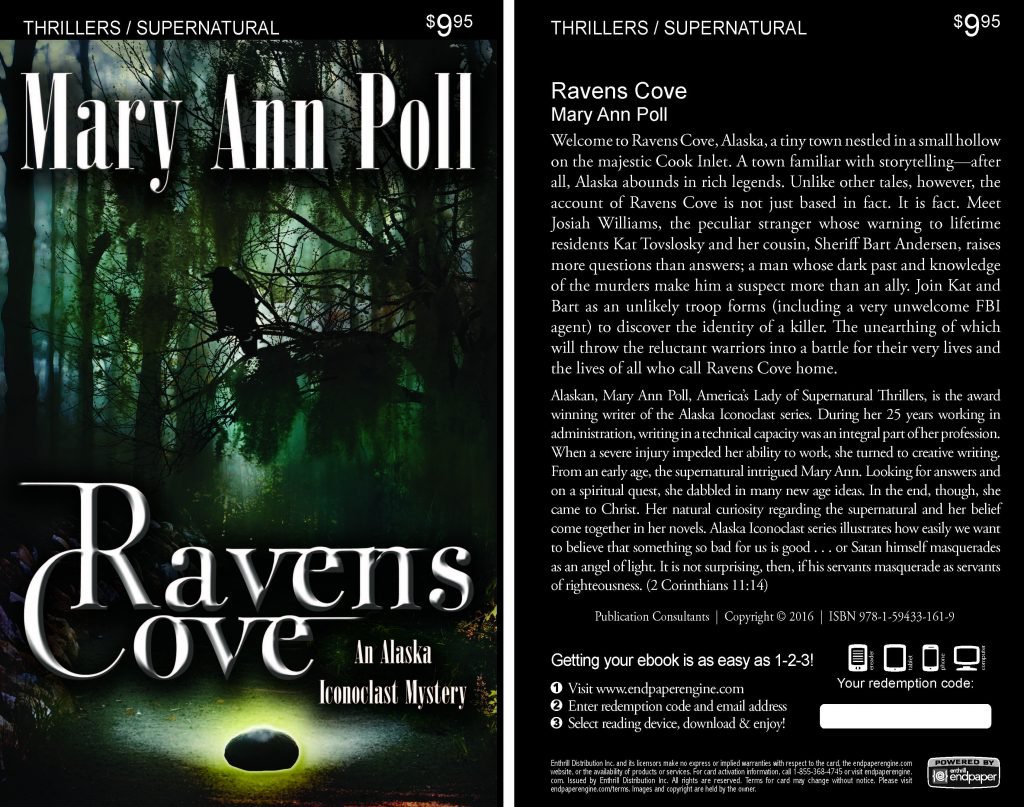

 Benjamin Franklin Award
 Jim Misko Book Signing at Barnes and Noble
 Cortex is for serious authors and will probably not be of interest to hobbyists. We recorded our Cortex training and information meeting. If you’re a serious author, and did not attend the meeting, and would like to review the training information, kindly let us know. Authors are required to have a Facebook author page to use Cortex.
 Correction:
 We take the quote by Marcella Smith, Small Press Business Manager, Barnes & Noble seriously: “The author is essential to the success of the book, giving energy behind the book to make it something that a customer will come in and ask for. That is what makes the difference in a book that sells, that develops legs, and has a life of its own. Otherwise the book goes on the shelf and stays there for three months. Then it gets returned.”
 This is Publication Consultants’ motivation for constantly striving to assist authors sell and market their books. ACM is Publication Consultants’ plan to accomplish this so that our authors’ books have a reasonable opportunity for success. We know the difference between motion and direction. ACM is direction! ACM is the process for authors who are serious about bringing their books to market. ACM is a boon for serious authors, but a burden for hobbyist. We don’t recommend ACM for hobbyists.

 We’re the only publisher we know of that provides authors with book signing opportunities. Book signing are appropriate for hobbyist and essential for serious authors. To schedule a book signing kindly go to our website, <
 An Author Page on Amazon Author Central is a serious author ACM requirement and desirable for the hobbyist. Author Central is a free resource designed to help authors become more active participants in the promotion of their books. In Author Central you can manage an Author Page, update information about your books, and view Customer Reviews and sales information for your bibliography. If you don’t already have an Author Page on
  We hear authors complain about all the personal stuff on Facebook. Most of these complaints are because the author doesn’t understand the difference difference between a Facebook profile and a Facebook page. Simply put, a profile is for personal things for friends and family; a page is for business. If your book is just a hobby, then it’s fine to have only a Facebook profile and make your posts for friends and family; however, if you’re serious about your writing, and it’s a business with you, or you want it to be business, then you need a Facebook page as an author. It’s simple to tell if it’s a page or a profile. A profile shows how many friends and a page shows how many likes. Here’s a link <> to a straight forward description on how to set up your author Facebook page.
 Active Social Media Participation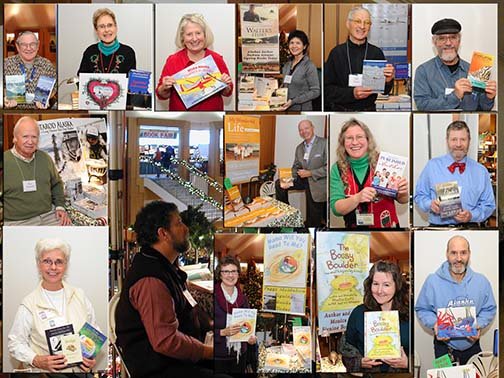


 Mosquito Books has a new location in the Anchorage international airport and is available for signings with 21 days notice. Jim Misko had a signing there yesterday. His signing report included these words, “Had the best day ever at the airport . . ..”


 The Lyin Kings: The Wannabe World Leaders
 Time and Tide


 ReadAlaska 2014
 Readerlink and Book Signings
 2014 Independent Publisher Book Awards Results
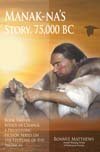
 Bonnye Matthews Radio Interview
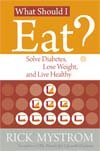 Rick Mystrom Radio Interview
 When he published those overseas blogs as the book The Innocents Abroad, it would become a hit. But you couldn’t find it in bookstores.
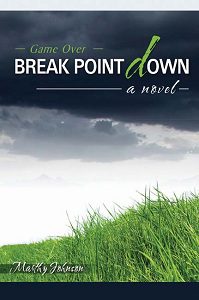 More NetGalley
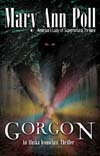 Mary Ann Poll


 Bumppo
 Computer Spell Checkers
 Seven Things I Learned From a Foreign Email
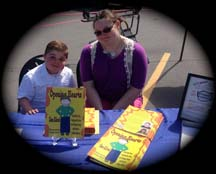 2014 Spirit of Youth Awards
 Book Signings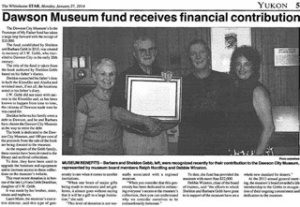
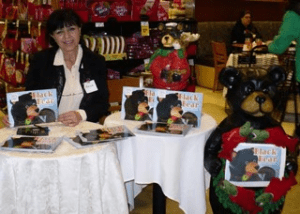
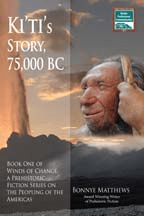
 Blog Talk Radio
 Publication Consultants Blog
 Book Signings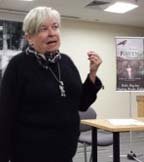
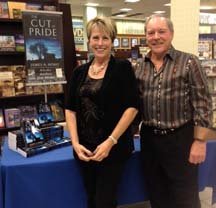

 Don and Lanna Langdok
 Ron Walden
 Book Signings Are Fun
 Release Party Video
 Erin’s book,
  Heather’s book,
  New Books