

Cedar Valley News – January 10, 2026
The Questions We Forgot to Ask
By: Aisha Khalid
From the fictional town of Cedar Valley, where characters from Quiet Echo continue to respond to real-world events.
Two in ten American adults now report having no close friends outside their family—up from three percent in 1990.
I read that statistic this week and couldn’t stop thinking about it. In a single generation, we went from nearly everyone having at least one close friend to one in five people having none at all. And we barely noticed it happening.
 The Surgeon General calls it an epidemic. Researchers call it a crisis. But those words feel too clinical for what we’re actually talking about: millions of people sitting in rooms, surrounded by screens, wondering why the world feels so hollow.
This week in Cedar Valley, we’ve been circling around the same question without quite naming it. Chloe wrote about the parenting trends showing families stepping back from performance and rediscovering “real-life village energy”—carpool crews, grandparents on deck, neighbors who show up. Dan wrote about a seventy-year-old man in Santa Barbara who pedals elderly nursing home residents through the streets on a trishaw, giving them back the wind in their hair and the world they thought they’d lost.
Different stories. Same hunger underneath.
We are lonely. Desperately, quietly, collectively lonely. And we’ve been so busy optimizing our lives that we forgot to ask whether the optimization was making us happy.
The statistics are bracing. Around half of American adults spent time in a public space in their community last year—a coffee shop, a bar, a park. That’s down from two-thirds just six years ago. Four in ten Americans have at most one person they could depend on in a crisis. Only a quarter of us believe that most people can be trusted—down from half in 1972.
We have more ways to connect than any generation in human history. And we are more disconnected than ever.
I don’t think we meant for this to happen. We didn’t set out to build a society where people die alone in apartments and aren’t discovered for days. We didn’t plan to raise children who have hundreds of online followers and no one to sit with at lunch. We didn’t intend for “community” to become something we scroll through rather than something we belong to.
But here we are.
Robert Putnam wrote a book called Bowling Alone back in 2000, documenting the decline of civic engagement in America. The title came from the observation that bowling leagues were disappearing—not because people stopped bowling, but because they stopped bowling together. The bowling wasn’t the point. The point was people spending time together regularly, making friends, helping each other in times of need.
That was a quarter century ago. The decline has only accelerated.
What strikes me is that the solutions aren’t complicated. They’re just unfashionable.
Join something. Show up regularly. Know your neighbors’ names. Invite someone over for dinner. Put down your phone. Look people in the eye. Ask how they’re really doing—and wait for the answer.
These aren’t revolutionary ideas. Our grandparents would have found them obvious. But somewhere along the way, we decided that efficiency mattered more than presence, that convenience was more important than commitment, that we could outsource connection to algorithms and still feel whole.
We were wrong.
The Harvard researchers studying loneliness found that three-quarters of Americans want more community activities and public spaces where they can actually connect with other people. They want green spaces and playgrounds and places to gather. They want what we used to have and somehow lost.
Here in Cedar Valley, we still have some of it. The potlucks after church. The hardware store where Lars knows everyone’s name. The front porches where neighbors wave. The library story hour where children pile onto laps. These aren’t quaint relics—they’re the infrastructure of human flourishing.
But even here, I feel it slipping. The pull of the screen. The excuse of busyness. The slow erosion of the ties that bind.
Saturday is my day for quiet questions. So here are a few:
When was the last time you had a friend over for a meal—not for a special occasion, just because?
Do you know your neighbors? Not just their faces—their names, their stories, their struggles?
If you needed help at three in the morning, who would you call? Would they answer?
What would change if you treated connection not as a luxury but as a necessity—as essential to your health as exercise or sleep?
The loneliness epidemic isn’t something that happened to us. It’s something we built, choice by choice, convenience by convenience. Which means we can unbuild it the same way.
One dinner invitation. One front-porch conversation. One trishaw ride through the streets with a ninety-seven-year-old woman who just wants to feel the wind in her hair.
The solutions aren’t complicated. They’re just slow. And they require us to value something we’ve been trained to dismiss: the unglamorous, unoptimized, irreplaceable presence of other human beings.
I don’t know what 2026 will bring. But I know this: we weren’t made to be alone. And no algorithm, no platform, no amount of digital connection will ever replace the simple grace of being known.
The question isn’t whether we can solve the loneliness epidemic.
The question is whether we’re willing to be inconvenienced by love.
This editorial is part of the fictional Cedar Valley News series. While the people and town are fictional, the national events they reflect on are real.
Want to know the full story behind Cedar Valley? Teresa, Caleb, Dan, and the community you’ve come to know in these editorials first came together in Quiet Echo: When Loud Voices Divide, Quiet Ones Bring Together. Discover how a small town found its way from fear to fellowship—one quiet act of courage at a time. Available on Amazon: https://bit.ly/3ME4nSs
It’s free, live, and fresh! Quiet Echo—A Cedar Valley News Podcast is live on Apple Podcasts: https://bit.ly/4nV8XsE, Spotify: https://bit.ly/4hdNHfX, YouTube: https://bit.ly/48Zfu1g , and Podcastle: https://bit.ly/4pYRstE. Every day, you can hear Cedar Valley’s editorials read aloud by the voices you’ve come to know—warm, steady, and rooted in the values we share. Step into the rhythm of our town, one short reflection at a time. Wherever you listen, you’ll feel right at home. Presented by the Publication Consultants: https://publicationconsultants.com/


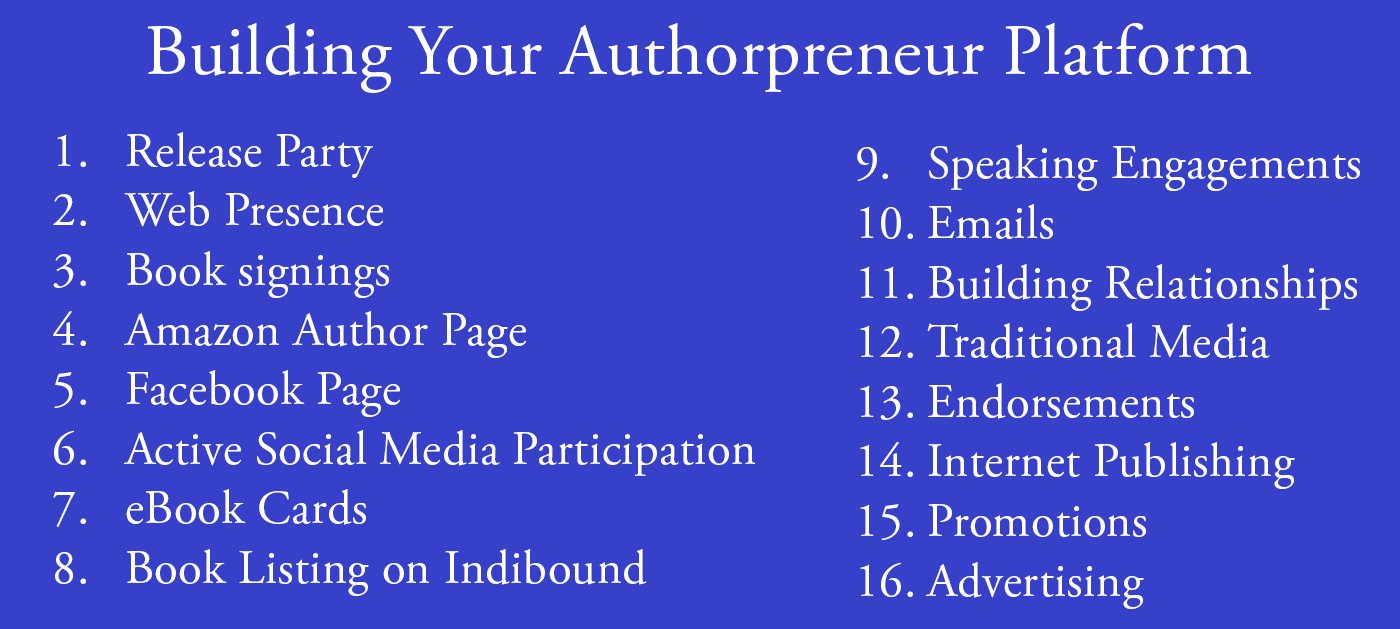

 Author Campaign Method (ACM) for Authorpreneurs
 This is Publication Consultants’ motivation for constantly striving to assist authors sell and market their books. Author Campaign Method (ACM) of sales and marketing is Publication Consultants’ plan to accomplish this so that our authors’ books have a reasonable opportunity for success. We know the difference between motion and direction. ACM is direction! ACM is the process for authorpreneurs who are serious about bringing their books to market. ACM is a boon for them.
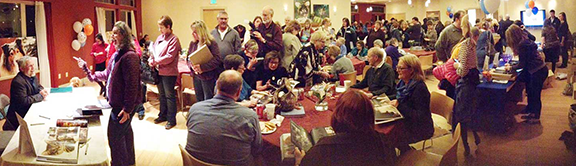 Release Party
 Web Presence
 Book Signings
 Amazon Author Page
 Facebook Profile and Facebook Page
 Active Social Media Participation
 Ebook Cards
 The Great Alaska Book Fair: October 8, 2016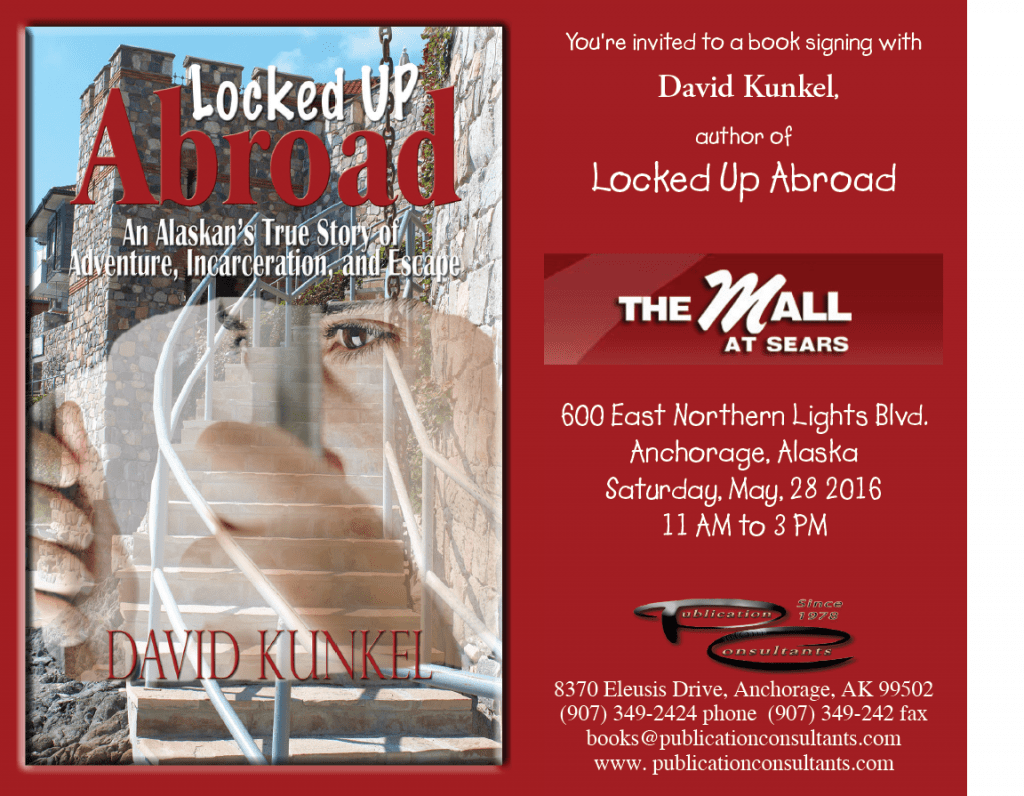
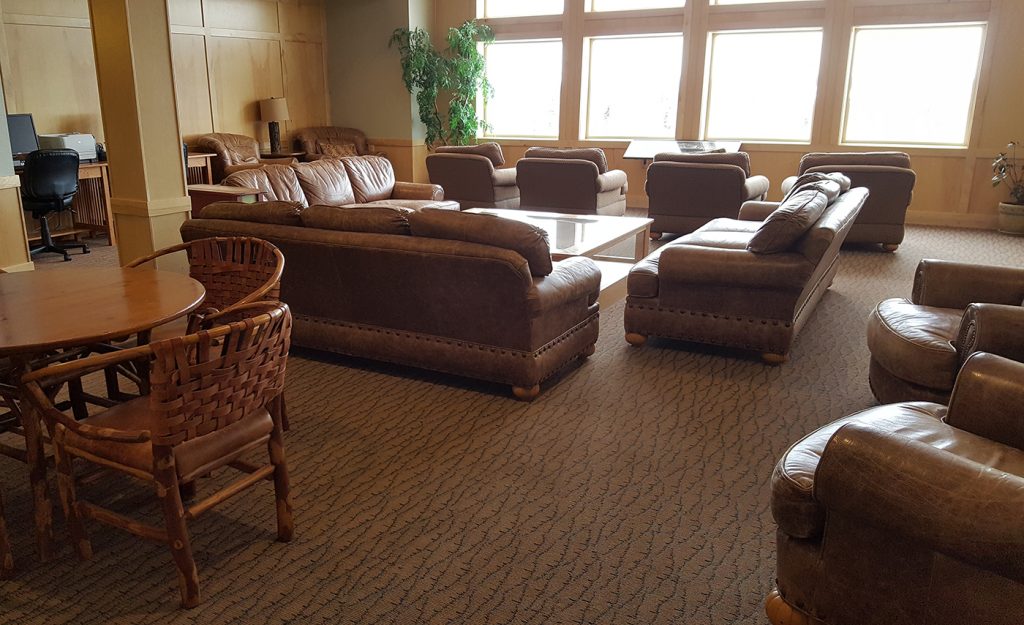
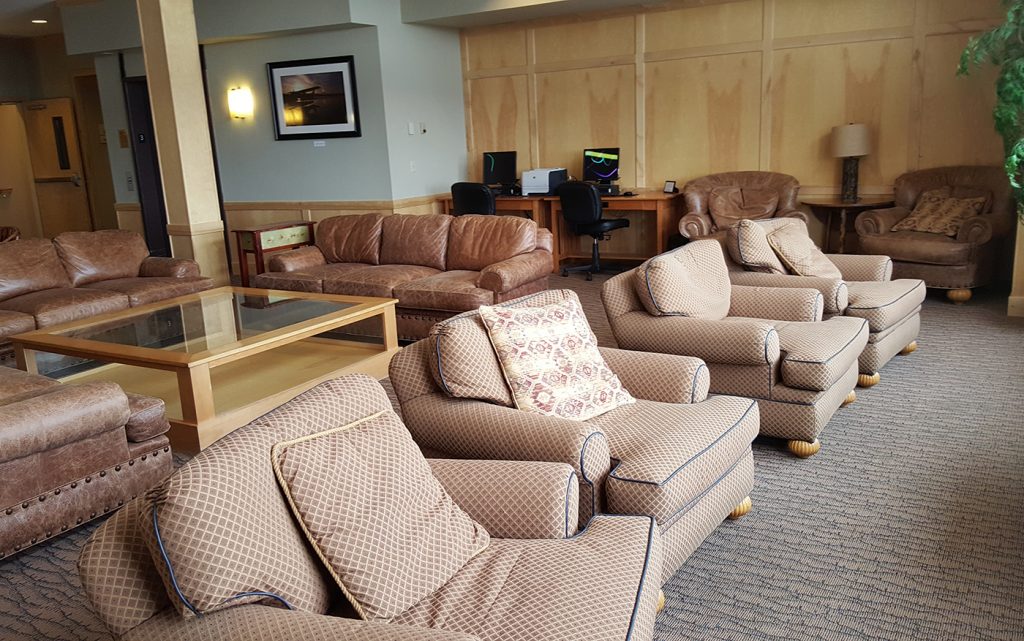
 Costco Book Signings
 eBook Cards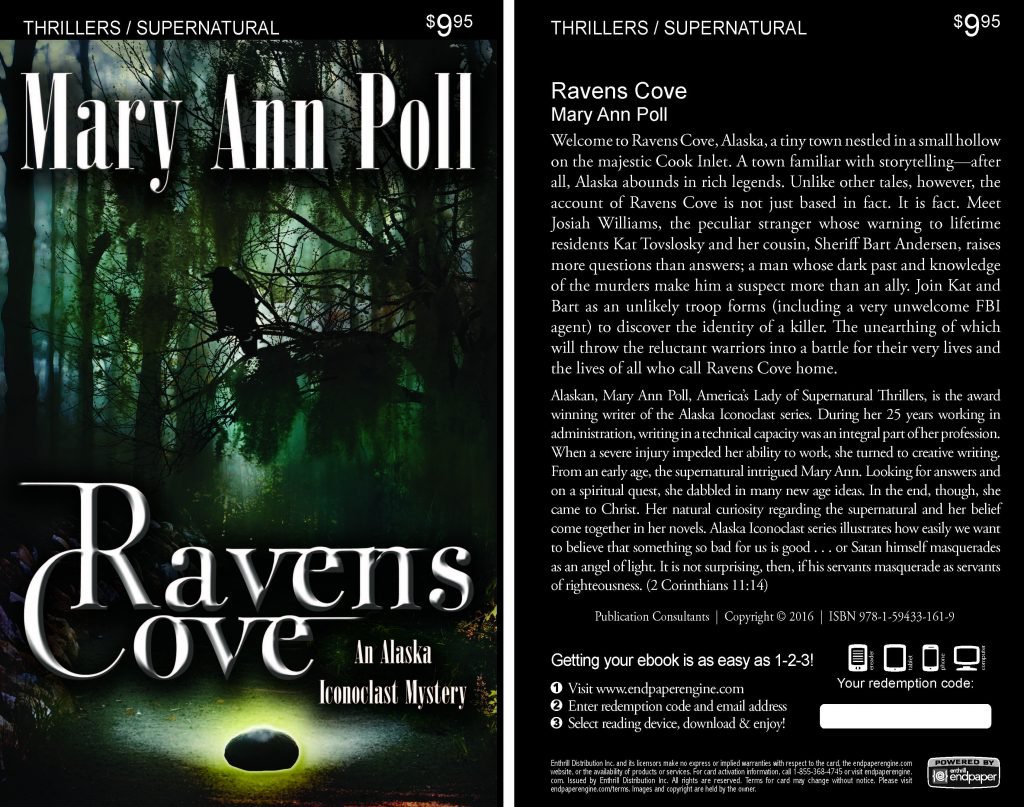

 Benjamin Franklin Award
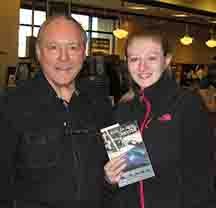 Jim Misko Book Signing at Barnes and Noble
 Cortex is for serious authors and will probably not be of interest to hobbyists. We recorded our Cortex training and information meeting. If you’re a serious author, and did not attend the meeting, and would like to review the training information, kindly let us know. Authors are required to have a Facebook author page to use Cortex.
 Correction:
 We take the quote by Marcella Smith, Small Press Business Manager, Barnes & Noble seriously: “The author is essential to the success of the book, giving energy behind the book to make it something that a customer will come in and ask for. That is what makes the difference in a book that sells, that develops legs, and has a life of its own. Otherwise the book goes on the shelf and stays there for three months. Then it gets returned.”
 This is Publication Consultants’ motivation for constantly striving to assist authors sell and market their books. ACM is Publication Consultants’ plan to accomplish this so that our authors’ books have a reasonable opportunity for success. We know the difference between motion and direction. ACM is direction! ACM is the process for authors who are serious about bringing their books to market. ACM is a boon for serious authors, but a burden for hobbyist. We don’t recommend ACM for hobbyists.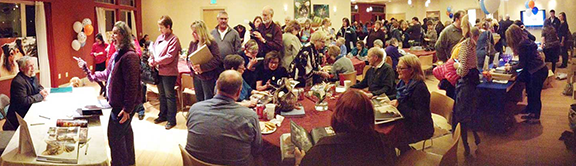

 We’re the only publisher we know of that provides authors with book signing opportunities. Book signing are appropriate for hobbyist and essential for serious authors. To schedule a book signing kindly go to our website, <
 An Author Page on Amazon Author Central is a serious author ACM requirement and desirable for the hobbyist. Author Central is a free resource designed to help authors become more active participants in the promotion of their books. In Author Central you can manage an Author Page, update information about your books, and view Customer Reviews and sales information for your bibliography. If you don’t already have an Author Page on
  We hear authors complain about all the personal stuff on Facebook. Most of these complaints are because the author doesn’t understand the difference difference between a Facebook profile and a Facebook page. Simply put, a profile is for personal things for friends and family; a page is for business. If your book is just a hobby, then it’s fine to have only a Facebook profile and make your posts for friends and family; however, if you’re serious about your writing, and it’s a business with you, or you want it to be business, then you need a Facebook page as an author. It’s simple to tell if it’s a page or a profile. A profile shows how many friends and a page shows how many likes. Here’s a link <> to a straight forward description on how to set up your author Facebook page.
 Active Social Media Participation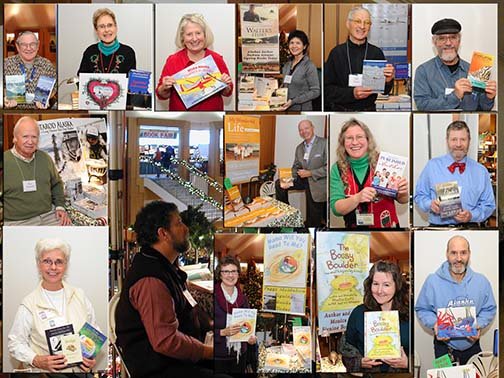


 Mosquito Books has a new location in the Anchorage international airport and is available for signings with 21 days notice. Jim Misko had a signing there yesterday. His signing report included these words, “Had the best day ever at the airport . . ..”


 The Lyin Kings: The Wannabe World Leaders
 Time and Tide


 ReadAlaska 2014
 Readerlink and Book Signings
 2014 Independent Publisher Book Awards Results
 Bonnye Matthews Radio Interview
 Rick Mystrom Radio Interview
 When he published those overseas blogs as the book The Innocents Abroad, it would become a hit. But you couldn’t find it in bookstores.
 More NetGalley
 Mary Ann Poll


 Bumppo
 Computer Spell Checkers
 Seven Things I Learned From a Foreign Email
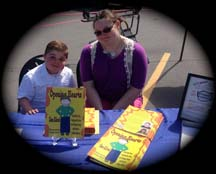 2014 Spirit of Youth Awards
 Book Signings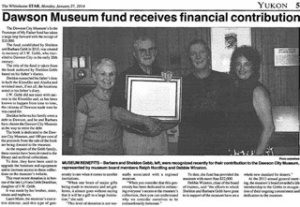
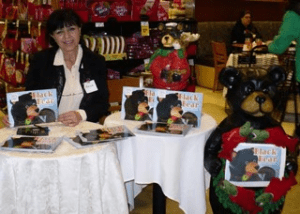
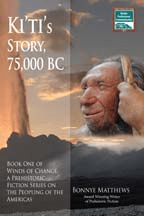
 Blog Talk Radio
 Publication Consultants Blog
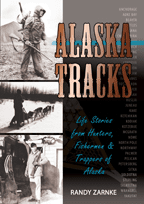 Book Signings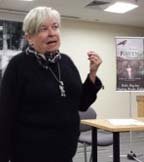

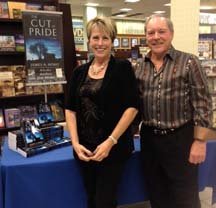

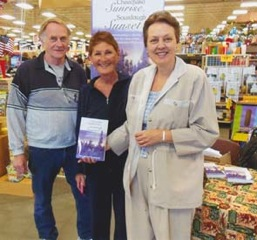 Don and Lanna Langdok
 Ron Walden
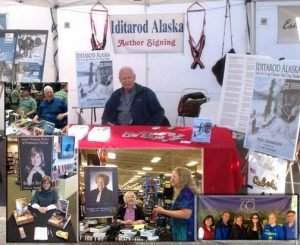 Book Signings Are Fun
 Release Party Video
 Erin’s book,
  Heather’s book,
  New Books