


Writers often believe their greatest challenge sits inside the blank page, yet the real struggle begins long before ink meets paper. It begins with attention. Not the casual kind used to skim headlines or rush through a morning. Not the distracted kind used to juggle screens, conversations, and commitments. The work asks for something deeper, quieter, and more courageous.
Bryan Wish touched on a simple truth when he wrote about the ache of missing moments because his mind drifted somewhere else. His story came from the world of listening, yet it mirrors something writers know. Writing loses its strength when attention wanders. Characters grow thin. Scenes flatten. Ideas float without weight. Bryan discovered a path forward by learning to see people with presence, and artists of words travel a similar road.
Carl Douglass, through his years in neurosurgery and through the pages of Saga of a Neurosurgeon, speaks from another angle. His world demanded precision. Every structure mattered. Every decision carries consequences. He learned early that awareness saves lives. In writing, it saves stories. Precision separates rambling thoughts from ideas carrying enough purpose to live inside a book. Readers feel the difference immediately.
Both writers—one from the operating room, one from a microphone—arrived at the same destination: presence. Their lessons translate easily to the writing desk.
Writing begins with seeing.
Most writers hurry through days filled with noise. Yet nothing in writing rewards speed. Attention works like a slow-burning lamp illuminating corners often ignored: a stray memory, a contradiction inside a character, a truth waiting for someone brave enough to pick it up. Many fine books grew from small details noticed only because a writer paused long enough to look.
Attention honors readers.
When a writer pays close attention—to language, story, rhythm, and emotion—readers feel respected. They sense care inside every sentence. They lean forward because the writing invites them to trust the storyteller. Bryan Wished explained how trust grows when someone feels seen. Books earn trust the same way. Care on the page becomes loyalty in a reader’s hands.
Attention builds clear stories.
Carl Douglass often writes about characters who succeed or fail because they notice things others miss—subtle shifts in a patient’s voice, tension inside a relationship, clues hidden beneath fear. Writers searching for stronger stories can borrow this lesson. Strong plot often begins with simple awareness: watching where pressure rises, where people change, where conflicts simmer. Good writing surfaces what real life tries to hide.
Attention sharpens purpose.
A writer who slows down gains clarity. Clarity moves a project from wandering thoughts to a story carrying direction. Many writers push through drafts fueled by effort alone. Yet insight often arrives during quiet moments, not frantic ones. A long walk. A still morning. A single uninterrupted hour. Writers sometimes need less time and more focus.
An hour of complete presence.
Writers can practice presence the same way Bryan described practicing listening: pause, reflect, breathe, allow silence to do its work. Carl Douglass practiced his own form of presence in operating rooms where no movement could be rushed. Writers rarely face stakes so high, yet their work carries its own gravity. One focused hour each week, free from phones, screens, and interruptions, often unlocks more progress than days spent in distraction.
True writing begins once awareness takes root.
Pay attention to what hurts—stories hiding inside pain often hold the strongest truth.
Pay attention to what stirs hope—readers want light offered with honesty.
Pay attention to the problems characters avoid—conflict, once seen, guides plot.
Pay attention to rhythms inside sentences—voice rises from sound as much as meaning.
Pay attention to life around you—real details grow into authentic scenes.
Mary Oliver once wrote, “To pay attention, this is our endless and proper work.” For writers, attention becomes more than proper work. It becomes fuel, compass, and sharpening stone. Without it, writing grows faint. With it, writing grows strong enough to matter.
This week’s challenge mirrors both Bryan Wish’s insight and Carl Douglass’s discipline:
Find one uninterrupted hour.
Sit with your work.
Listen to what it wants to become.
See what you have been rushing past.
Presence turns good writing into meaningful writing. And meaningful writing is what readers remember.
The Power of Authors: A Rallying Cry for Today’s Writers to Recognize Their Power, Rise to Their Calling, and Write with Moral Conviction. The book is available on Amazon: http://bit.ly/3K6o8AM. If you’d like an autographed copy, you can order it here: http://bit.ly/4pgmzjM.


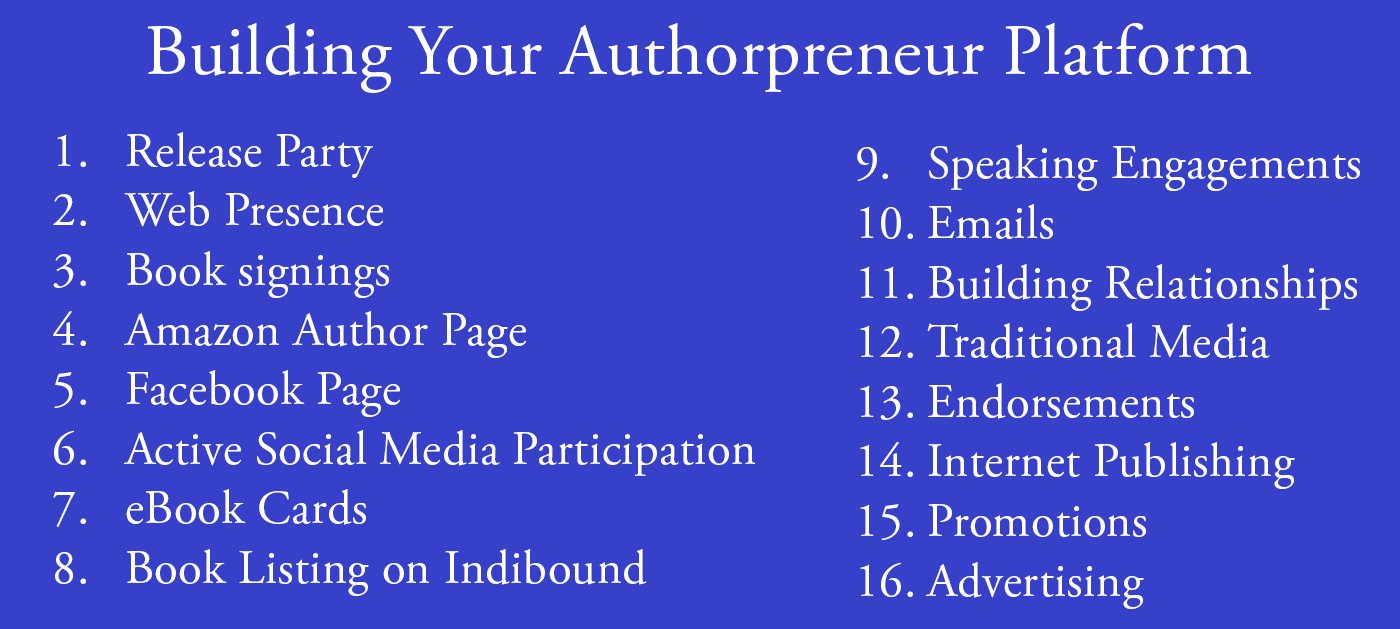

 Author Campaign Method (ACM) for Authorpreneurs
 This is Publication Consultants’ motivation for constantly striving to assist authors sell and market their books. Author Campaign Method (ACM) of sales and marketing is Publication Consultants’ plan to accomplish this so that our authors’ books have a reasonable opportunity for success. We know the difference between motion and direction. ACM is direction! ACM is the process for authorpreneurs who are serious about bringing their books to market. ACM is a boon for them.
 Release Party
 Web Presence
 Book Signings
 Amazon Author Page
 Facebook Profile and Facebook Page
 Active Social Media Participation
 Ebook Cards
 The Great Alaska Book Fair: October 8, 2016


 Costco Book Signings
 eBook Cards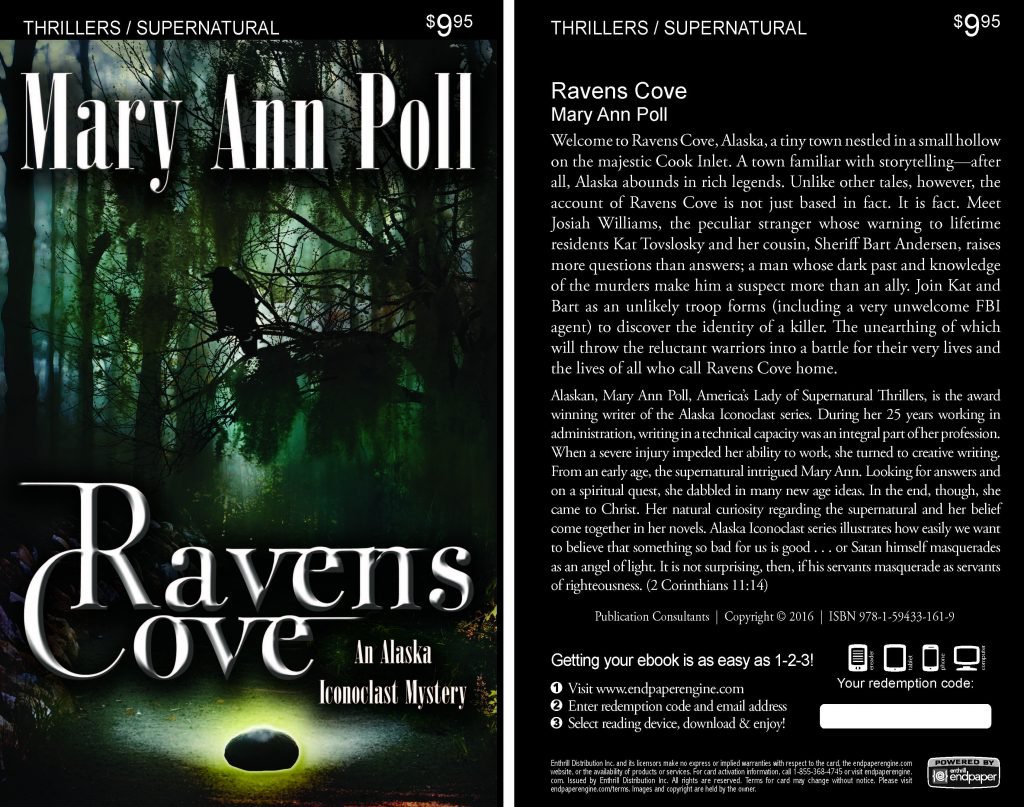

 Benjamin Franklin Award
 Jim Misko Book Signing at Barnes and Noble
 Cortex is for serious authors and will probably not be of interest to hobbyists. We recorded our Cortex training and information meeting. If you’re a serious author, and did not attend the meeting, and would like to review the training information, kindly let us know. Authors are required to have a Facebook author page to use Cortex.
 Correction:
 We take the quote by Marcella Smith, Small Press Business Manager, Barnes & Noble seriously: “The author is essential to the success of the book, giving energy behind the book to make it something that a customer will come in and ask for. That is what makes the difference in a book that sells, that develops legs, and has a life of its own. Otherwise the book goes on the shelf and stays there for three months. Then it gets returned.”
 This is Publication Consultants’ motivation for constantly striving to assist authors sell and market their books. ACM is Publication Consultants’ plan to accomplish this so that our authors’ books have a reasonable opportunity for success. We know the difference between motion and direction. ACM is direction! ACM is the process for authors who are serious about bringing their books to market. ACM is a boon for serious authors, but a burden for hobbyist. We don’t recommend ACM for hobbyists.

 We’re the only publisher we know of that provides authors with book signing opportunities. Book signing are appropriate for hobbyist and essential for serious authors. To schedule a book signing kindly go to our website, <
 An Author Page on Amazon Author Central is a serious author ACM requirement and desirable for the hobbyist. Author Central is a free resource designed to help authors become more active participants in the promotion of their books. In Author Central you can manage an Author Page, update information about your books, and view Customer Reviews and sales information for your bibliography. If you don’t already have an Author Page on
  We hear authors complain about all the personal stuff on Facebook. Most of these complaints are because the author doesn’t understand the difference difference between a Facebook profile and a Facebook page. Simply put, a profile is for personal things for friends and family; a page is for business. If your book is just a hobby, then it’s fine to have only a Facebook profile and make your posts for friends and family; however, if you’re serious about your writing, and it’s a business with you, or you want it to be business, then you need a Facebook page as an author. It’s simple to tell if it’s a page or a profile. A profile shows how many friends and a page shows how many likes. Here’s a link <> to a straight forward description on how to set up your author Facebook page.
 Active Social Media Participation


 Mosquito Books has a new location in the Anchorage international airport and is available for signings with 21 days notice. Jim Misko had a signing there yesterday. His signing report included these words, “Had the best day ever at the airport . . ..”


 The Lyin Kings: The Wannabe World Leaders
 Time and Tide


 ReadAlaska 2014
 Readerlink and Book Signings
 2014 Independent Publisher Book Awards Results
 Bonnye Matthews Radio Interview
 Rick Mystrom Radio Interview
 When he published those overseas blogs as the book The Innocents Abroad, it would become a hit. But you couldn’t find it in bookstores.
 More NetGalley
 Mary Ann Poll


 Bumppo
 Computer Spell Checkers
 Seven Things I Learned From a Foreign Email
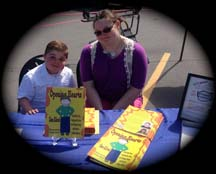 2014 Spirit of Youth Awards
 Book Signings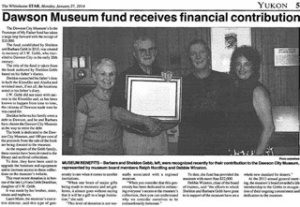


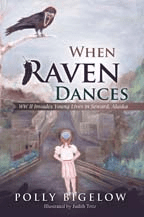 Blog Talk Radio
 Publication Consultants Blog
 Book Signings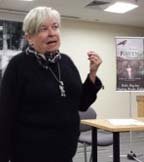

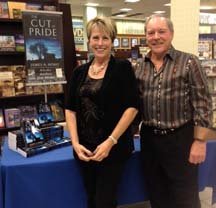

 Don and Lanna Langdok
 Ron Walden
 Book Signings Are Fun
 Release Party Video
 Erin’s book,
  Heather’s book,
  New Books