

Cedar Valley News — March 19, 2026
Culture and Craft: What the Phones Were Hiding
By: Chloe Papadakis
From the fictional town of Cedar Valley, where characters
from Quiet Echo continue to respond to real-world events.
 New York City banned phones in schools this year. The ban worked. Students are more focused. They are socializing at lunch. They are getting to class on time. But the ban uncovered something nobody expected. When the phones were put away, the students looked up at the walls — and could not read the clocks.
Tiana Millen, an assistant principal at Cardozo High School in Queens, told Gothamist the phone ban revealed many teenagers cannot tell time on an analog clock. They do not know where the minute hand is. They do not know how much time is left in the exam. The school has clocks on every wall. The students have been looking past them for years.
This is not a story about clocks. It is a story about what the phones were hiding.
Schools in the United Kingdom began removing analog clocks from exam rooms because students could not read them. Cursive handwriting was dropped from most American school curricula during the 2010s. At Florida Gulf Coast University, archivists discovered student workers could not read letters and diaries in the collection — not because the documents were damaged, but because they were written in cursive.
I wrote two weeks ago about screen time — five hours a day for children between eight and 12. I wrote about my daughter standing in the backyard not knowing what to do, then finding a stick and inventing a game. The yard was still there. We just had to walk her to it. The clocks are still there too. So is cursive. So is the ability to read a paper map, to do arithmetic without a calculator, to tie a knot, to address an envelope. None of these skills are obsolete. They were just standing behind the screen, waiting for someone to notice they were gone.
My daughter is three. Yesterday she picked up a crayon for the first time on purpose. Not to eat it. To use it. She pressed it against the paper and dragged it sideways and looked at the mark she made and then looked at me as if to say: I did something.
She did. Her hand closed around the crayon with intention, and her eyes followed the mark, and something connected between her fingers and her brain. I do not know what to call it except the beginning of handwriting.
I keep a box of letters my mother wrote to her family in Greece when she first came to America. They are in Greek, in cursive, in blue ink on thin paper. I cannot read Greek, but I can read the shape of her hand — the way the words slope when she was tired, the way the pen pressed harder when she was certain. If my daughter never learns cursive, she will never see what I see when I hold those pages. She will see marks. I see my mother’s voice.
Think this through.
Lars would understand this. He sells tools. A person who cannot read a tape measure cannot build a shelf, no matter how many videos they watch. Teresa understands it better than any of us. She was a teacher before she was an editor, and she saw this coming before the rest of us looked up.
My daughter has 15 years before she leaves this house. In those years I will teach her to read a clock, write her name in cursive, find north without a phone, and hold a pencil the way my mother held a pen — with intention. Not because these skills are practical every day. Because they are hers. They belong to her the way her grandmother’s handwriting belongs to the letters in the box. They are inheritance. And inheritance does not arrive through a screen.
The crayon is still on the table. The red line is still on the paper. She does not know it yet, but she started something yesterday. I intend to make sure she finishes it.
This editorial is part of the fictional Cedar Valley News series, written by Evan Swensen, Publisher, Publication Consultants, and Claude Marshall, AI Developmental Editor. While the people and town are fictional, the national events they reflect on are real.
The front porch is open. Readers of the Cedar Valley News are gathering on Facebook to respond to the editorials, share their own stories, and join a conversation built on respect, honesty, and no party lines. Come sit with us. https://bit.ly/40p8jKy


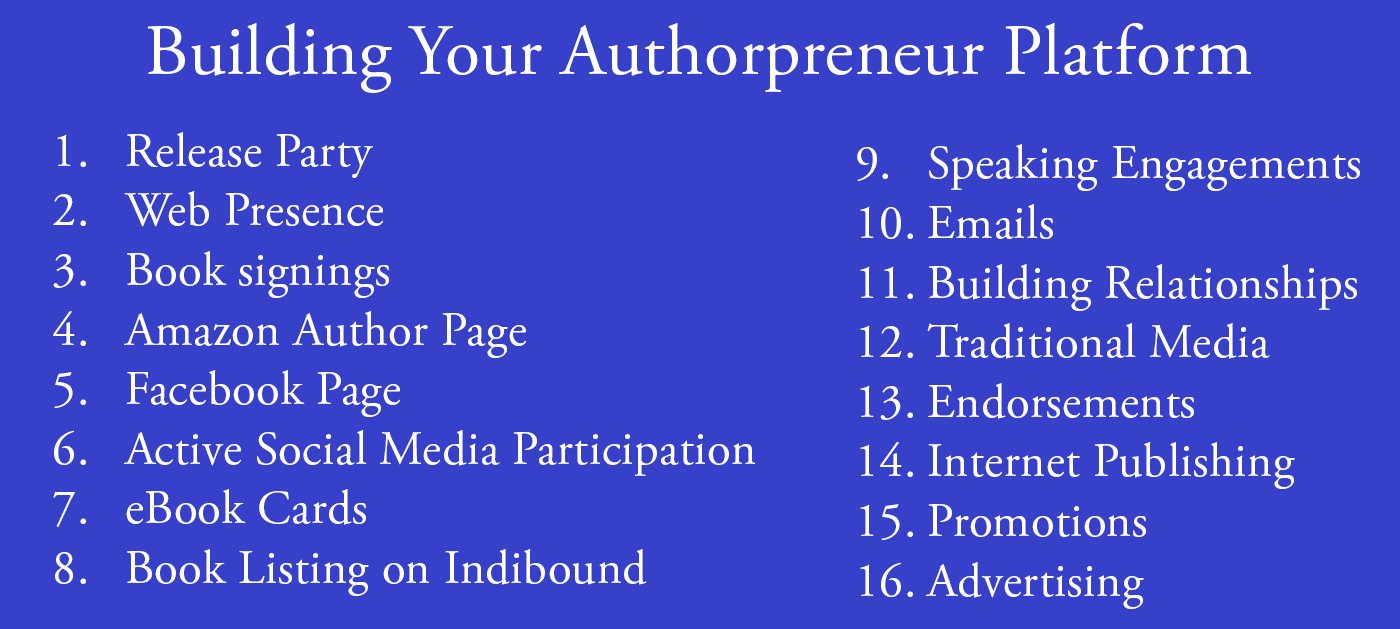

 Author Campaign Method (ACM) for Authorpreneurs
 This is Publication Consultants’ motivation for constantly striving to assist authors sell and market their books. Author Campaign Method (ACM) of sales and marketing is Publication Consultants’ plan to accomplish this so that our authors’ books have a reasonable opportunity for success. We know the difference between motion and direction. ACM is direction! ACM is the process for authorpreneurs who are serious about bringing their books to market. ACM is a boon for them.
 Release Party
 Web Presence
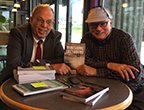 Book Signings
 Amazon Author Page
 Facebook Profile and Facebook Page
 Active Social Media Participation
 Ebook Cards
 The Great Alaska Book Fair: October 8, 2016

 Costco Book Signings
 eBook Cards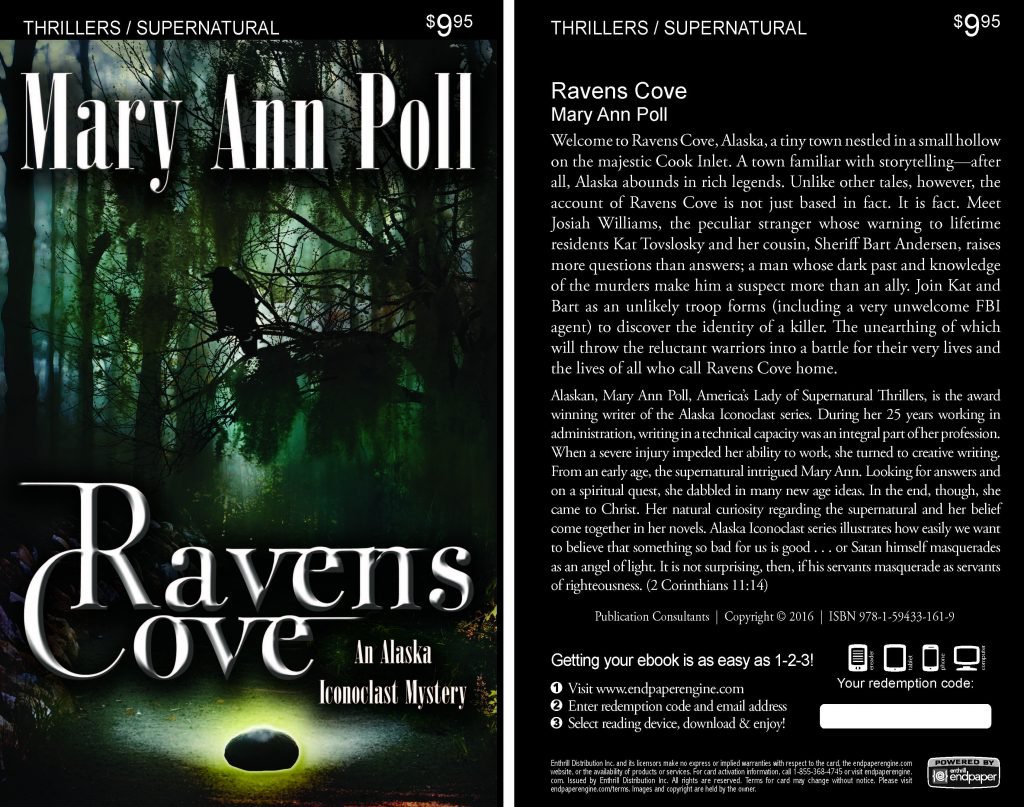

 Benjamin Franklin Award
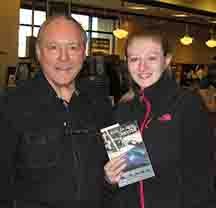 Jim Misko Book Signing at Barnes and Noble
 Cortex is for serious authors and will probably not be of interest to hobbyists. We recorded our Cortex training and information meeting. If you’re a serious author, and did not attend the meeting, and would like to review the training information, kindly let us know. Authors are required to have a Facebook author page to use Cortex.
 Correction:
 We take the quote by Marcella Smith, Small Press Business Manager, Barnes & Noble seriously: “The author is essential to the success of the book, giving energy behind the book to make it something that a customer will come in and ask for. That is what makes the difference in a book that sells, that develops legs, and has a life of its own. Otherwise the book goes on the shelf and stays there for three months. Then it gets returned.”
 This is Publication Consultants’ motivation for constantly striving to assist authors sell and market their books. ACM is Publication Consultants’ plan to accomplish this so that our authors’ books have a reasonable opportunity for success. We know the difference between motion and direction. ACM is direction! ACM is the process for authors who are serious about bringing their books to market. ACM is a boon for serious authors, but a burden for hobbyist. We don’t recommend ACM for hobbyists.

 We’re the only publisher we know of that provides authors with book signing opportunities. Book signing are appropriate for hobbyist and essential for serious authors. To schedule a book signing kindly go to our website, <
 An Author Page on Amazon Author Central is a serious author ACM requirement and desirable for the hobbyist. Author Central is a free resource designed to help authors become more active participants in the promotion of their books. In Author Central you can manage an Author Page, update information about your books, and view Customer Reviews and sales information for your bibliography. If you don’t already have an Author Page on
  We hear authors complain about all the personal stuff on Facebook. Most of these complaints are because the author doesn’t understand the difference difference between a Facebook profile and a Facebook page. Simply put, a profile is for personal things for friends and family; a page is for business. If your book is just a hobby, then it’s fine to have only a Facebook profile and make your posts for friends and family; however, if you’re serious about your writing, and it’s a business with you, or you want it to be business, then you need a Facebook page as an author. It’s simple to tell if it’s a page or a profile. A profile shows how many friends and a page shows how many likes. Here’s a link <> to a straight forward description on how to set up your author Facebook page.
 Active Social Media Participation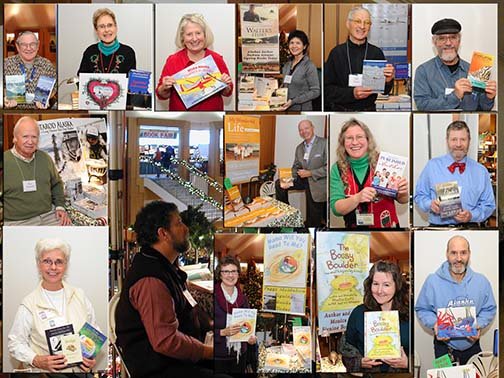


 Mosquito Books has a new location in the Anchorage international airport and is available for signings with 21 days notice. Jim Misko had a signing there yesterday. His signing report included these words, “Had the best day ever at the airport . . ..”


 The Lyin Kings: The Wannabe World Leaders
 Time and Tide


 ReadAlaska 2014
 Readerlink and Book Signings
 2014 Independent Publisher Book Awards Results
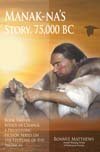
 Bonnye Matthews Radio Interview
 Rick Mystrom Radio Interview
 When he published those overseas blogs as the book The Innocents Abroad, it would become a hit. But you couldn’t find it in bookstores.
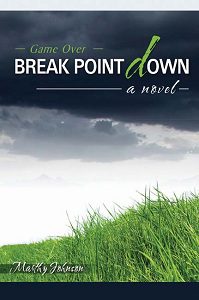 More NetGalley
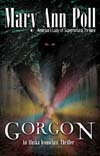 Mary Ann Poll


 Bumppo
 Computer Spell Checkers
 Seven Things I Learned From a Foreign Email
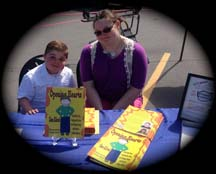 2014 Spirit of Youth Awards
 Book Signings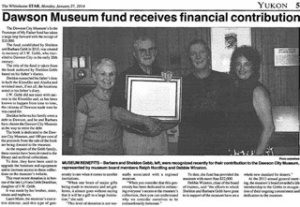

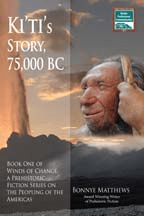
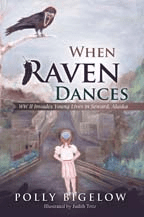 Blog Talk Radio
 Publication Consultants Blog
 Book Signings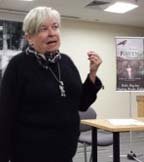

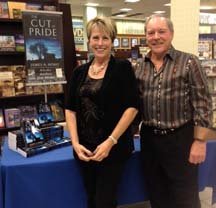

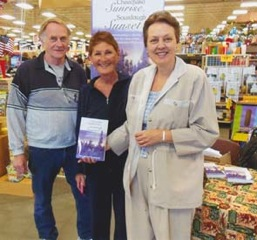 Don and Lanna Langdok
 Ron Walden
 Book Signings Are Fun
 Release Party Video
 Erin’s book,
  Heather’s book,
  New Books