


Cedar Valley News — March 14, 2026
What We Are Made Of
By: Aisha Khalid, M.D.
From the fictional town of Cedar Valley, where characters from Quiet Echo continue to respond to real-world events.
Right now, as you read this, nearly two thousand young athletes from eight regions of the circumpolar North are competing in Whitehorse, Yukon. The Arctic Winter Games started March 8 and will close tomorrow. Teams from Alaska, Yukon, Northwest Territories, Nunavut, Northern Alberta, Northern Quebec, Greenland, and the Sápmi region of Scandinavia are playing twenty sports in a city of twenty-eight thousand people where the temperature has not climbed above freezing all week.
Most of you have never heard of these Games. The networks do not cover them. No celebrity endorsements. No billion-dollar broadcast deals. The athletes are teenagers from places most Americans could not find on a map — Inuvik, Iqaluit, Whale Cove, Nome. They travel thousands of miles to compete in sports ranging from hockey and volleyball to the one-foot high kick and the knuckle hop. The ulu — a traditional Inuit cutting tool — is their medal.
The Games were founded in 1970 after northern athletes realized they could not compete on equal terms at national events. Their communities were too small, their training pools too shallow, their distances too vast. So, they built something of their own. Alaska was there from the beginning. Governor Walter Hickel helped create the Games alongside leaders from the Yukon and Northwest Territories. The idea was simple: let northern athletes compete on their own terms, on their own ground.
In 2020, the Games were set to return to Whitehorse for the fiftieth anniversary. A copper cauldron was designed for the occasion — four shields shaped like children, eyes opening, facing north. COVID cancelled the Games days before opening. The cauldron sat unlit for six years. Last Sunday, it was finally lit. Fireworks over the Yukon River. Two thousand athletes marching into Shipyards Park. A flame six years in the waiting.
I keep thinking about what did not happen during those six years. The teenagers who were fourteen in 2020 are twenty now. They aged out. Their Games never happened. They trained, they qualified, and the world shut down. No medal. No ceremony. No moment under the lights. Some of them are now coaching the younger athletes who marched last Sunday. They handed the dream forward because the dream was bigger than their turn.
George and I have ten-year-old twins. Maryam runs faster than most of the boys in her class. Trevor can throw a ball with an accuracy I cannot explain genetically, because neither George nor I could hit the side of a barn. In a few years, they will be old enough to try out for something, to represent something, to walk into a gym wearing a jersey with a name on the back and understand what it means to carry more than their own ambitions.
The Arctic Winter Games give young people from the smallest, most remote communities in the world exactly this. A girl from a village of three hundred people in Nunavut stands on the same floor as an athlete from Anchorage. A boy from northern Norway competes alongside a teenager from Greenland who traveled by boat and plane to get there. They do not speak the same language. They trade pins. They trade jackets. By closing ceremonies, athletes arrive wearing each other’s gear — Alaska blue mixed with Yukon red, Greenland green next to Sápmi blue. The trading is not a side event. It is the point.
To be sure, these are competitive Games. Alaska leads the medal count with over a hundred seventy ulus. Records have been broken. Matches have been fierce. Nobody flies to the Yukon in March to lose gracefully. But the competition exists inside something larger — a gathering of communities too small to be seen by the wider world, standing together and saying: we are here. We made it. Watch what we can do.
The theme of the 2026 Games is “What We Are Made Of.” I cannot think of a better question for any young person — or any community — to carry home.
What are you made of? Not what do you own. Not what do you consume. What are you made of — when the lights go on, the temperature drops, and nobody is watching but the people who came with you?
Cedar Valley is a small town. We understand the question.
This editorial is part of the fictional Cedar Valley News series, written by Evan Swensen, Publisher, Publication Consultants, and Claude Marshall, AI Developmental Editor. While the people and town are fictional, the national events they reflect on are real.
The front porch is open. Readers of the Cedar Valley News are gathering on Facebook to respond to the editorials, share their own stories, and join a conversation built on respect, honesty, and no party lines. Come sit with us. https://bit.ly/40p8jKy


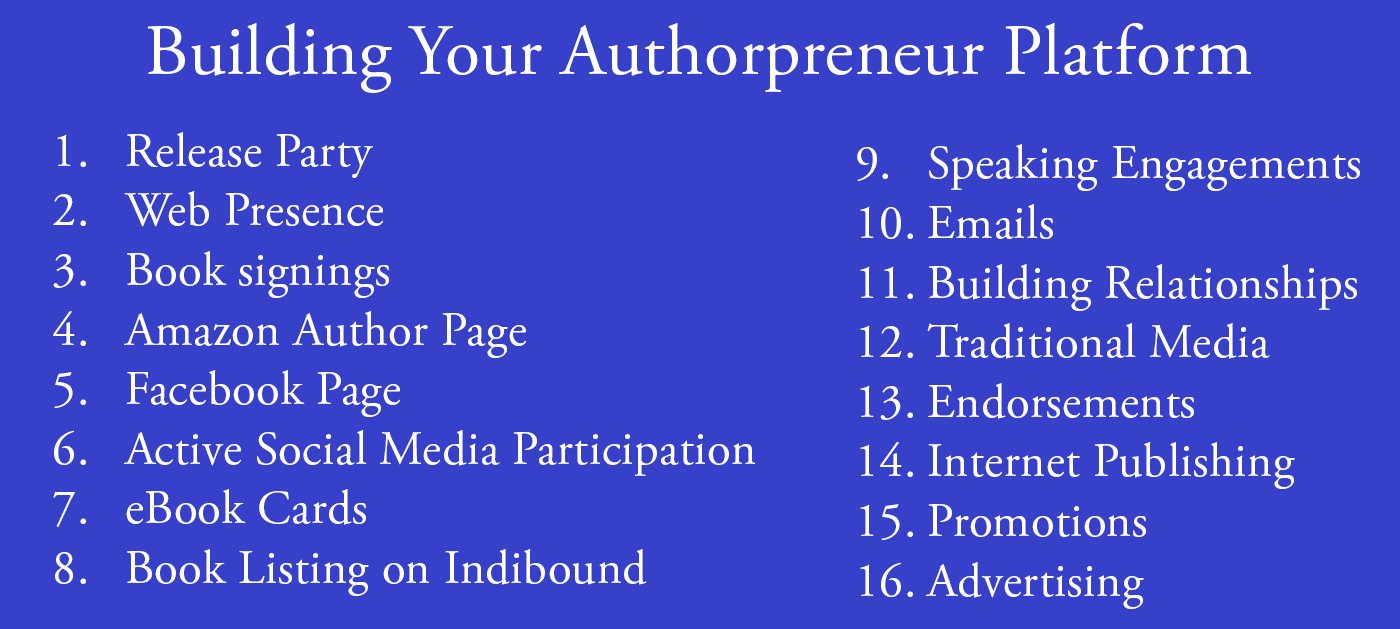

 Author Campaign Method (ACM) for Authorpreneurs
 This is Publication Consultants’ motivation for constantly striving to assist authors sell and market their books. Author Campaign Method (ACM) of sales and marketing is Publication Consultants’ plan to accomplish this so that our authors’ books have a reasonable opportunity for success. We know the difference between motion and direction. ACM is direction! ACM is the process for authorpreneurs who are serious about bringing their books to market. ACM is a boon for them.
 Release Party
 Web Presence
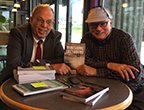 Book Signings
 Amazon Author Page
 Facebook Profile and Facebook Page
 Active Social Media Participation
 Ebook Cards
 The Great Alaska Book Fair: October 8, 2016

 Costco Book Signings
 eBook Cards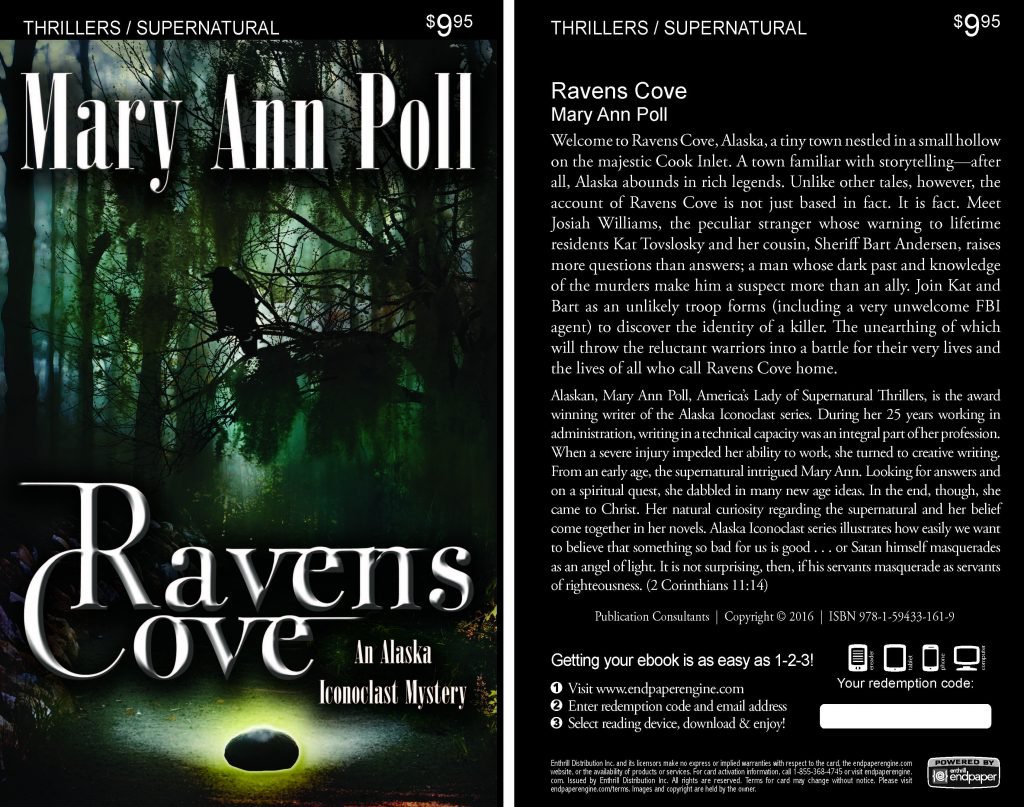

 Benjamin Franklin Award
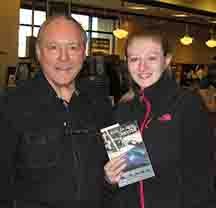 Jim Misko Book Signing at Barnes and Noble
 Cortex is for serious authors and will probably not be of interest to hobbyists. We recorded our Cortex training and information meeting. If you’re a serious author, and did not attend the meeting, and would like to review the training information, kindly let us know. Authors are required to have a Facebook author page to use Cortex.
 Correction:
 We take the quote by Marcella Smith, Small Press Business Manager, Barnes & Noble seriously: “The author is essential to the success of the book, giving energy behind the book to make it something that a customer will come in and ask for. That is what makes the difference in a book that sells, that develops legs, and has a life of its own. Otherwise the book goes on the shelf and stays there for three months. Then it gets returned.”
 This is Publication Consultants’ motivation for constantly striving to assist authors sell and market their books. ACM is Publication Consultants’ plan to accomplish this so that our authors’ books have a reasonable opportunity for success. We know the difference between motion and direction. ACM is direction! ACM is the process for authors who are serious about bringing their books to market. ACM is a boon for serious authors, but a burden for hobbyist. We don’t recommend ACM for hobbyists.

 We’re the only publisher we know of that provides authors with book signing opportunities. Book signing are appropriate for hobbyist and essential for serious authors. To schedule a book signing kindly go to our website, <
 An Author Page on Amazon Author Central is a serious author ACM requirement and desirable for the hobbyist. Author Central is a free resource designed to help authors become more active participants in the promotion of their books. In Author Central you can manage an Author Page, update information about your books, and view Customer Reviews and sales information for your bibliography. If you don’t already have an Author Page on
  We hear authors complain about all the personal stuff on Facebook. Most of these complaints are because the author doesn’t understand the difference difference between a Facebook profile and a Facebook page. Simply put, a profile is for personal things for friends and family; a page is for business. If your book is just a hobby, then it’s fine to have only a Facebook profile and make your posts for friends and family; however, if you’re serious about your writing, and it’s a business with you, or you want it to be business, then you need a Facebook page as an author. It’s simple to tell if it’s a page or a profile. A profile shows how many friends and a page shows how many likes. Here’s a link <> to a straight forward description on how to set up your author Facebook page.
 Active Social Media Participation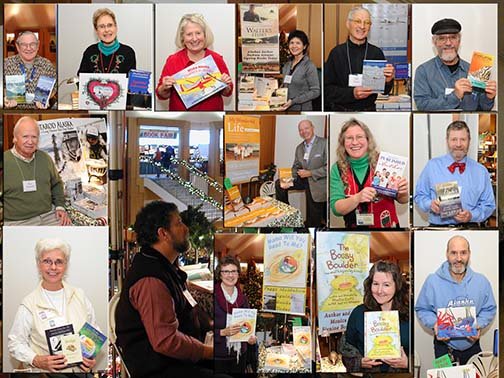


 Mosquito Books has a new location in the Anchorage international airport and is available for signings with 21 days notice. Jim Misko had a signing there yesterday. His signing report included these words, “Had the best day ever at the airport . . ..”


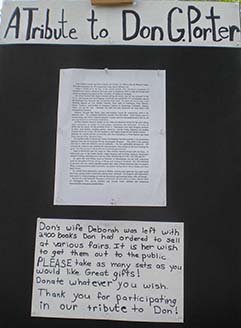
 The Lyin Kings: The Wannabe World Leaders
 Time and Tide


 ReadAlaska 2014
 Readerlink and Book Signings
 2014 Independent Publisher Book Awards Results
 Bonnye Matthews Radio Interview
 Rick Mystrom Radio Interview
 When he published those overseas blogs as the book The Innocents Abroad, it would become a hit. But you couldn’t find it in bookstores.
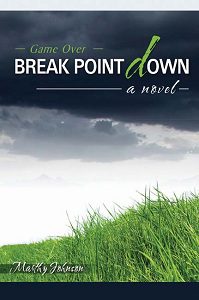 More NetGalley
 Mary Ann Poll


 Bumppo
 Computer Spell Checkers
 Seven Things I Learned From a Foreign Email
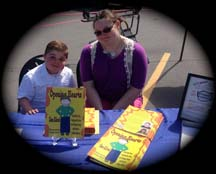 2014 Spirit of Youth Awards
 Book Signings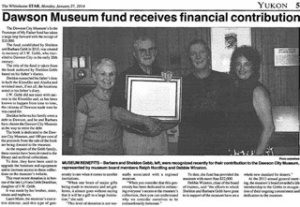

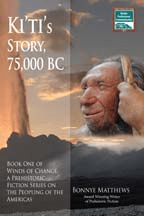
 Blog Talk Radio
 Publication Consultants Blog
 Book Signings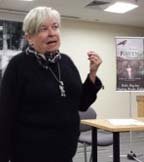

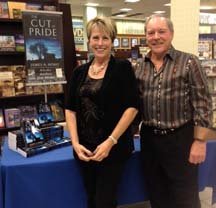

 Don and Lanna Langdok
 Ron Walden
 Book Signings Are Fun
 Release Party Video
 Erin’s book,
  Heather’s book,
  New Books