

When She Couldn’t Go Home
 In September 2026, Isabel Allende released her thirty-third book.
She is eighty-three years old. She has written thirty-two books before this one. Eighty million copies sold. Dozens of languages. Half a century of working mornings.
The new book is called Story Telling: A Writing Life. It is a memoir about the craft — how she does it, why she does it, what writing has cost her and what it has given back. It is, in its way, a letter from a writer who has been writing a very long time, addressed to writers who are wondering whether it is worth it.
The address is fitting. Her career began with a letter.
In January 1981, her grandfather was dying in Chile.
Allende was in Caracas. She had left Chile in 1975, after the coup made staying too dangerous, and she had been living in Venezuela ever since. Her grandfather was old and ill and would not leave his house for a clinic. He was a man she loved and could not reach.
She wrote to him.
She wrote him the stories they had shared together. She put on paper the things she could not give him in person — her presence, her voice, the memories belonging only to the two of them. She wrote and she wrote, and what she was writing kept growing, and eventually it became her first novel.
The House of the Spirits.
Her grandfather died before she finished writing. She kept writing anyway.
She has begun every new book on January 8 ever since — the anniversary of the day she first sat down to write.
Allende was not the first Chilean woman writer to do her most important work far from home.
Gabriela Mistral spent most of her adult life outside Chile, moving from diplomatic post to diplomatic post across three continents. She was a schoolteacher in the north of Chile when her first collection, Desolación — Desolation — was published in New York in 1922. The poems had been gathered by teachers who had been moved by them and wanted the world to find them. Mistral had written them from grief, and sent them into the world without much certainty about where they would land.
In 1945, the Nobel Prize in Literature was awarded to Gabriela Mistral — the first time it went to a Latin American writer. She was in Petrópolis, Brazil, serving as Chile’s consul, as she had served at posts across Europe and the Americas for years. She heard the news far from home. Her poems were by then in textbooks across Latin America — read in classrooms she had never visited, by children she had never met, in towns she had never seen.
She did not need to be home to reach home. The writing had already traveled.
Allende’s new memoir arrives now, in September 2026. It is not a manual. It is a life — thirty-two books, eighty million readers, and one letter a woman wrote in Caracas to a grandfather dying in Santiago, not because it would become a novel, but because she had no other way to reach him. In Story Telling: A Writing Life, she offers what she has learned about writing. What she cannot separate from the lessons is where the writing came from: exile, grief, distance, and the one thing she could still do from where she was.
The Power of Authors points here. Not to talent as the condition of writing, or to ease, or to the right desk and the right hour. Both Allende and Mistral wrote under conditions writers spend their lives trying to escape. Both wrote from displacement and grief. Neither waited.
You have seen something. You were in a room no one else was in. You are carrying something no one else is carrying.
Write it down. It does not have to begin as a book. A letter will do. Begin there, where Allende began: with the one person you need to reach, and the words you cannot leave unsaid.
Eighty million people have read what she started writing in January 1981.
She was just trying to say goodbye.
Discover why purpose is the foundation of every sentence worth writing in The Power of Authors by Evan and Lois Swensen.
The Power of Authors is available from Amazon or your favorite bookseller: https://www.amazon.com/dp/1594338698. If you’d like an autographed copy, you can order it here: http://bit.ly/4pgmzjM.


 When I first met Weston Fields, he looked every bit the Kodiak fisherman — rubber boots, suspenders, wool shirt. He was there to support his mother, who had written a book about ranching history on the island. She spoke first. He said almost nothing. When he finally did, it was to tell me — gently — he had already edited her manuscript.
 It is the summer of 1951. London is still pockmarked with bomb sites. Food is still rationed. Men who survived the Burma Railway, the North Atlantic convoys, the firebombing of cities have come home to a country worn to nothing by six years of war and five more of austerity. The war ended in 1945. The damage did not.
 Robin Barefield lives in the wilderness on Kodiak Island, where she and her husband own a remote lodge. She wrote her first novel, Murder Over Kodiak, powered by a generator, miles from the nearest road. No MFA. No publishing connections. No high-speed internet.
 A reader once walked into a bookstore and said, “I’m looking for a mystery set in Alaska.” The bookseller reached for a shelf and handed her a book.
 The ceremony is the same every year. The names are the same. The readers change — grown children now where small children once stood, grandchildren where children once stood. The memorial pools fill the footprints of the towers. The water falls continuously.
 Open a browser you do not normally use. Type your name. Hit search.
 He had grown up in Bujumbura, the capital — the son of a French father and a Rwandan Tutsi mother. In 1994, the genocide in neighboring Rwanda killed between 500,000 and 800,000 people in one hundred days. Civil war followed in Burundi. His family left. He grew up in France.
 The morning after. The folding tables are back in the garage. The leftover food is in the refrigerator. The unsold books are stacked on the dining room table. The banner is rolled up in the corner.
 Lee came to the United States from Seoul at age three, with his mother and sister, to join his father, a psychiatrist who had immigrated earlier. He grew up in Westchester County, outside New York City. As a child, he often translated for his Korean-speaking mother. He stood between two languages for her, carrying her words into English and the world’s words back to her.
 Monday morning. A bookstore manager sits down with forty-seven unread messages. She has an hour before the store opens. She is deciding which emails deserve her attention and which ones can wait.
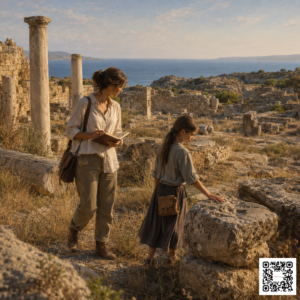 The novelist Ella Camposanto has arrived in Sicily with her twelve-year-old daughter, Manuela. They are staying near the ruins where the narrator’s grandmother once worked on an archaeological dig. The summer is full of volcanic rumbles and sudden storms. The narrator’s mother is beginning to forget.
 When I was publishing Alaska Outdoors magazine, the head of the journalism department at the University of Alaska sent me a submission. It was so poorly written, I took it for a joke. I answered it as a joke, only to learn the author was serious. He simply had such an inflated self-image; his writing read like a spoof. It was no spoof.
 At 8:15 on the morning of August 6, 1945, Kiyoshi Tanimoto was on the outskirts of Hiroshima, unloading a handcart at a house in the suburb of Koi. He was two miles from the city center. He had slept poorly — the overnight air-raid warnings had kept him up — and he had risen early and set out with the cart.
 Two books publish on the same Tuesday.
 Among the nineteen longlisted novelists this year are writers who have been writing for a long time before this first novel existed.
 You check your Amazon page for the first time after your launch team has done its work. The reviews are there. Three in the first week. Your heart lifts. Then you notice the label beneath one of them.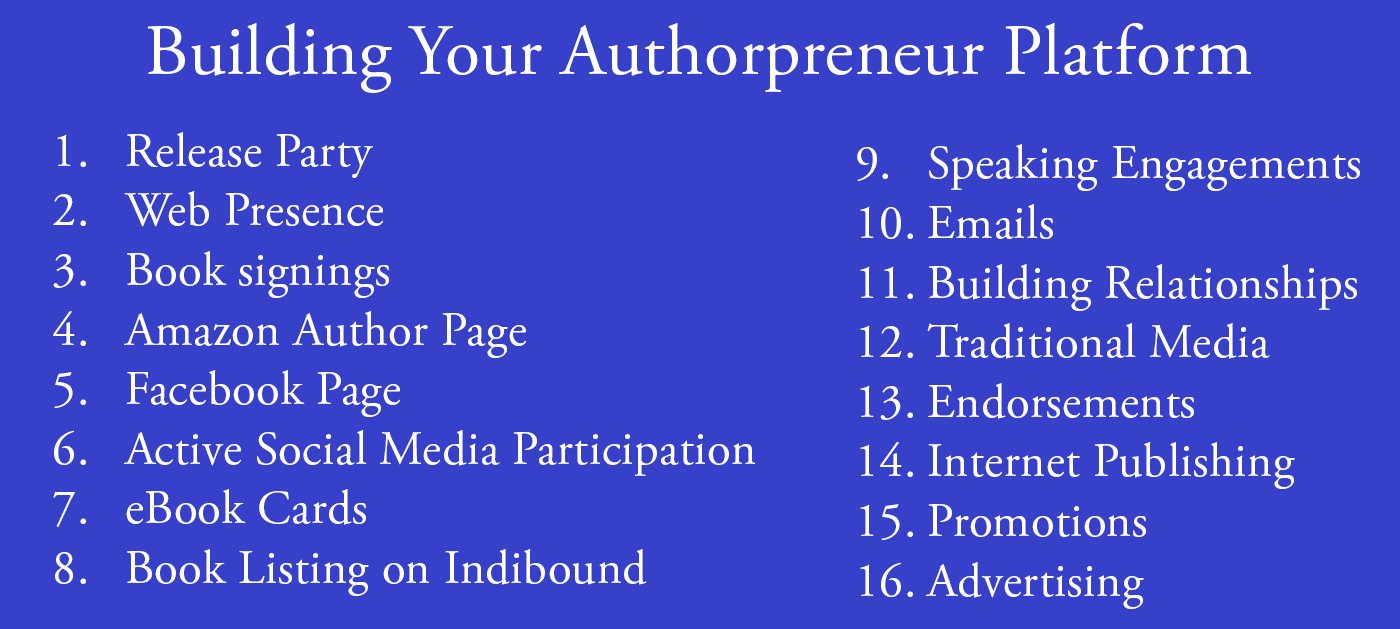
 Author Campaign Method (ACM) for Authorpreneurs
 This is Publication Consultants’ motivation for constantly striving to assist authors sell and market their books. Author Campaign Method (ACM) of sales and marketing is Publication Consultants’ plan to accomplish this so that our authors’ books have a reasonable opportunity for success. We know the difference between motion and direction. ACM is direction! ACM is the process for authorpreneurs who are serious about bringing their books to market. ACM is a boon for them.
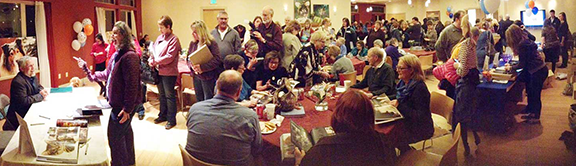 Release Party
 Web Presence
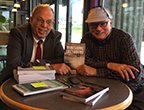 Book Signings
 Amazon Author Page
 Facebook Profile and Facebook Page
 Active Social Media Participation
 Ebook Cards
 The Great Alaska Book Fair: October 8, 2016

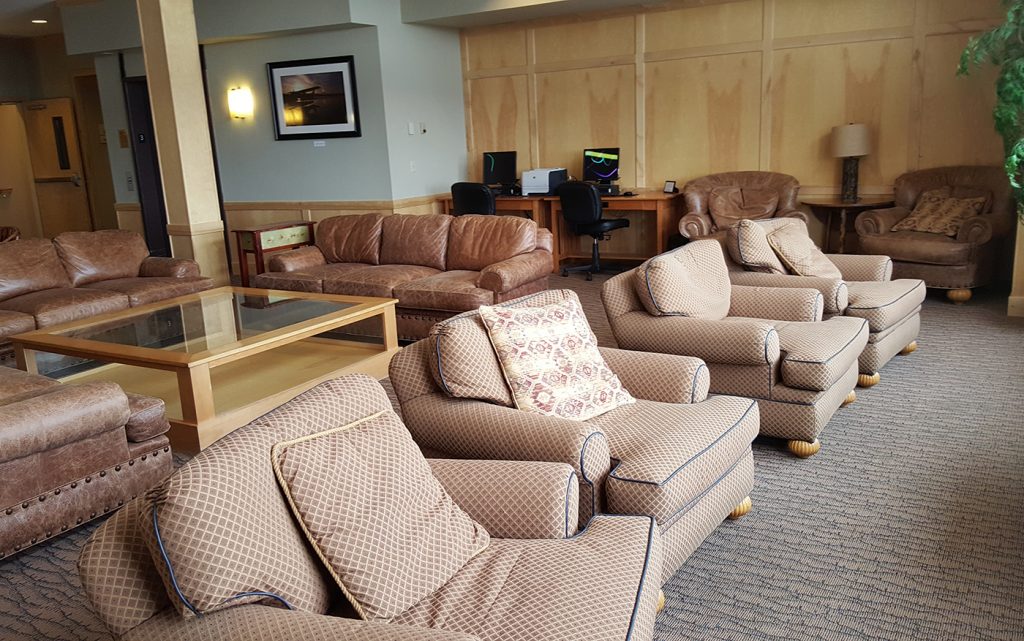
 Costco Book Signings
 eBook Cards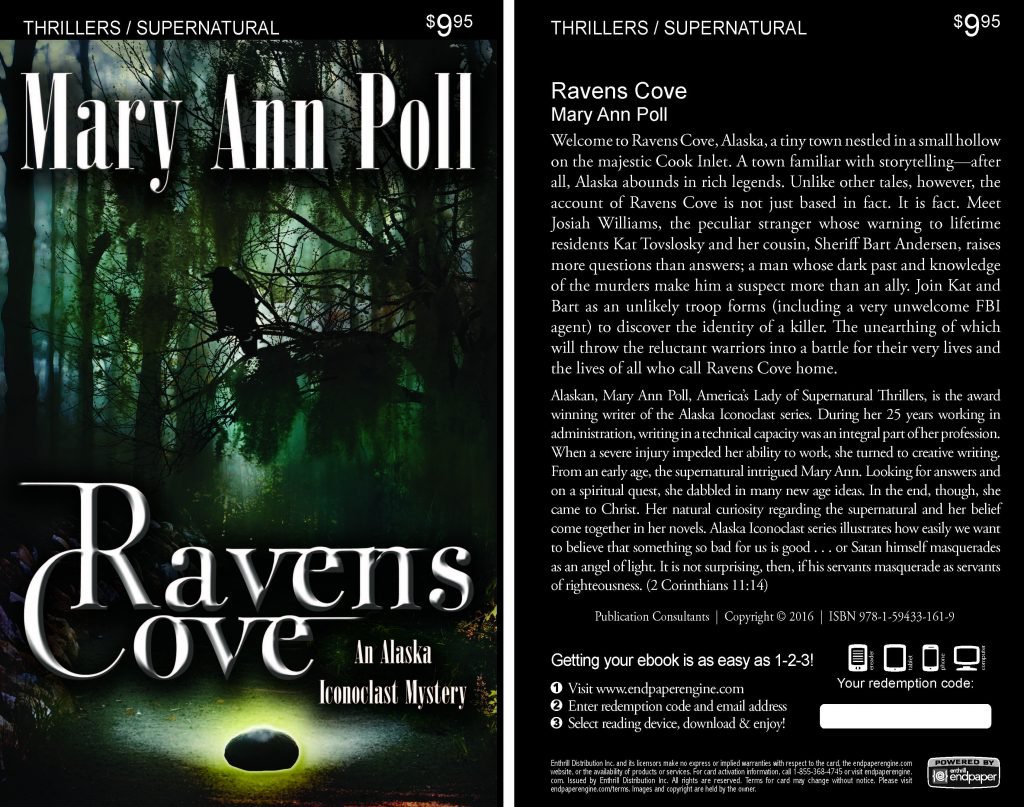

 Benjamin Franklin Award
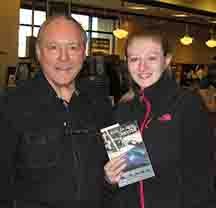 Jim Misko Book Signing at Barnes and Noble
 Cortex is for serious authors and will probably not be of interest to hobbyists. We recorded our Cortex training and information meeting. If you’re a serious author, and did not attend the meeting, and would like to review the training information, kindly let us know. Authors are required to have a Facebook author page to use Cortex.
 Correction:
 We take the quote by Marcella Smith, Small Press Business Manager, Barnes & Noble seriously: “The author is essential to the success of the book, giving energy behind the book to make it something that a customer will come in and ask for. That is what makes the difference in a book that sells, that develops legs, and has a life of its own. Otherwise the book goes on the shelf and stays there for three months. Then it gets returned.”
 This is Publication Consultants’ motivation for constantly striving to assist authors sell and market their books. ACM is Publication Consultants’ plan to accomplish this so that our authors’ books have a reasonable opportunity for success. We know the difference between motion and direction. ACM is direction! ACM is the process for authors who are serious about bringing their books to market. ACM is a boon for serious authors, but a burden for hobbyist. We don’t recommend ACM for hobbyists.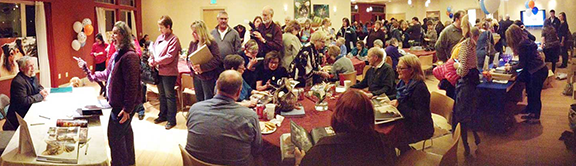

 We’re the only publisher we know of that provides authors with book signing opportunities. Book signing are appropriate for hobbyist and essential for serious authors. To schedule a book signing kindly go to our website, <
 An Author Page on Amazon Author Central is a serious author ACM requirement and desirable for the hobbyist. Author Central is a free resource designed to help authors become more active participants in the promotion of their books. In Author Central you can manage an Author Page, update information about your books, and view Customer Reviews and sales information for your bibliography. If you don’t already have an Author Page on
  We hear authors complain about all the personal stuff on Facebook. Most of these complaints are because the author doesn’t understand the difference difference between a Facebook profile and a Facebook page. Simply put, a profile is for personal things for friends and family; a page is for business. If your book is just a hobby, then it’s fine to have only a Facebook profile and make your posts for friends and family; however, if you’re serious about your writing, and it’s a business with you, or you want it to be business, then you need a Facebook page as an author. It’s simple to tell if it’s a page or a profile. A profile shows how many friends and a page shows how many likes. Here’s a link <> to a straight forward description on how to set up your author Facebook page.
 Active Social Media Participation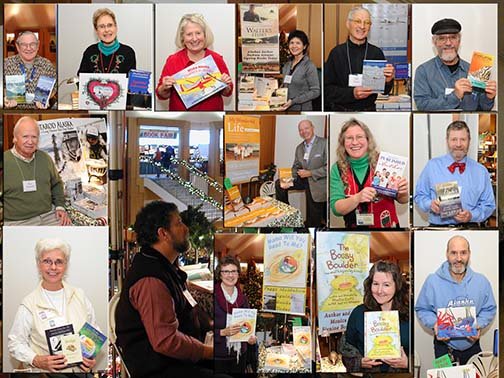


 Mosquito Books has a new location in the Anchorage international airport and is available for signings with 21 days notice. Jim Misko had a signing there yesterday. His signing report included these words, “Had the best day ever at the airport . . ..”


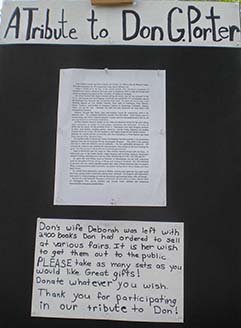
 The Lyin Kings: The Wannabe World Leaders
 Time and Tide


 ReadAlaska 2014
 Readerlink and Book Signings
 2014 Independent Publisher Book Awards Results
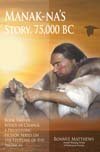
 Bonnye Matthews Radio Interview
 Rick Mystrom Radio Interview
 When he published those overseas blogs as the book The Innocents Abroad, it would become a hit. But you couldn’t find it in bookstores.
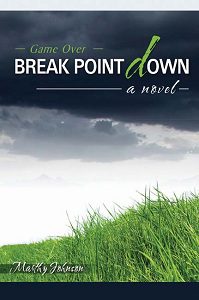 More NetGalley
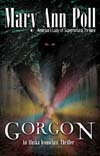 Mary Ann Poll


 Bumppo
 Computer Spell Checkers
 Seven Things I Learned From a Foreign Email
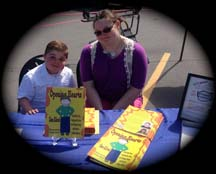 2014 Spirit of Youth Awards
 Book Signings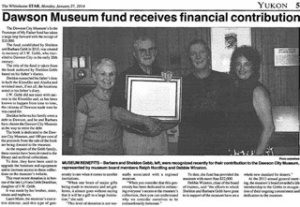
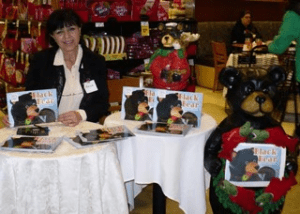
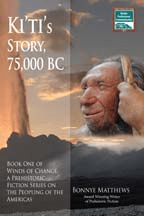
 Blog Talk Radio
 Publication Consultants Blog
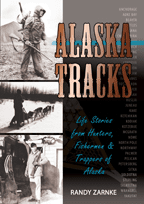 Book Signings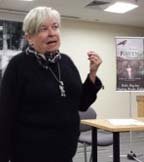

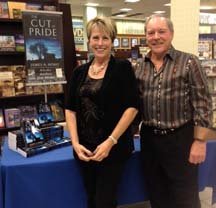

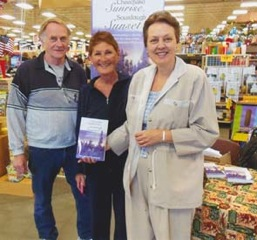 Don and Lanna Langdok
 Ron Walden
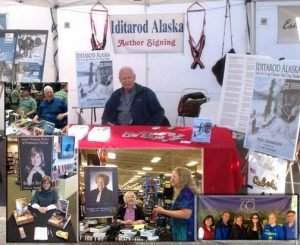 Book Signings Are Fun
 Release Party Video
 Erin’s book,
  Heather’s book,
  New Books