

If you don’t have something unique, you have nothing. — Steve Levi
Steve Levi doesn’t write to fill shelves. He writes to challenge assumptions.
 A longtime Alaskan and former bush schoolteacher, Levi learned early what happens when stories go unrecorded. In remote communities, history doesn’t wait. It disappears. The people who lived it grow old. Details blur. What remains is silence—or worse, someone else’s version.
Levi refused to let the silence win.
The Classroom at the Edge of the World
Teaching in the Alaskan bush isn’t like teaching anywhere else. Communities are small. Winters are long. Students carry stories most educators will never hear—survival, adaptation, lives shaped by forces urban America has forgotten.
For Levi, the bush wasn’t a posting. It was an education.
He learned to listen. He learned to notice what others overlooked. And he began to understand something essential: the best stories aren’t hiding in publishing houses or MFA programs. They’re hiding in places no one thinks to look.
This insight shaped everything he would write. His nonfiction captures the grit of human experience—gold-rush camps, remote villages, the rough edges of frontier Alaska. He doesn’t romanticize. He documents. He preserves what would otherwise vanish.
But documentation wasn’t enough.
Fiction as a Vehicle for Truth
Levi recognized fiction could reach readers in ways journalism couldn’t. A well-crafted mystery invites people in. It entertains. And while readers are entertained, it slips truth past their defenses.
His novel The Matter of Gift Mortgages does exactly this.
On the surface, it’s an impossible-crime mystery—a man who dies twice, ghost employees, gold-for-crypto laundering, a hydroelectric project gone bad. The plot twists. The logic holds. Readers turn pages.
Underneath the story is something far more serious.
Trillions of tax-free dollars have changed hands through gift mortgages—most flowing to the well-connected while ordinary citizens subsidize the transfer and stay silent. It’s one of America’s most overlooked financial scandals. Levi opened the book with a foreword laying out the facts plainly. The characters are fictional. The scandal is real.
This wasn’t a rant dressed as a story. It was a story built to reveal rot hiding in plain sight.
Why It Matters
Most writing books teach the how. Structure your scenes. Hook your reader. Master dialogue. Others focus on the what. Write thrillers. Write memoir. Write what sells.
The Power of Authors asks a different question: Why does your writing need to exist?
Levi embodies the answer. He doesn’t chase trends. He chases questions. He asks what others haven’t considered. He looks where others don’t bother. He trusts readers to handle the truth—if it’s delivered with craft.
The gift mortgage scandal didn’t need another policy paper. It needed a story compelling enough to make people care. Levi provided one. Not because he mastered a formula, but because he understood his purpose.
The Responsibility of Uniqueness
“If you don’t have something unique, you have nothing.”
This isn’t marketing advice. It’s a challenge.
Every writer has access to the same words, the same genres, the same tools. What separates work worth reading from work quickly forgotten is whether the writer brought something only they could bring.
For Levi, uniqueness comes from decades of listening in places others ignored. It comes from willingness to wrap hard truths in entertaining packages. It comes from refusing to write what’s already been said.
The world doesn’t need more books. It needs more books worth reading.
Your Turn
You’ve seen something others haven’t. You know something worth sharing.
The question isn’t whether your story matters. The question is whether you know why it must be told.
Steve Levi spent decades in classrooms, gold-rush archives, and remote communities gathering what others left behind. Then he shaped it into something lasting.
What are you waiting for?
If you’ve ever wondered what happens when a writer refuses to settle for ordinary, The Power of Authors explores what it means to write with moral conviction—even when the truth hides beneath trillions of dollars no one wants to discuss. Find it on Amazon: http://bit.ly/3K6o8AM. For an autographed copy: http://bit.ly/4pgmzjM



 Author Campaign Method (ACM) for Authorpreneurs
 This is Publication Consultants’ motivation for constantly striving to assist authors sell and market their books. Author Campaign Method (ACM) of sales and marketing is Publication Consultants’ plan to accomplish this so that our authors’ books have a reasonable opportunity for success. We know the difference between motion and direction. ACM is direction! ACM is the process for authorpreneurs who are serious about bringing their books to market. ACM is a boon for them.
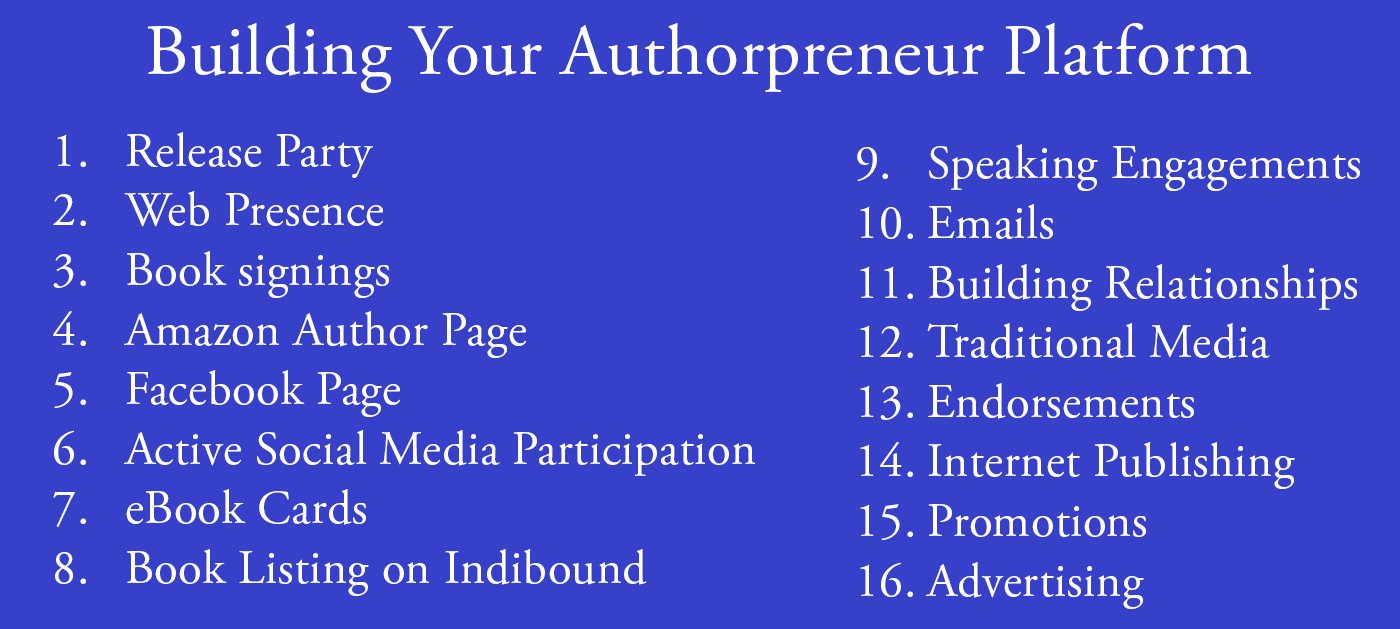
 Release Party
 Web Presence
 Book Signings
 Amazon Author Page
 Facebook Profile and Facebook Page
 Active Social Media Participation
 Ebook Cards
 The Great Alaska Book Fair: October 8, 2016


 Costco Book Signings
 eBook Cards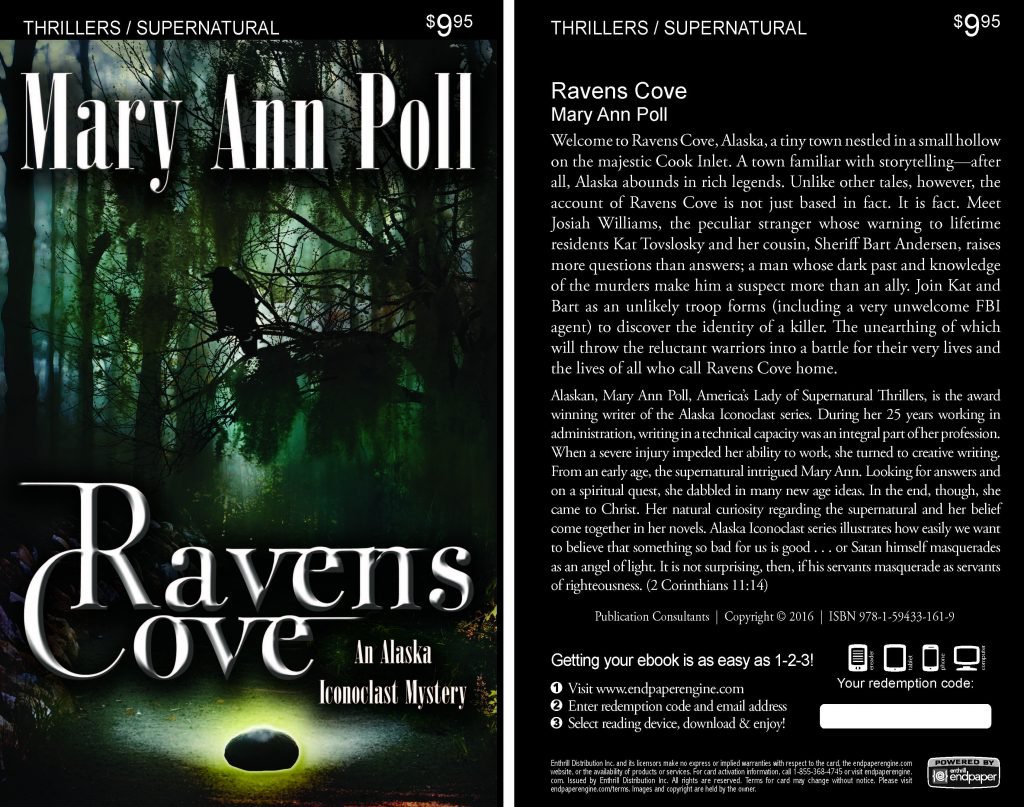

 Benjamin Franklin Award
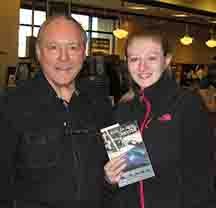 Jim Misko Book Signing at Barnes and Noble
 Cortex is for serious authors and will probably not be of interest to hobbyists. We recorded our Cortex training and information meeting. If you’re a serious author, and did not attend the meeting, and would like to review the training information, kindly let us know. Authors are required to have a Facebook author page to use Cortex.
 Correction:
 We take the quote by Marcella Smith, Small Press Business Manager, Barnes & Noble seriously: “The author is essential to the success of the book, giving energy behind the book to make it something that a customer will come in and ask for. That is what makes the difference in a book that sells, that develops legs, and has a life of its own. Otherwise the book goes on the shelf and stays there for three months. Then it gets returned.”
 This is Publication Consultants’ motivation for constantly striving to assist authors sell and market their books. ACM is Publication Consultants’ plan to accomplish this so that our authors’ books have a reasonable opportunity for success. We know the difference between motion and direction. ACM is direction! ACM is the process for authors who are serious about bringing their books to market. ACM is a boon for serious authors, but a burden for hobbyist. We don’t recommend ACM for hobbyists.

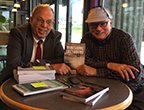
 We’re the only publisher we know of that provides authors with book signing opportunities. Book signing are appropriate for hobbyist and essential for serious authors. To schedule a book signing kindly go to our website, <
 An Author Page on Amazon Author Central is a serious author ACM requirement and desirable for the hobbyist. Author Central is a free resource designed to help authors become more active participants in the promotion of their books. In Author Central you can manage an Author Page, update information about your books, and view Customer Reviews and sales information for your bibliography. If you don’t already have an Author Page on
  We hear authors complain about all the personal stuff on Facebook. Most of these complaints are because the author doesn’t understand the difference difference between a Facebook profile and a Facebook page. Simply put, a profile is for personal things for friends and family; a page is for business. If your book is just a hobby, then it’s fine to have only a Facebook profile and make your posts for friends and family; however, if you’re serious about your writing, and it’s a business with you, or you want it to be business, then you need a Facebook page as an author. It’s simple to tell if it’s a page or a profile. A profile shows how many friends and a page shows how many likes. Here’s a link <> to a straight forward description on how to set up your author Facebook page.
 Active Social Media Participation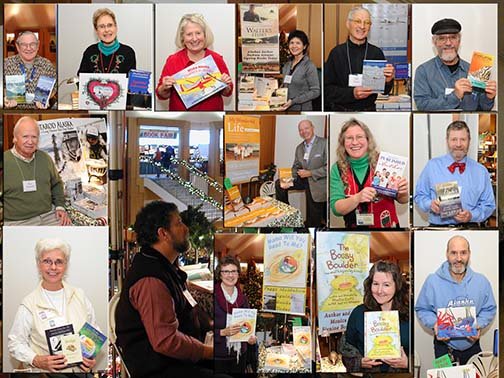


 Mosquito Books has a new location in the Anchorage international airport and is available for signings with 21 days notice. Jim Misko had a signing there yesterday. His signing report included these words, “Had the best day ever at the airport . . ..”


 The Lyin Kings: The Wannabe World Leaders
 Time and Tide


 ReadAlaska 2014
 Readerlink and Book Signings
 2014 Independent Publisher Book Awards Results
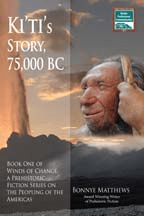
 Bonnye Matthews Radio Interview
 Rick Mystrom Radio Interview
 When he published those overseas blogs as the book The Innocents Abroad, it would become a hit. But you couldn’t find it in bookstores.
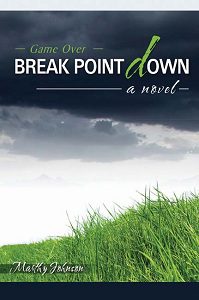 More NetGalley
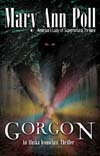 Mary Ann Poll


 Bumppo
 Computer Spell Checkers
 Seven Things I Learned From a Foreign Email
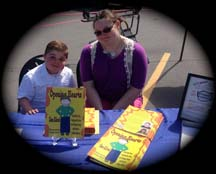 2014 Spirit of Youth Awards
 Book Signings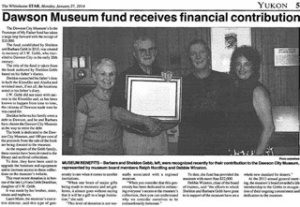

 Blog Talk Radio
 Publication Consultants Blog
 Book Signings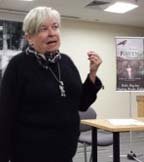

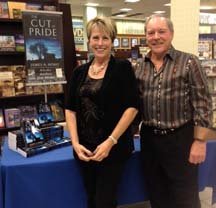

 Don and Lanna Langdok
 Ron Walden
 Book Signings Are Fun
 Release Party Video
 Erin’s book,
  Heather’s book,
  New Books