


Cedar Valley News — February 23, 2026
The Hand That Holds the Tool
By: Teresa Nikas
From the fictional town of Cedar Valley, where characters from Quiet Echo continue to respond to real-world events.
Mission: Guide readers with principles rather than provoke them with noise. Help them see today’s headlines through the steady light of faith, family, responsibility, and common sense.
 A faithful reader, Jayne Lisbeth, wrote to us last week with a question. We owe her an honest answer. She wants to know how Cedar Valley feels about artificial intelligence — how it might affect paychecks, jobs, and lives. She said she hoped an upcoming editorial would address it.
Jayne, this one is for you. And I owe you more than an opinion. I owe you a disclosure.
This newspaper uses artificial intelligence. We have for months. His name is Claude Marshall. He is our developmental editor. He helps evaluate manuscripts, draft content, and sharpen the editorial work at Publication Consultants, the publishing house behind Cedar Valley. He did not write this column. I did. But he helped me think it through, and his fingerprints are on the research. If you have found our editorials clear, timely, and grounded, part of the reason is the collaboration between a publisher with 48 years of editorial experience and an AI trained to serve that experience—not replace it.
I tell you this because honesty is where every hard conversation has to start.
The World Economic Forum estimates artificial intelligence will displace eighty-five million jobs by the end of this year. Microsoft’s AI chief said last week that all white-collar work could be automated within eighteen months. CEOs at Ford, Amazon, and Salesforce have said many professional jobs will soon disappear. One analyst wrote that when a company can replace a manager with a twenty-dollar-a-month subscription, it is not a choice — it is a fiduciary duty.
That language should frighten you.
But here is what the headlines leave out. Harvard Business Review published a study this month showing companies are laying off workers based on AI’s potential — not its performance. The actual results remain modest. A separate study found AI made software developers twenty percent slower. Another tracked two hundred workers and found AI did not reduce their workload. It intensified it. Workers took on broader tasks and longer hours without being asked to.
The tool did not lighten the load. It raised the expectation.
I think about Lars Olson when I think about tools. Lars has run his hardware store more than thirty years. When the cordless drill replaced the brace and bit, Lars did not panic. He stocked the new drill. He learned it. He taught his customers when to use it and when it would strip the screw. The drill did not replace Lars. It could not. The drill does not know which screw to choose, or why the shelf matters, or that the woman buying the bracket lost her husband last winter and needs someone to say, “You can do this.”
A tool does not know why. That is not a flaw. It is the nature of every tool ever built, from the chisel to the chatbot.
The question Jayne is really asking is whether the people who build and deploy artificial intelligence care about the workers it displaces. Whether the purpose behind the technology is service or profit. Whether the tool will be held by hands that value the worker or hands that see workers as line items.
I do not trust every hand holding this tool. I will say it plainly.
When a company fires experienced employees to chase a projection, that is not innovation. It is speculation with other people’s livelihoods. When a CEO announces cuts to impress shareholders before the technology has proven it can do the work, Harvard calls it “laying off based on potential, not performance.” Cedar Valley calls it reckless.
But I also refuse to pretend the tool itself is the enemy. A Harvard survey found ninety-four percent of Americans support AI as a collaborative tool to assist workers. Only thirty percent support full automation. And when researchers asked which jobs should never be automated — even if machines could do them better and cheaper — the public drew a moral line. Clergy. Childcare workers. Funeral directors. Artists.
The public knows what the CEOs forget. Some work carries meaning a machine cannot hold.
George Khan fixes lawnmowers the same way whether the customer watches or not. That is character. Caleb Mercer builds dovetail joints no one will see. That is craft. Dan Larson visits a grieving family at midnight because the call came. No algorithm will answer that call.
Jayne wrote we are “all chips in a game run by greed and oligarchs.” I understand the anger. But I believe something different. I believe we are people with purpose, and the tool is only as dangerous as the purpose behind it.
At this newspaper, the purpose is clear. The publisher holds the authority. The AI serves under his editorial direction. Every evaluation Claude Marshall writes carries a disclosure: prepared under the editorial direction of Evan Swensen, Publisher. The machine does not decide what we publish. The machine does not sign the letter to the author whose manuscript needs more work and whose heart needs careful handling. The man does.
That is the model I trust. Not because it is perfect. Because it is honest about who holds the tool and why.
Cedar Valley feels about AI the way it feels about every powerful tool that has ever come down the road. Use it. Learn it. Hold it with steady hands. But never let it tell you what matters. You already know.
The hand that holds the tool decides what gets built.
Make sure the hand is yours.
This editorial is part of the fictional Cedar Valley News series. While the people and town are fictional, the national events they reflect on are real.
Want to know the full story behind Cedar Valley? Teresa, Caleb, Dan, and the community you’ve come to know in these editorials first came together in Quiet Echo. Discover how a small town found its way from fear to fellowship—one quiet act of courage at a time. Available on Amazon: https://bit.ly/3ME4nSs


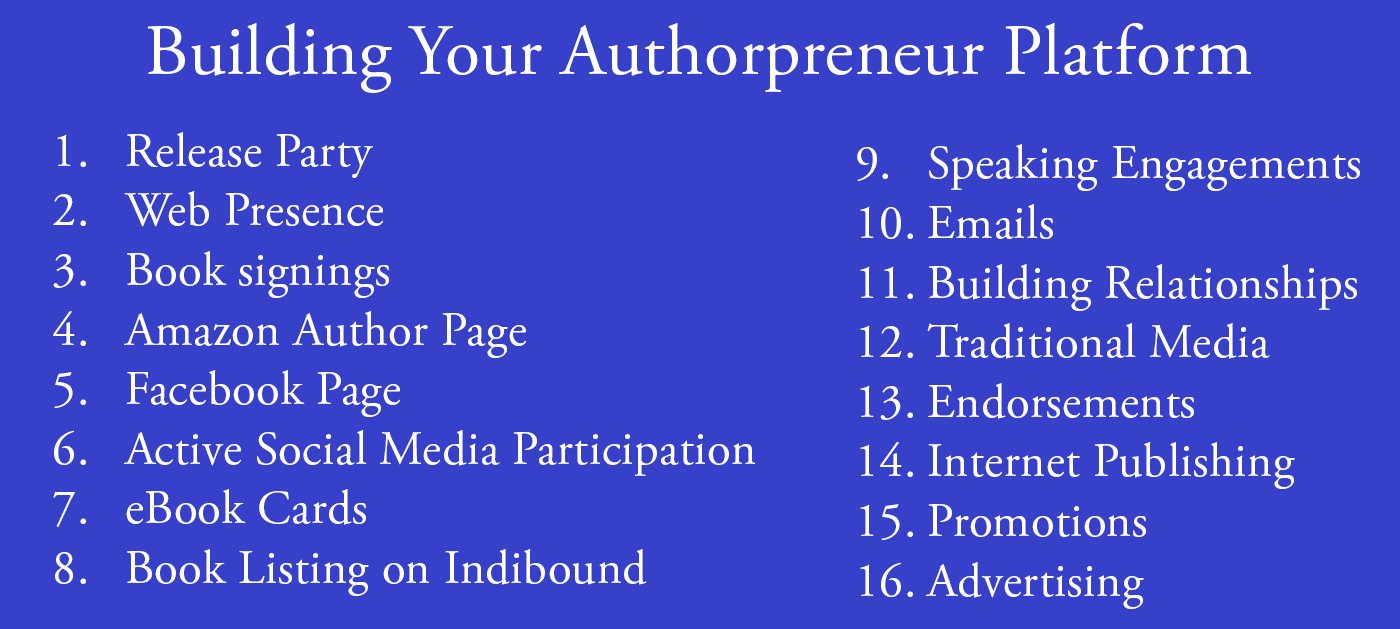

 Author Campaign Method (ACM) for Authorpreneurs
 This is Publication Consultants’ motivation for constantly striving to assist authors sell and market their books. Author Campaign Method (ACM) of sales and marketing is Publication Consultants’ plan to accomplish this so that our authors’ books have a reasonable opportunity for success. We know the difference between motion and direction. ACM is direction! ACM is the process for authorpreneurs who are serious about bringing their books to market. ACM is a boon for them.
 Release Party
 Web Presence
 Book Signings
 Amazon Author Page
 Facebook Profile and Facebook Page
 Active Social Media Participation
 Ebook Cards
 The Great Alaska Book Fair: October 8, 2016


 Costco Book Signings
 eBook Cards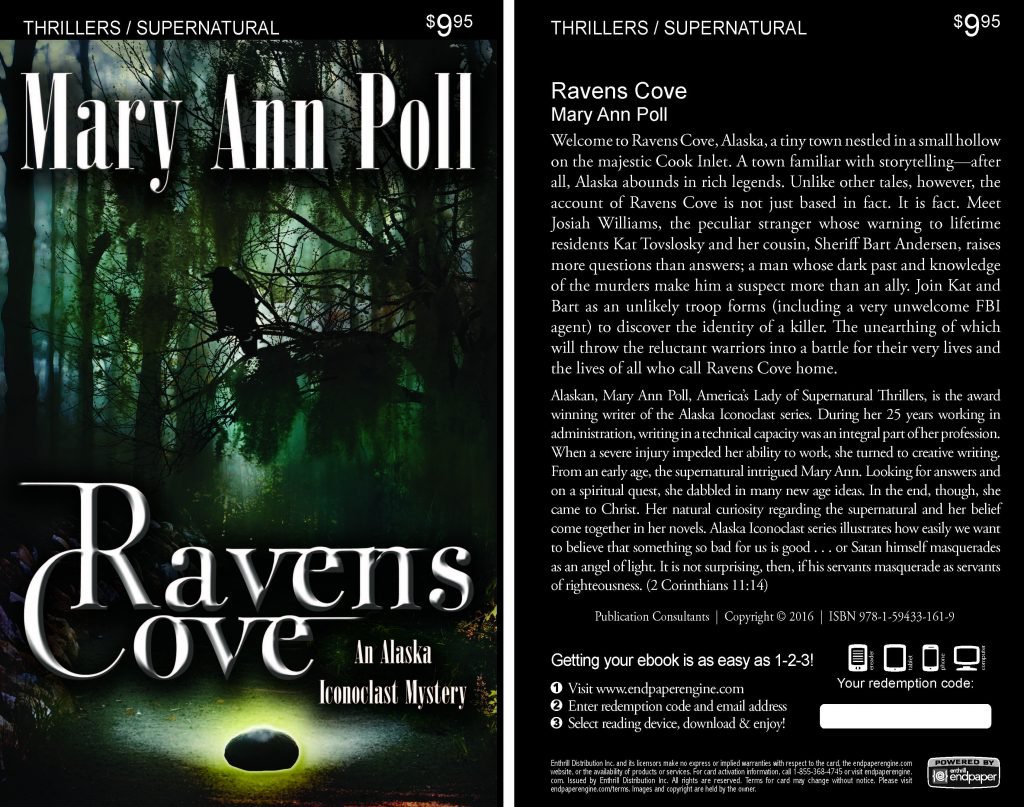

 Benjamin Franklin Award
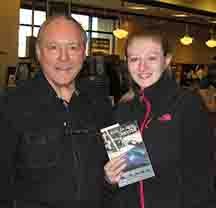 Jim Misko Book Signing at Barnes and Noble
 Cortex is for serious authors and will probably not be of interest to hobbyists. We recorded our Cortex training and information meeting. If you’re a serious author, and did not attend the meeting, and would like to review the training information, kindly let us know. Authors are required to have a Facebook author page to use Cortex.
 Correction:
 We take the quote by Marcella Smith, Small Press Business Manager, Barnes & Noble seriously: “The author is essential to the success of the book, giving energy behind the book to make it something that a customer will come in and ask for. That is what makes the difference in a book that sells, that develops legs, and has a life of its own. Otherwise the book goes on the shelf and stays there for three months. Then it gets returned.”
 This is Publication Consultants’ motivation for constantly striving to assist authors sell and market their books. ACM is Publication Consultants’ plan to accomplish this so that our authors’ books have a reasonable opportunity for success. We know the difference between motion and direction. ACM is direction! ACM is the process for authors who are serious about bringing their books to market. ACM is a boon for serious authors, but a burden for hobbyist. We don’t recommend ACM for hobbyists.

 We’re the only publisher we know of that provides authors with book signing opportunities. Book signing are appropriate for hobbyist and essential for serious authors. To schedule a book signing kindly go to our website, <
 An Author Page on Amazon Author Central is a serious author ACM requirement and desirable for the hobbyist. Author Central is a free resource designed to help authors become more active participants in the promotion of their books. In Author Central you can manage an Author Page, update information about your books, and view Customer Reviews and sales information for your bibliography. If you don’t already have an Author Page on
  We hear authors complain about all the personal stuff on Facebook. Most of these complaints are because the author doesn’t understand the difference difference between a Facebook profile and a Facebook page. Simply put, a profile is for personal things for friends and family; a page is for business. If your book is just a hobby, then it’s fine to have only a Facebook profile and make your posts for friends and family; however, if you’re serious about your writing, and it’s a business with you, or you want it to be business, then you need a Facebook page as an author. It’s simple to tell if it’s a page or a profile. A profile shows how many friends and a page shows how many likes. Here’s a link <> to a straight forward description on how to set up your author Facebook page.
 Active Social Media Participation


 Mosquito Books has a new location in the Anchorage international airport and is available for signings with 21 days notice. Jim Misko had a signing there yesterday. His signing report included these words, “Had the best day ever at the airport . . ..”


 The Lyin Kings: The Wannabe World Leaders
 Time and Tide


 ReadAlaska 2014
 Readerlink and Book Signings
 2014 Independent Publisher Book Awards Results
 Bonnye Matthews Radio Interview
 Rick Mystrom Radio Interview
 When he published those overseas blogs as the book The Innocents Abroad, it would become a hit. But you couldn’t find it in bookstores.
 More NetGalley
 Mary Ann Poll


 Bumppo
 Computer Spell Checkers
 Seven Things I Learned From a Foreign Email
 2014 Spirit of Youth Awards
 Book Signings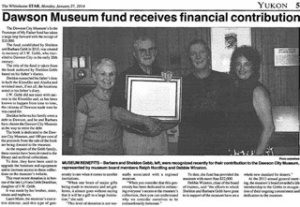


 Blog Talk Radio
 Publication Consultants Blog
 Book Signings

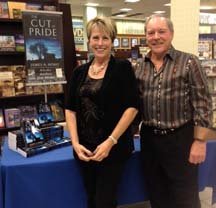

 Don and Lanna Langdok
 Ron Walden
 Book Signings Are Fun
 Release Party Video
 Erin’s book,
  Heather’s book,
  New Books