

Cedar Valley News
Saturday, April 4, 2026
The Medicine You Already Have
By Aisha Khalid, M.D.
 On Tuesday morning, I climbed the stairs to my office instead of taking the elevator. Four flights. I pushed. By the top, my heart was working, and I was slightly breathless, and I stood for a moment in the hallway before going in.
I have done this hundreds of times. What I did not know until this week is what was happening inside me while I did it.
A study was published this week in the European Heart Journal. Researchers followed nearly ninety-six thousand people over seven years. They tracked movement using wrist accelerometers — devices precise enough to catch bursts of effort people would never remember to report. Then they tracked who developed serious illness and who did not.
What they found was simple. People who spent even a small fraction of their daily movement at vigorous intensity — four percent or more — had dramatically lower risk of eight major diseases: heart disease, irregular heartbeat, type 2 diabetes, liver disease, lung disease, kidney disease, dementia, and inflammatory conditions like arthritis and psoriasis. Compared with people who never reached vigorous effort, their risk was twenty-nine to sixty-one percent lower, depending on the disease.
Four percent. If you move for 30 minutes a day, 4% is 72 seconds.
The researchers were careful to say this does not mean going to the gym. It does not mean a training plan. It means effort. Specifically: effort: the kind making you slightly breathless, breathless enough talking becomes difficult.
Taking the stairs quickly instead of slowly. Walking fast between errands rather than at a stroll. Playing actively with children rather than watching. Running to catch the bus. Cycling hard for a short stretch against the wind.
The common thread is not the activity. It is the effort. For a few minutes, you push. Your heart works harder. Your blood vessels become more flexible. Your body improves its ability to use oxygen. And something happens: lower-intensity movement cannot fully replicate — inflammation decreases, the brain receives chemicals supporting healthy cells, and the risk of serious disease begins to fall.
As a physician, I spend a great deal of time with patients who are waiting for permission to feel better. They are waiting for a diagnosis to be resolved, a prescription to arrive, a referral to come through. They are waiting for the system to do something for them.
This research says simply: the body is not waiting. The body already has a mechanism for reducing its own risk of heart attack, dementia, and arthritis. The mechanism is free. It requires no prescription. It works in the parking lot, on the stairs, and in the few minutes between dropping children at school and starting the day.
I think about George, who has been on his feet at the Deli Kitchen since before sunrise every morning for years. I wonder if he knows climbing the stairs to the storage room quickly instead of slowly may be doing more for his heart than he realizes. I think about Ruth Edmonds, eighty-one, who bakes and moves and keeps going. I think about Owen, who plays soccer and does not yet understand what a gift it is.
I think about my patients who tell me they do not have time to exercise. Fifteen to twenty minutes per week of breathless effort. Spread across the days, two or three minutes. The stairs. The parking spot farthest from the door. The walk to George’s Deli at full speed just because you can.
The week asked Cedar Valley to pay attention to hard things. To show up, to read the charts, to ask the questions on the record. All of it is right, and all of it matters.
But Saturday is also for this. For the reminder: the body wants to be well. For the news, the medicine is already in your possession. For the question I will carry into next week and every week after:
When did you last get slightly breathless? And when will you do it again?
— Aisha Khalid, M.D.
Cedar Valley News has a new Facebook group. If you have comments and want to join the conversation, you are welcome. https://bit.ly/40p8jKy
This editorial is part of the fictional Cedar Valley News series, written by Evan Swensen, Publisher, Publication Consultants, and Claude Marshall, AI Developmental Editor. While the people and town are fictional, the national events they reflect on are real.


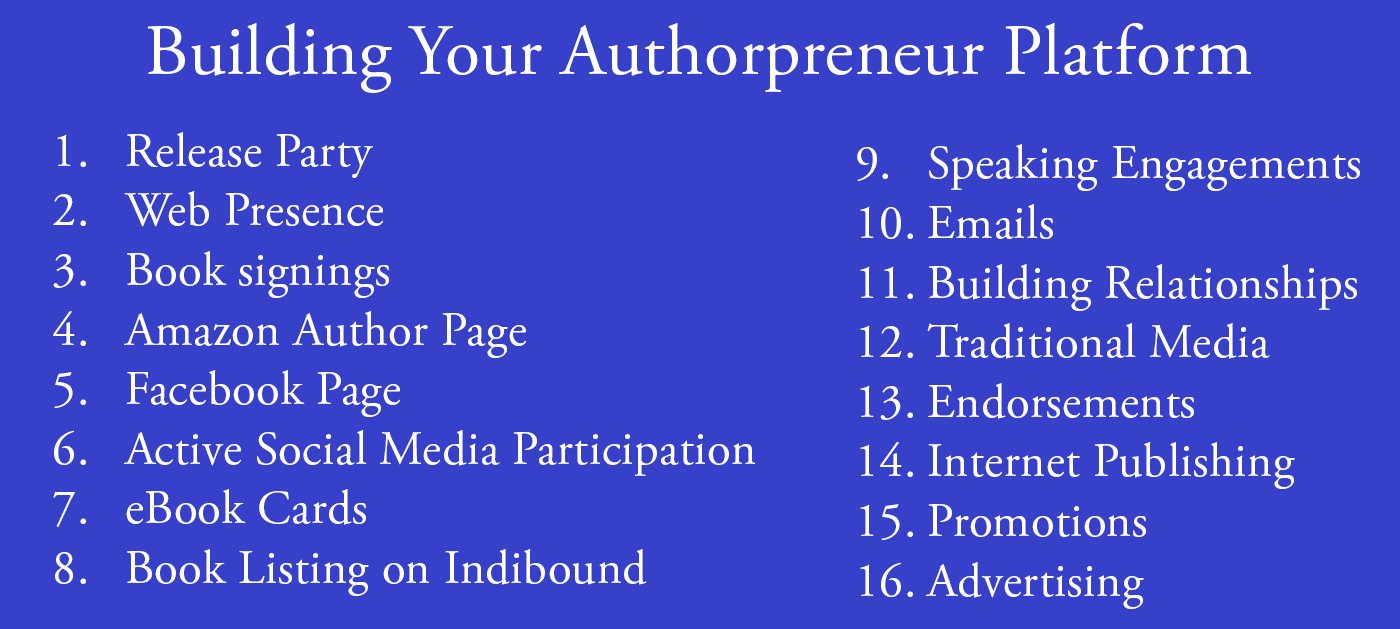

 Author Campaign Method (ACM) for Authorpreneurs
 This is Publication Consultants’ motivation for constantly striving to assist authors sell and market their books. Author Campaign Method (ACM) of sales and marketing is Publication Consultants’ plan to accomplish this so that our authors’ books have a reasonable opportunity for success. We know the difference between motion and direction. ACM is direction! ACM is the process for authorpreneurs who are serious about bringing their books to market. ACM is a boon for them.
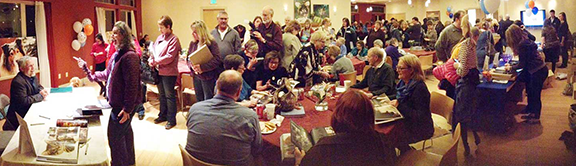 Release Party
 Web Presence
 Book Signings
 Amazon Author Page
 Facebook Profile and Facebook Page
 Active Social Media Participation
 Ebook Cards
 The Great Alaska Book Fair: October 8, 2016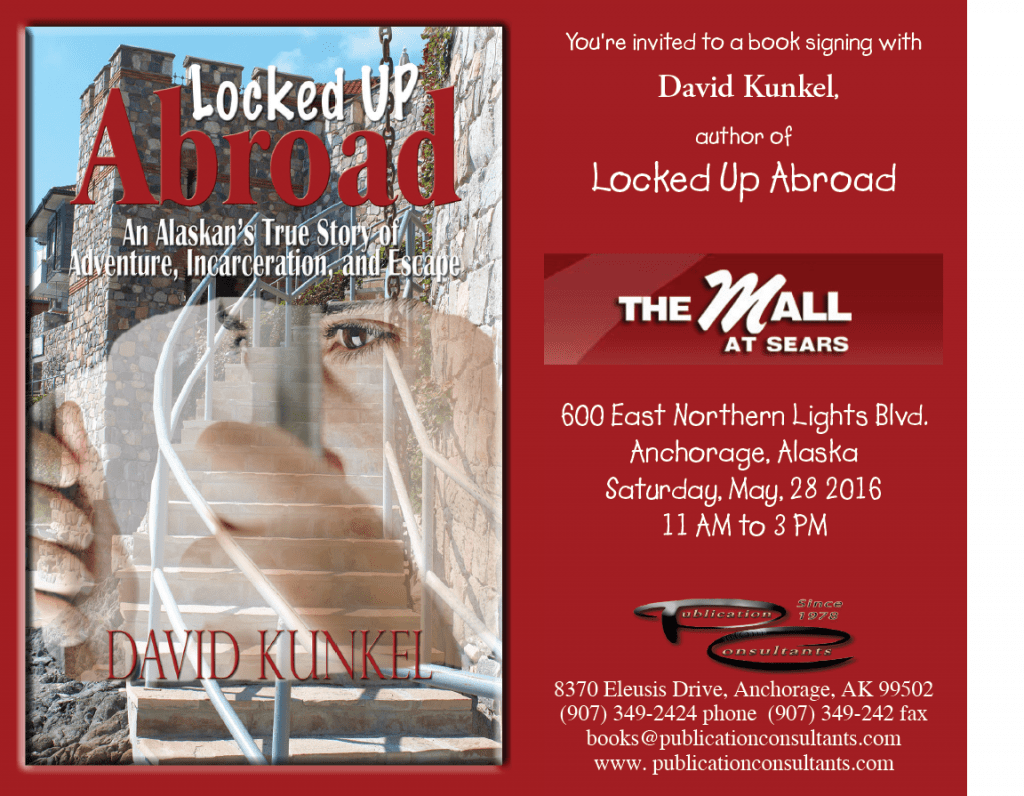
 Costco Book Signings
 eBook Cards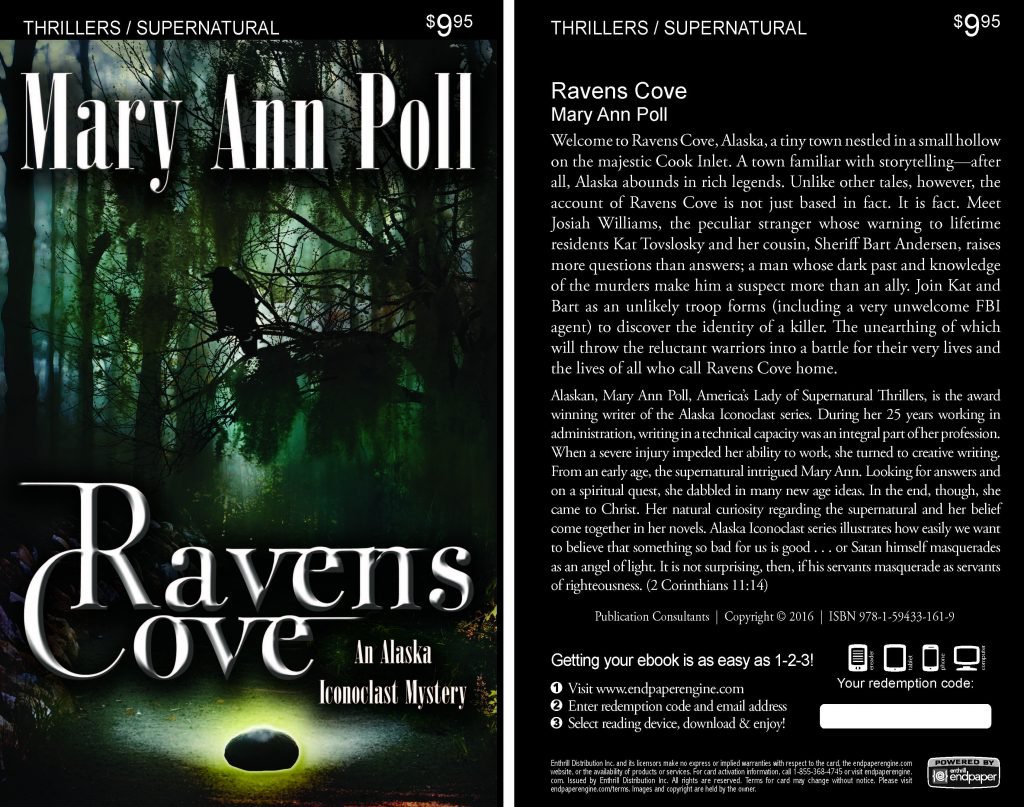

 Benjamin Franklin Award
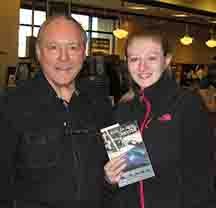 Jim Misko Book Signing at Barnes and Noble
 Cortex is for serious authors and will probably not be of interest to hobbyists. We recorded our Cortex training and information meeting. If you’re a serious author, and did not attend the meeting, and would like to review the training information, kindly let us know. Authors are required to have a Facebook author page to use Cortex.
 Correction:
 We take the quote by Marcella Smith, Small Press Business Manager, Barnes & Noble seriously: “The author is essential to the success of the book, giving energy behind the book to make it something that a customer will come in and ask for. That is what makes the difference in a book that sells, that develops legs, and has a life of its own. Otherwise the book goes on the shelf and stays there for three months. Then it gets returned.”
 This is Publication Consultants’ motivation for constantly striving to assist authors sell and market their books. ACM is Publication Consultants’ plan to accomplish this so that our authors’ books have a reasonable opportunity for success. We know the difference between motion and direction. ACM is direction! ACM is the process for authors who are serious about bringing their books to market. ACM is a boon for serious authors, but a burden for hobbyist. We don’t recommend ACM for hobbyists.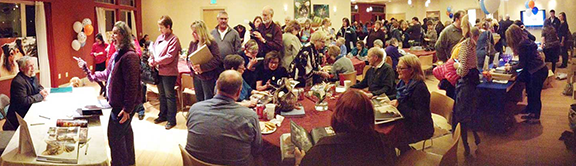

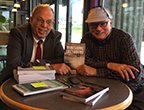
 We’re the only publisher we know of that provides authors with book signing opportunities. Book signing are appropriate for hobbyist and essential for serious authors. To schedule a book signing kindly go to our website, <
 An Author Page on Amazon Author Central is a serious author ACM requirement and desirable for the hobbyist. Author Central is a free resource designed to help authors become more active participants in the promotion of their books. In Author Central you can manage an Author Page, update information about your books, and view Customer Reviews and sales information for your bibliography. If you don’t already have an Author Page on
  We hear authors complain about all the personal stuff on Facebook. Most of these complaints are because the author doesn’t understand the difference difference between a Facebook profile and a Facebook page. Simply put, a profile is for personal things for friends and family; a page is for business. If your book is just a hobby, then it’s fine to have only a Facebook profile and make your posts for friends and family; however, if you’re serious about your writing, and it’s a business with you, or you want it to be business, then you need a Facebook page as an author. It’s simple to tell if it’s a page or a profile. A profile shows how many friends and a page shows how many likes. Here’s a link <> to a straight forward description on how to set up your author Facebook page.
 Active Social Media Participation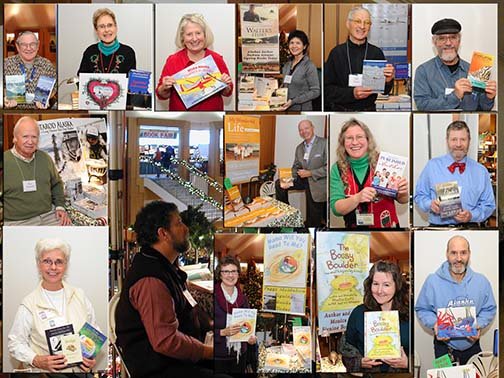


 Mosquito Books has a new location in the Anchorage international airport and is available for signings with 21 days notice. Jim Misko had a signing there yesterday. His signing report included these words, “Had the best day ever at the airport . . ..”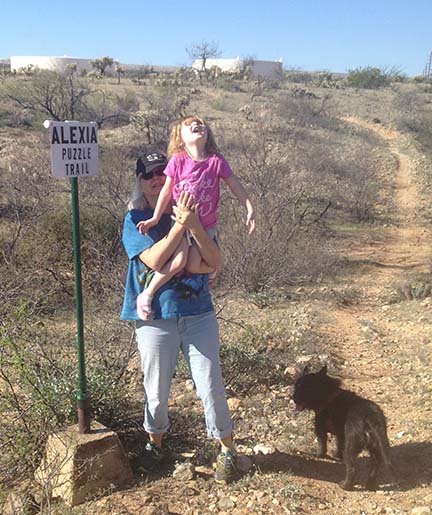


 The Lyin Kings: The Wannabe World Leaders
 Time and Tide


 ReadAlaska 2014
 Readerlink and Book Signings
 2014 Independent Publisher Book Awards Results
 Bonnye Matthews Radio Interview
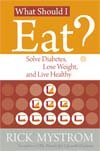 Rick Mystrom Radio Interview
 When he published those overseas blogs as the book The Innocents Abroad, it would become a hit. But you couldn’t find it in bookstores.
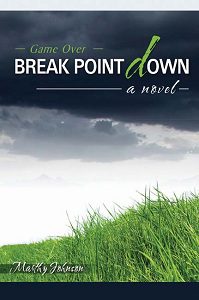 More NetGalley
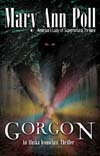 Mary Ann Poll


 Bumppo
 Computer Spell Checkers
 Seven Things I Learned From a Foreign Email
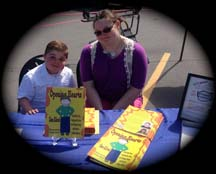 2014 Spirit of Youth Awards
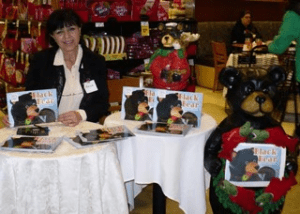
 Book Signings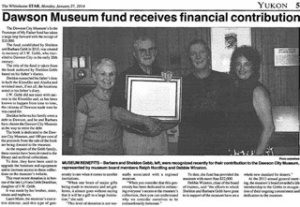
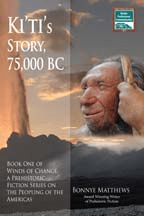
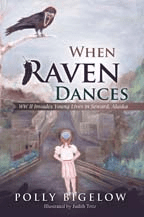 Blog Talk Radio
 Publication Consultants Blog
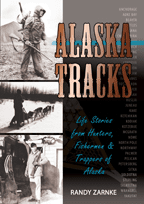 Book Signings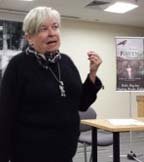

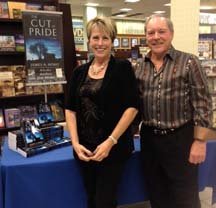

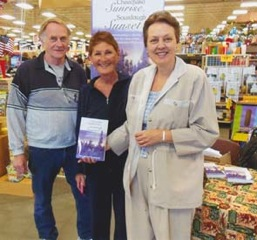 Don and Lanna Langdok
 Ron Walden
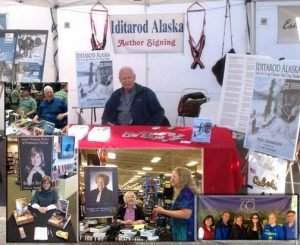 Book Signings Are Fun
 Release Party Video
 Erin’s book,
  Heather’s book,
  New Books