

On Tuesday, February 10, the people of Calais and Worcester, Vermont walked into their town halls and voted to keep their elementary schools open.
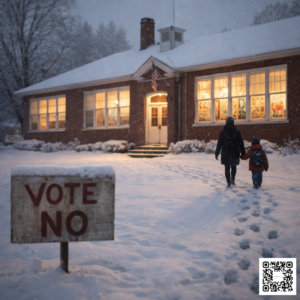
The margin was not close. In Calais, 398 residents voted against closing Calais Elementary School. Only 249 voted to close it. In Worcester, 212 voted to keep Doty Memorial School open. Only 114 voted to shut it down.
The schools are small. Calais Elementary has eighty-nine students. Doty Memorial has fifty-seven. One kindergarten class has seven children. The Washington Central Unified Union School District has lost 14 percent of its students over the past decade, and officials expect the decline to continue.
The school board had recommended closing both schools and consolidating students into three larger buildings in neighboring towns. They offered a full-time librarian. A school nurse. Band and chorus programs, the five-school model could not afford.
The voters said no.
Andrea Tucker and Anthony Houser moved their family from Texas to Calais. They came, Houser said, for “the small state feel, the small school down the street feel.” Closing the school, he said, would be a “momentum killer” for families like theirs.
Tucker put it plainly: “Our small schools are an asset to invest in and leverage in response to a declining population.”
Rosie Close, a fifth grader at Doty Memorial, spoke at a public meeting before the vote. She described a tradition: Doty students make and serve soup at the town’s free “community lunch” every Wednesday at the town hall.
“If they closed Doty,” she said, “that would kind of take away part of the town, too.”
Wendell Berry has spent sixty years writing about what holds rural communities together—and what tears them apart.
A Kentucky farmer and essayist, Berry has watched small towns empty out as their economies collapsed, their young people left, and their institutions vanished one by one. He has argued that schools, churches, stores, and local businesses are not line items on a budget. They are the threads that weave a community into existence.
“A community,” Berry wrote, “is the mental and spiritual condition of knowing that the place is shared, and that the people who share the place define and limit the possibilities of each other’s lives. It is the knowledge that people have of each other, their concern for each other, their trust in each other, the freedom with which they come and go among themselves.”
When the school closes, the knowledge goes with it. Parents no longer gather at drop-off. Children no longer walk the same halls their parents walked. The building falls silent, and the rhythm that organized daily life disappears.
Berry understood that the arguments for consolidation always sound reasonable. Efficiency. Resources. Opportunity. But he also understood what the spreadsheets cannot measure.
“People in small rural communities need their own small businesses, stores, workshops, legal and medical services, schools, and churches,” he wrote. “People become neighbors by working together, talking to each other, and needing each other’s help and encouragement and comfort.”
When a school closes, neighbors stop becoming neighbors. The place that brought them together is gone.
The voters of Calais and Worcester made a choice. They chose connection over convenience. They chose the Wednesday soup served by fifth graders over the band program offered somewhere else.
They may have made this choice harder for themselves. The district budget will now stretch across five schools instead of three. Resources will be thinner. Some programs will wait.
But they kept their doors open. They kept their children walking to schools their grandparents might recognize. They kept the rhythm that makes a town more than a collection of houses.
Someone should write this story. Not the news report—the newspapers have already done that. The deeper story. The one that asks why these people voted the way they did, what they feared losing, what they hoped to preserve.
Someone should interview Rosie Close and ask her what Wednesday soup tastes like, who taught her to ladle it, what she hears when the room fills with neighbors.
Someone should sit with Andrea Tucker and Anthony Houser and ask what they left behind in Texas, what they found in Calais, what made them stay.
These are the stories that explain a community to itself. These are the stories that explain a community to the world.
The Power of Authors calls writers to this work: Stand where the place is shared. Write what makes neighbors out of strangers. Bear witness to the institutions that hold communities together—before they disappear, and while they still can be saved. Available on Amazon. For an autographed copy: http://bit.ly/4pgmzjM
The doors stayed open. The story waits to be told.


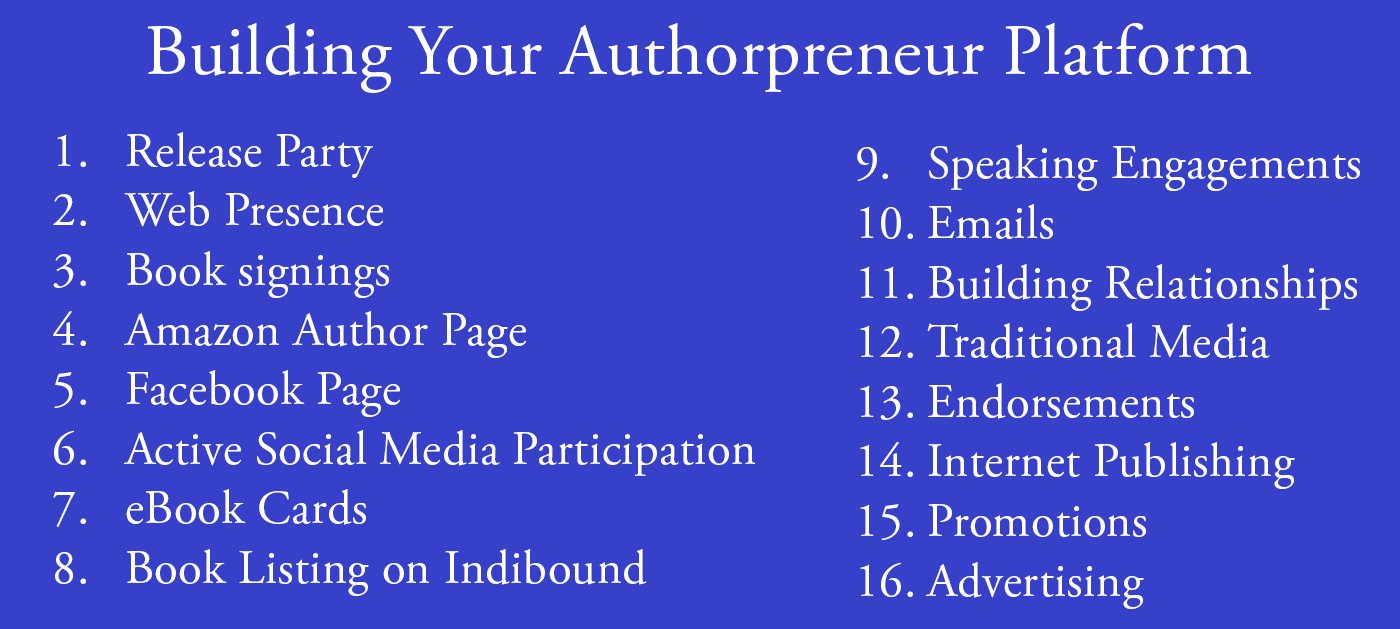

 Author Campaign Method (ACM) for Authorpreneurs
 This is Publication Consultants’ motivation for constantly striving to assist authors sell and market their books. Author Campaign Method (ACM) of sales and marketing is Publication Consultants’ plan to accomplish this so that our authors’ books have a reasonable opportunity for success. We know the difference between motion and direction. ACM is direction! ACM is the process for authorpreneurs who are serious about bringing their books to market. ACM is a boon for them.
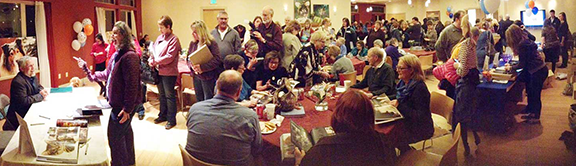 Release Party
 Web Presence
 Book Signings
 Amazon Author Page
 Facebook Profile and Facebook Page
 Active Social Media Participation
 Ebook Cards
 The Great Alaska Book Fair: October 8, 2016

 Costco Book Signings
 eBook Cards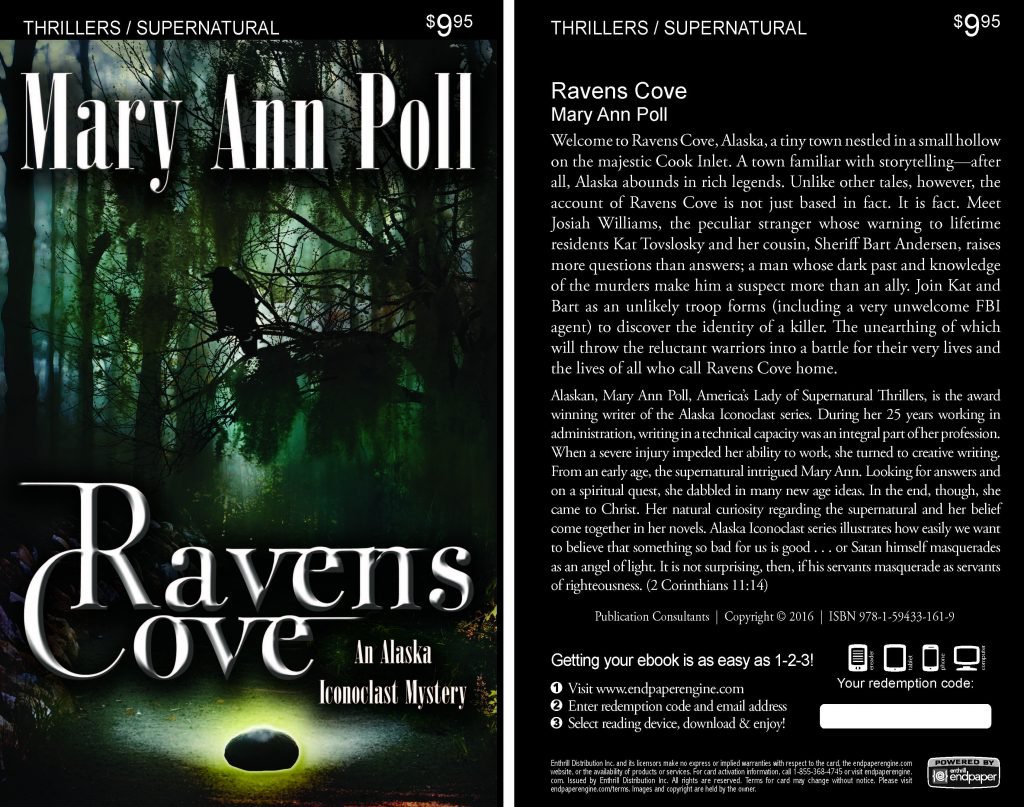

 Benjamin Franklin Award
 Jim Misko Book Signing at Barnes and Noble
 Cortex is for serious authors and will probably not be of interest to hobbyists. We recorded our Cortex training and information meeting. If you’re a serious author, and did not attend the meeting, and would like to review the training information, kindly let us know. Authors are required to have a Facebook author page to use Cortex.
 Correction:
 We take the quote by Marcella Smith, Small Press Business Manager, Barnes & Noble seriously: “The author is essential to the success of the book, giving energy behind the book to make it something that a customer will come in and ask for. That is what makes the difference in a book that sells, that develops legs, and has a life of its own. Otherwise the book goes on the shelf and stays there for three months. Then it gets returned.”
 This is Publication Consultants’ motivation for constantly striving to assist authors sell and market their books. ACM is Publication Consultants’ plan to accomplish this so that our authors’ books have a reasonable opportunity for success. We know the difference between motion and direction. ACM is direction! ACM is the process for authors who are serious about bringing their books to market. ACM is a boon for serious authors, but a burden for hobbyist. We don’t recommend ACM for hobbyists.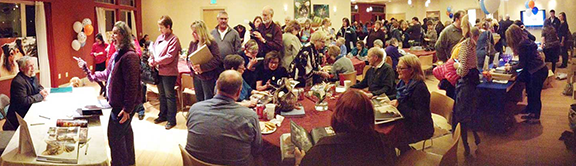

 We’re the only publisher we know of that provides authors with book signing opportunities. Book signing are appropriate for hobbyist and essential for serious authors. To schedule a book signing kindly go to our website, <
 An Author Page on Amazon Author Central is a serious author ACM requirement and desirable for the hobbyist. Author Central is a free resource designed to help authors become more active participants in the promotion of their books. In Author Central you can manage an Author Page, update information about your books, and view Customer Reviews and sales information for your bibliography. If you don’t already have an Author Page on
  We hear authors complain about all the personal stuff on Facebook. Most of these complaints are because the author doesn’t understand the difference difference between a Facebook profile and a Facebook page. Simply put, a profile is for personal things for friends and family; a page is for business. If your book is just a hobby, then it’s fine to have only a Facebook profile and make your posts for friends and family; however, if you’re serious about your writing, and it’s a business with you, or you want it to be business, then you need a Facebook page as an author. It’s simple to tell if it’s a page or a profile. A profile shows how many friends and a page shows how many likes. Here’s a link <> to a straight forward description on how to set up your author Facebook page.
 Active Social Media Participation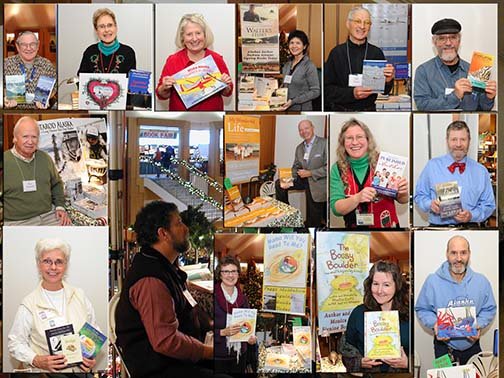


 Mosquito Books has a new location in the Anchorage international airport and is available for signings with 21 days notice. Jim Misko had a signing there yesterday. His signing report included these words, “Had the best day ever at the airport . . ..”


 The Lyin Kings: The Wannabe World Leaders
 Time and Tide


 ReadAlaska 2014
 Readerlink and Book Signings
 2014 Independent Publisher Book Awards Results
 Bonnye Matthews Radio Interview
 Rick Mystrom Radio Interview
 When he published those overseas blogs as the book The Innocents Abroad, it would become a hit. But you couldn’t find it in bookstores.
 More NetGalley
 Mary Ann Poll


 Bumppo
 Computer Spell Checkers
 Seven Things I Learned From a Foreign Email
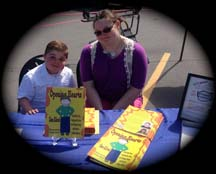 2014 Spirit of Youth Awards
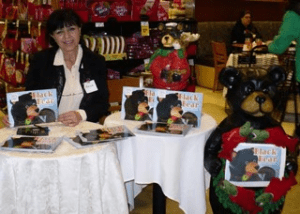
 Book Signings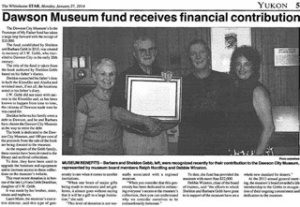
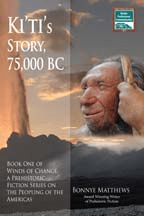
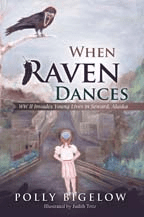 Blog Talk Radio
 Publication Consultants Blog
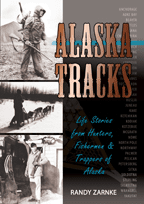 Book Signings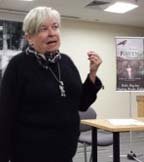

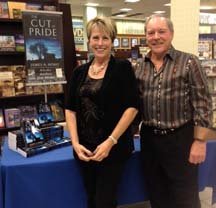

 Don and Lanna Langdok
 Ron Walden
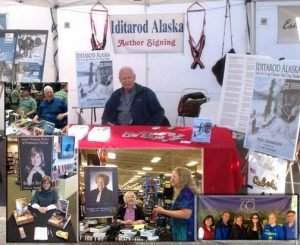 Book Signings Are Fun
 Release Party Video
 Erin’s book,
  Heather’s book,
  New Books