

Cedar Valley News
January 22, 2026
This Could Be My Mother
By: Chloe Papadakis
From the fictional town of Cedar Valley, where characters from Quiet Echo continue to respond to real-world events.
Florida’s legislature opened its 2026 session last week with a question that hasn’t been asked seriously in any state capitol in a very long time: What if homeowners didn’t have to pay property taxes at all?
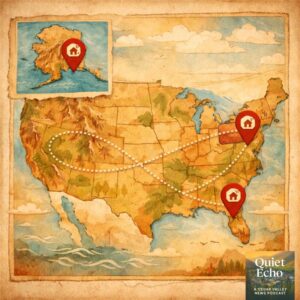 Four proposals are now advancing through the Florida House. One would eliminate non-school property taxes entirely for homesteaded residences. Another would exempt homeowners sixty-five and older. A third would create a hundred-thousand-dollar exemption for insured homeowners. A fourth would let long-term residents carry their tax savings when they move.
If any of these pass the legislature, they’ll go to Florida voters in November. If voters approve, Florida would become the first state in the nation with no income tax and no property tax on primary homes.
Governor Ron DeSantis has been pushing this idea for months. His language sounds familiar to anyone who’s been reading this newspaper: homeowners, he says, shouldn’t have to “pay rent to the government” for a home they already own.
That phrase stopped me cold. Rent to the government. It’s exactly what we’ve been saying all week.
On Tuesday, George Khan told us about Gloria Gaynor—not the singer, but a ninety-one-year-old grandmother in Pennsylvania who paid off her mortgage, lived in her home for twenty-five years, and is now being evicted because she missed one property tax payment during COVID. Her $247,000 house was sold at auction for $14,419. She’s bedridden with dementia. The new owners want her out.
That story hit a nerve. Jayne Lisbeth, an author in Tampa, wrote to say: “What a heartbreaking story. It’s very frightening how the elderly and disabled can lose everything they’ve worked for including generational wealth to pass along. The moral of this tale is one to pass along: keep an eye out for elderly neighbors, not just checking in, but checking to see if they know their rights and tax laws.”
Jayne lives in Florida, right in the middle of this debate. She’s watching it unfold in real time.
On Wednesday, Lars Olson responded to a reader named Jesse who asked a simple question: What if we taxed the debt instead of the home? Pay down your mortgage, your taxes go down. Pay it off entirely, your taxes go to zero. You’d actually own what you own.
And then this week—while we were writing about Gloria Gaynor in Pennsylvania and property tax reform in Florida—homeowners in Anchorage, Alaska opened their mailboxes and found assessment notices showing their property values had jumped twenty to forty percent in a single year.
Steve Levi, an Anchorage author, sent us the news. Assembly Member Keith McCormick posted about it: “Forty percent in one year. I mean, we’re talking about people on fixed incomes. You’re increasing, depending on their mill rate in their area, their annual taxes $1,000–3,000. It’s substantial.”
Pennsylvania. Florida. Alaska. This isn’t a regional story anymore. It’s a national reckoning.
I’m thirty-two years old. My husband Marcus and I don’t own our home yet. We rent. We’re saving. We talk about buying someday—maybe when Elena starts school, maybe when we can scrape together enough for a down payment in a market that keeps outpacing us.
But here’s what I’ve been realizing this week: even if we buy, we won’t really own. Not under the current system. We’ll make thirty years of payments, and then we’ll keep paying—forever—just to stay in the house we supposedly own. Miss a payment, and the county can take it. That’s not ownership. That’s a lease with extra steps.
Gloria Gaynor did everything right. She came to this country with two children. She worked. She paid off her house. She followed the rules. And the system still took it from her—not because she was reckless, but because she was confused during a pandemic and missed one bill.
That could be my mother someday. That could be me.
The critics of Florida’s proposals have legitimate concerns. Property taxes fund schools, police, fire departments, roads. If you eliminate that revenue, you have to replace it somehow—higher sales taxes, cuts to services, something. The Florida Policy Institute estimates property taxes generate fifty-five billion dollars annually in that state alone. That’s not nothing.
But here’s what I keep coming back to: the current system punishes people for staying put. Your home appreciates in value—not because you did anything, but because the market moved—and suddenly you owe more in taxes. You bought a house for $350,000, and four years later they tell you it’s worth a million, and you have to pay accordingly. You didn’t get richer. You can’t eat the appreciation. But you have to pay as if you did.
That’s what’s happening right now in Anchorage. That’s how grandmothers get pushed out of homes they’ve lived in for decades. That’s how young families get priced out of neighborhoods where they grew up. That’s how communities lose their roots.
I don’t know if Florida’s proposals are the right answer. I don’t know if Jesse’s idea about taxing debt is the right answer. I’m not an economist. I’m a mother who plans community events and writes occasional columns for a small-town newspaper.
But I know this: the question is finally being asked. Out loud. In state capitols. By governors and legislators who have to answer to voters. And by readers like Jayne and Steve and Jesse, who are watching this unfold in their own communities and refusing to stay silent.
What if you actually owned your home?
It’s not a radical question. It’s the most basic question there is. And for the first time in a long time, someone in power is taking it seriously.
Elena is four. By the time she’s grown, maybe the answer will be different. Maybe ownership will mean what it’s supposed to mean. Maybe she’ll be able to pay off a house and actually keep it—not because the government let her, but because it’s hers.
Steve Levi and Jayne Lisbeth are real authors who responded to this week’s columns. Steve, the Master of the Impossible Crime, writes from Anchorage, where homeowners just received assessment notices showing increases up to forty percent. Jayne, author of Raising the Dead and Writing in Wet Cement, writes from Tampa, at the center of Florida’s property tax debate. Cedar Valley may be fictional, but this conversation is real. If something in these editorials sparks a question or an idea, write to us. The best thinking doesn’t happen in isolation—it happens when neighbors talk.
— Chloe Papadakis is a Cedar Valley mother, community event planner, and occasional contributor to this newspaper. She and her husband Marcus are still saving for a down payment. Their daughter Elena is four.
This editorial is part of the fictional Cedar Valley News series. While the people and town are fictional, the national events they reflect on are real.
Want to know the full story behind Cedar Valley? Teresa, Caleb, Dan, and the community you’ve come to know in these editorials first came together in Quiet Echo: When Loud Voices Divide, Quiet Ones Bring Together. Discover how a small town found its way from fear to fellowship—one quiet act of courage at a time. Available on Amazon: https://bit.ly/3ME4nSs


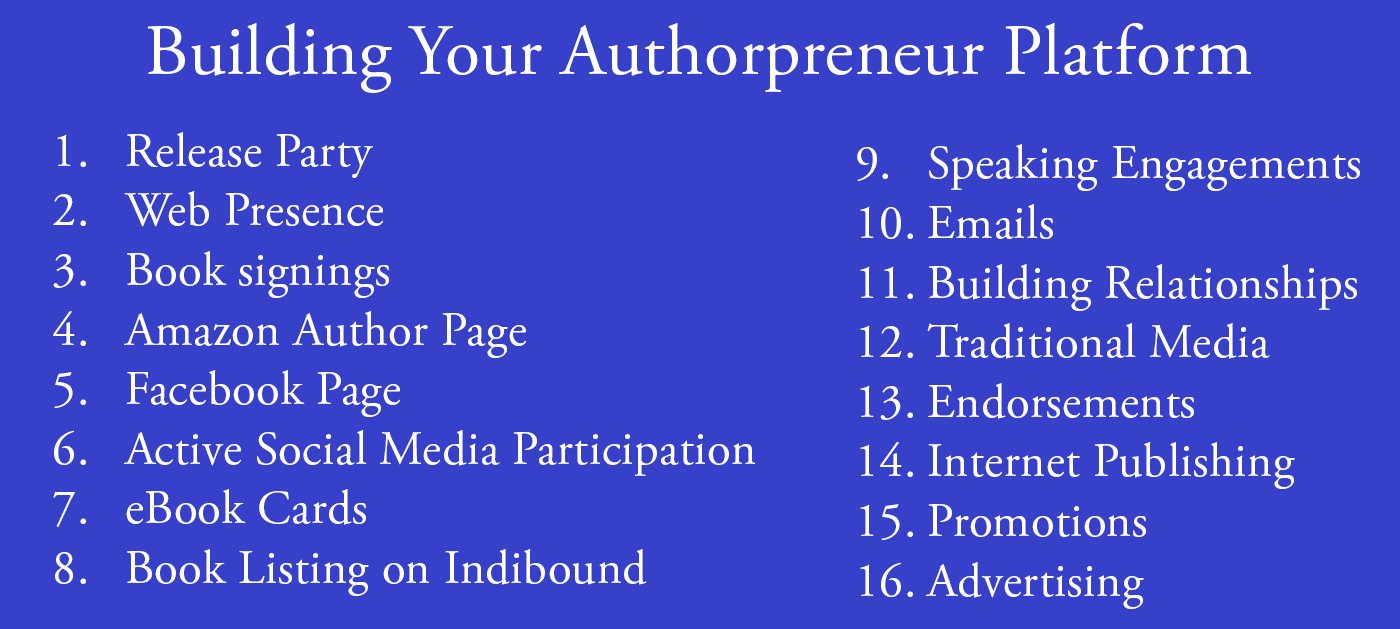

 Author Campaign Method (ACM) for Authorpreneurs
 This is Publication Consultants’ motivation for constantly striving to assist authors sell and market their books. Author Campaign Method (ACM) of sales and marketing is Publication Consultants’ plan to accomplish this so that our authors’ books have a reasonable opportunity for success. We know the difference between motion and direction. ACM is direction! ACM is the process for authorpreneurs who are serious about bringing their books to market. ACM is a boon for them.
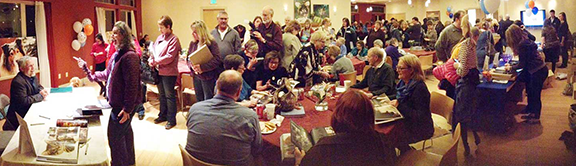 Release Party
 Web Presence
 Book Signings
 Amazon Author Page
 Facebook Profile and Facebook Page
 Active Social Media Participation
 Ebook Cards
 The Great Alaska Book Fair: October 8, 2016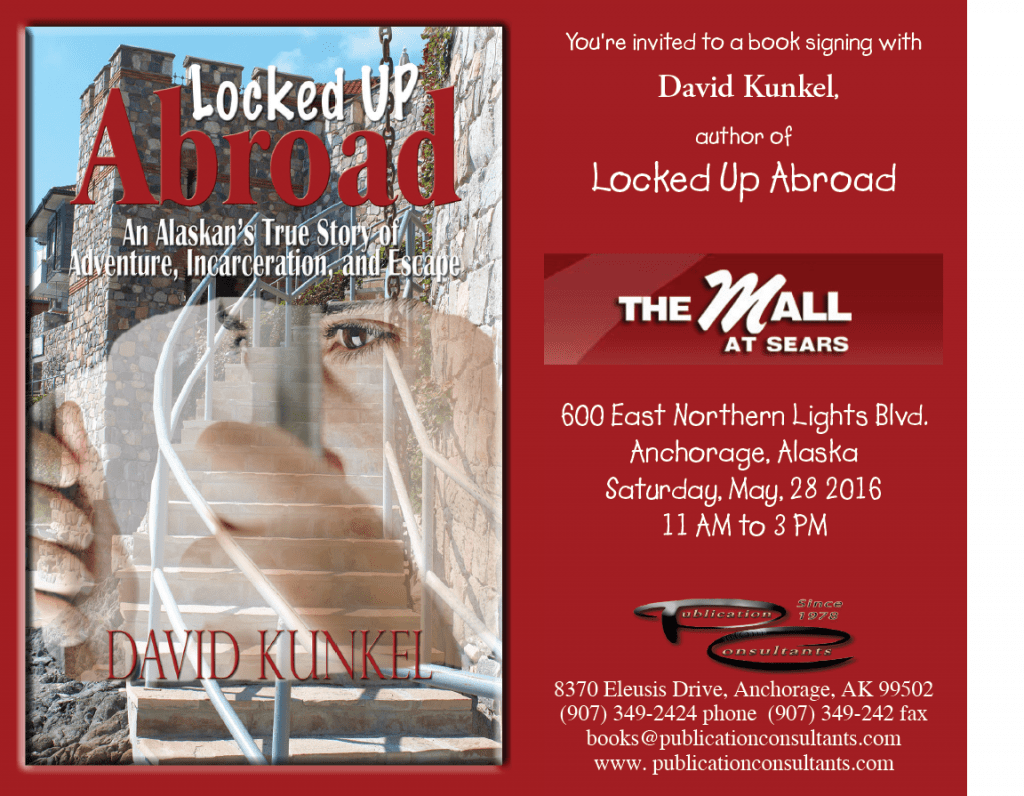
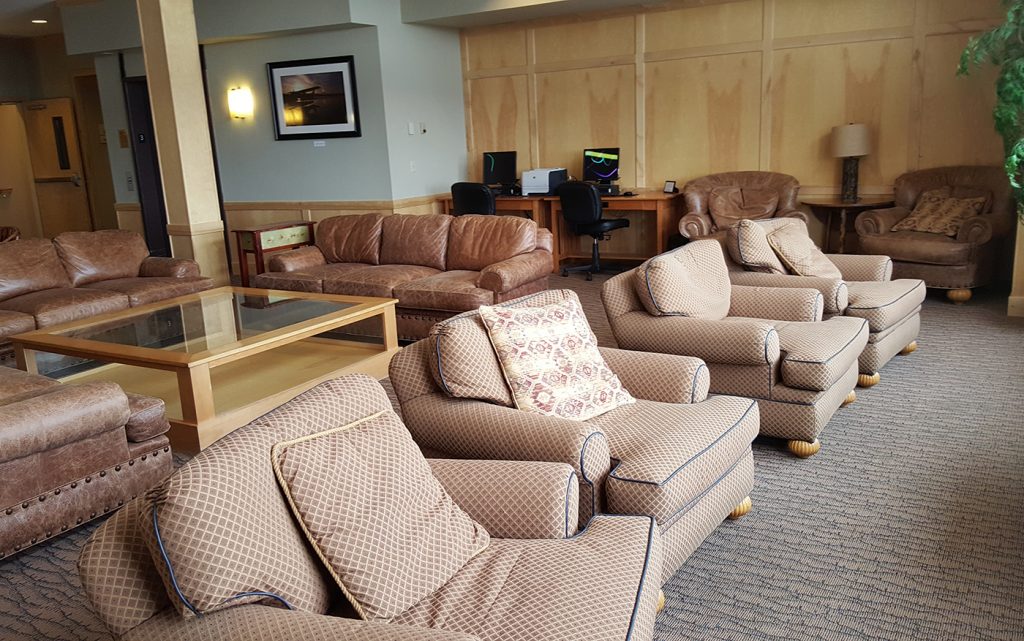
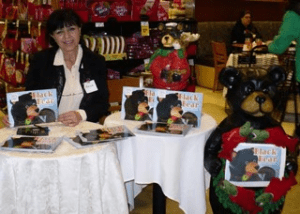
 Costco Book Signings
 eBook Cards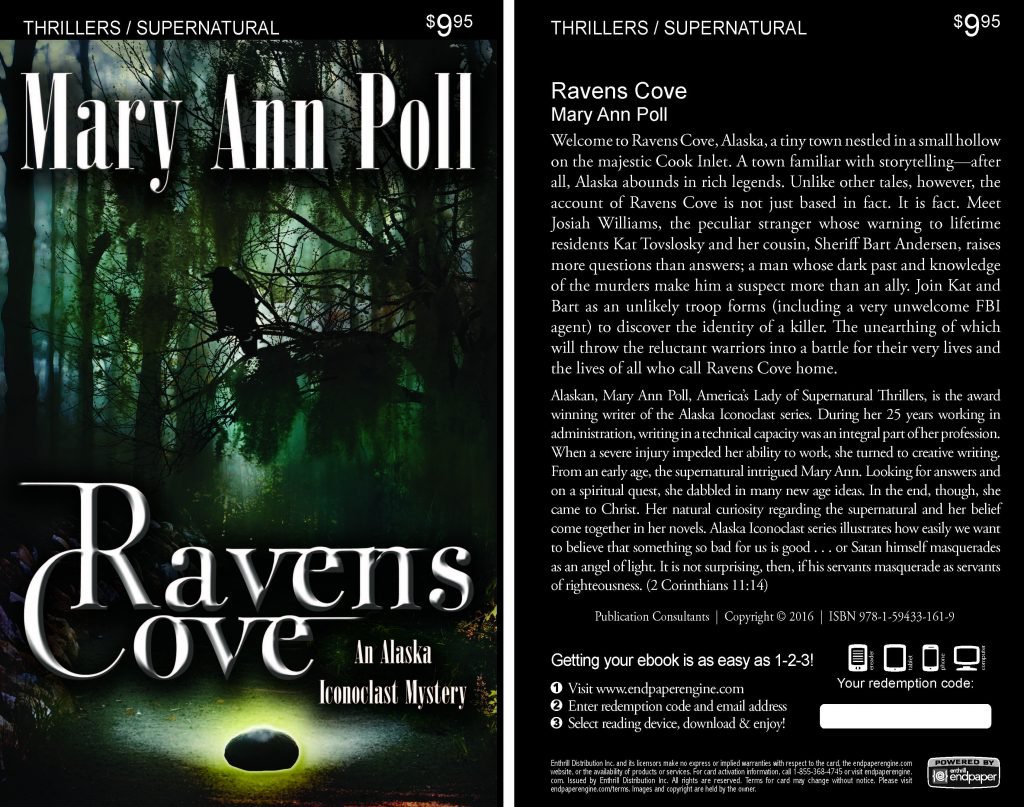

 Benjamin Franklin Award
 Jim Misko Book Signing at Barnes and Noble
 Cortex is for serious authors and will probably not be of interest to hobbyists. We recorded our Cortex training and information meeting. If you’re a serious author, and did not attend the meeting, and would like to review the training information, kindly let us know. Authors are required to have a Facebook author page to use Cortex.
 Correction:
 We take the quote by Marcella Smith, Small Press Business Manager, Barnes & Noble seriously: “The author is essential to the success of the book, giving energy behind the book to make it something that a customer will come in and ask for. That is what makes the difference in a book that sells, that develops legs, and has a life of its own. Otherwise the book goes on the shelf and stays there for three months. Then it gets returned.”
 This is Publication Consultants’ motivation for constantly striving to assist authors sell and market their books. ACM is Publication Consultants’ plan to accomplish this so that our authors’ books have a reasonable opportunity for success. We know the difference between motion and direction. ACM is direction! ACM is the process for authors who are serious about bringing their books to market. ACM is a boon for serious authors, but a burden for hobbyist. We don’t recommend ACM for hobbyists.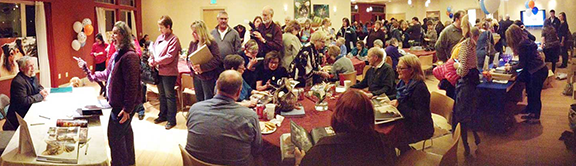

 We’re the only publisher we know of that provides authors with book signing opportunities. Book signing are appropriate for hobbyist and essential for serious authors. To schedule a book signing kindly go to our website, <
 An Author Page on Amazon Author Central is a serious author ACM requirement and desirable for the hobbyist. Author Central is a free resource designed to help authors become more active participants in the promotion of their books. In Author Central you can manage an Author Page, update information about your books, and view Customer Reviews and sales information for your bibliography. If you don’t already have an Author Page on
  We hear authors complain about all the personal stuff on Facebook. Most of these complaints are because the author doesn’t understand the difference difference between a Facebook profile and a Facebook page. Simply put, a profile is for personal things for friends and family; a page is for business. If your book is just a hobby, then it’s fine to have only a Facebook profile and make your posts for friends and family; however, if you’re serious about your writing, and it’s a business with you, or you want it to be business, then you need a Facebook page as an author. It’s simple to tell if it’s a page or a profile. A profile shows how many friends and a page shows how many likes. Here’s a link <> to a straight forward description on how to set up your author Facebook page.
 Active Social Media Participation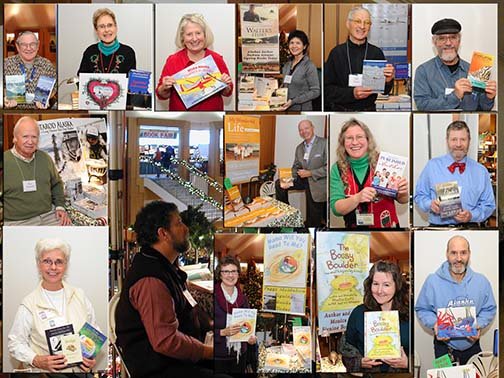


 Mosquito Books has a new location in the Anchorage international airport and is available for signings with 21 days notice. Jim Misko had a signing there yesterday. His signing report included these words, “Had the best day ever at the airport . . ..”


 The Lyin Kings: The Wannabe World Leaders
 Time and Tide


 ReadAlaska 2014
 Readerlink and Book Signings
 2014 Independent Publisher Book Awards Results
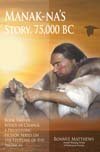
 Bonnye Matthews Radio Interview
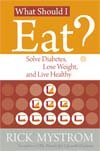 Rick Mystrom Radio Interview
 When he published those overseas blogs as the book The Innocents Abroad, it would become a hit. But you couldn’t find it in bookstores.
 More NetGalley
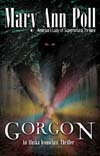 Mary Ann Poll


 Bumppo
 Computer Spell Checkers
 Seven Things I Learned From a Foreign Email
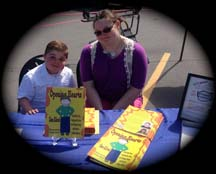 2014 Spirit of Youth Awards
 Book Signings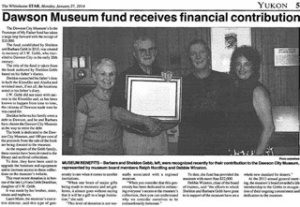
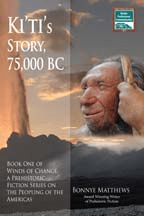
 Blog Talk Radio
 Publication Consultants Blog
 Book Signings

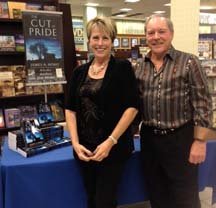

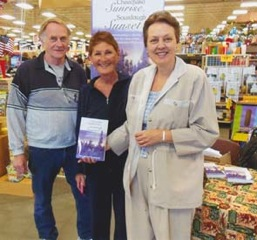 Don and Lanna Langdok
 Ron Walden
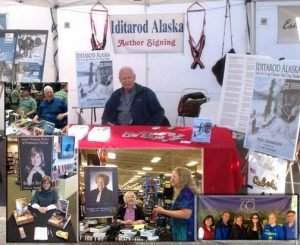 Book Signings Are Fun
 Release Party Video
 Erin’s book,
  Heather’s book,
  New Books