

Reviews Beyond Amazon
Amazon reviews tell readers your book has been read. Trade reviews tell librarians and booksellers your book has been evaluated.
 When I first met Weston Fields, he looked every bit the Kodiak fisherman — rubber boots, suspenders, wool shirt. He was there to support his mother, who had written a book about ranching history on the island. She spoke first. He said almost nothing. When he finally did, it was to tell me — gently — he had already edited her manuscript.
I chuckled to myself. He didn’t look like any editor I’d ever met.
Turns out, I was the one who needed editing.
Weston was a scholar, a linguist, and a historian who spoke five languages fluently. He had interviewed every living figure associated with the Dead Sea Scrolls. He served as Executive Director of the Dead Sea Scrolls Foundation. More than once, as we worked on The Dead Sea Scrolls: A Full History, he paused mid-conversation to confirm a detail — not online, not from a book, but from a prince on his speed dial. Fluent Arabic, calm tone, quiet certainty. Then back to work.
I looked at rubber boots and made an assumption. I was wrong. First impressions do not always tell us what something is worth. Sometimes we need an informed second opinion.
A book faces the same challenge. Friends may love it. Amazon readers may praise it. But a librarian deciding which titles to acquire or a bookstore manager deciding which books to stock sometimes wants a different kind of opinion — an evaluation from someone whose job is to evaluate books.
Read and Evaluated
Amazon reviews give us the experience of readers. A stranger read the book, formed an opinion, and shared it. The value is social proof — evidence the book has been read and responded to by real people.
Trade reviews give industry professionals an independent critical assessment. A professional reviewer — trained, experienced, and writing to the standard of traditional publishing criticism — reads the book and evaluates its quality, effectiveness, and audience. The value is professional credibility — evidence the book has been examined by someone with no personal connection to the author.
Neither replaces the other. Neither guarantees sales. They serve different purposes and reach different audiences.
The Options
Several services offer professional reviews to independent authors. Among the most recognized are Kirkus Indie Reviews, Foreword’s Clarion Reviews, BlueInk Review, and BookLife by Publishers Weekly. Each charges a fee — typically several hundred dollars — and assigns a professional reviewer to read and evaluate the book.
A positive trade review opens doors Amazon reviews cannot reach. Libraries use trade reviews from recognized publications to guide acquisition decisions. A strong review quote can be added to the book’s Amazon listing through Author Central’s Editorial Reviews section, where the publication’s name carries weight beyond the words themselves. The review also becomes a permanent piece of the media kit — useful in pitches to podcast hosts, journalists, event coordinators, and bookstores.
Most paid review services allow the author to choose whether an unfavorable review is published, but the investment is made regardless of the outcome. The review may be critical. It may identify weaknesses the author did not see. This is part of its value — an honest evaluation is useful even when it is uncomfortable.
What Is This For?
Before spending several hundred dollars on a professional review, ask the same question we ask before writing anything at Publication Consultants: What is this for?
If the answer is “I want another five-star review,” a trade review is the wrong tool. Professional reviewers do not write endorsements. They write evaluations.
If the answer is “I want an independent critical assessment helping me approach librarians, booksellers, or media with credibility,” then investigate the options. Research the services. Compare their costs, timelines, and the audiences they reach. Choose the one serving your book’s specific goals.
If the answer is “My book’s audience is reached primarily through Amazon and direct sales,” the investment may serve the author better elsewhere — in advertising, in events, in building the email list.
I looked at Weston Fields and saw a fisherman. What I missed was a scholar who could telephone a prince to check a fact. The trade review exists because first impressions — even good ones — are not the only kind of evaluation worth having.
If this idea resonates with you, you will find the same philosophy throughout The Power of Authors by Evan and Lois Swensen, where every decision in the author’s journey begins with the question: What is this for?
The Power of Authors is available from Amazon or your favorite bookseller: http://evanswensen.com. If you’d like an autographed copy, you can order it here: http://bit.ly/4pgmzjM.

 It is the summer of 1951. London is still pockmarked with bomb sites. Food is still rationed. Men who survived the Burma Railway, the North Atlantic convoys, the firebombing of cities have come home to a country worn to nothing by six years of war and five more of austerity. The war ended in 1945. The damage did not.
 Robin Barefield lives in the wilderness on Kodiak Island, where she and her husband own a remote lodge. She wrote her first novel, Murder Over Kodiak, powered by a generator, miles from the nearest road. No MFA. No publishing connections. No high-speed internet.
 A reader once walked into a bookstore and said, “I’m looking for a mystery set in Alaska.” The bookseller reached for a shelf and handed her a book.
 The ceremony is the same every year. The names are the same. The readers change — grown children now where small children once stood, grandchildren where children once stood. The memorial pools fill the footprints of the towers. The water falls continuously.
 Open a browser you do not normally use. Type your name. Hit search.
 He had grown up in Bujumbura, the capital — the son of a French father and a Rwandan Tutsi mother. In 1994, the genocide in neighboring Rwanda killed between 500,000 and 800,000 people in one hundred days. Civil war followed in Burundi. His family left. He grew up in France.
 The morning after. The folding tables are back in the garage. The leftover food is in the refrigerator. The unsold books are stacked on the dining room table. The banner is rolled up in the corner.
 Lee came to the United States from Seoul at age three, with his mother and sister, to join his father, a psychiatrist who had immigrated earlier. He grew up in Westchester County, outside New York City. As a child, he often translated for his Korean-speaking mother. He stood between two languages for her, carrying her words into English and the world’s words back to her.
 Monday morning. A bookstore manager sits down with forty-seven unread messages. She has an hour before the store opens. She is deciding which emails deserve her attention and which ones can wait.
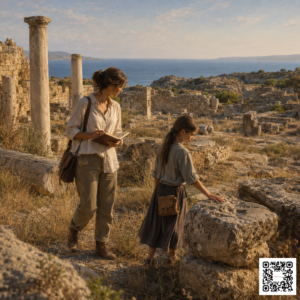 The novelist Ella Camposanto has arrived in Sicily with her twelve-year-old daughter, Manuela. They are staying near the ruins where the narrator’s grandmother once worked on an archaeological dig. The summer is full of volcanic rumbles and sudden storms. The narrator’s mother is beginning to forget.
 When I was publishing Alaska Outdoors magazine, the head of the journalism department at the University of Alaska sent me a submission. It was so poorly written, I took it for a joke. I answered it as a joke, only to learn the author was serious. He simply had such an inflated self-image; his writing read like a spoof. It was no spoof.
 At 8:15 on the morning of August 6, 1945, Kiyoshi Tanimoto was on the outskirts of Hiroshima, unloading a handcart at a house in the suburb of Koi. He was two miles from the city center. He had slept poorly — the overnight air-raid warnings had kept him up — and he had risen early and set out with the cart.
 Two books publish on the same Tuesday.
 Among the nineteen longlisted novelists this year are writers who have been writing for a long time before this first novel existed.
 You check your Amazon page for the first time after your launch team has done its work. The reviews are there. Three in the first week. Your heart lifts. Then you notice the label beneath one of them.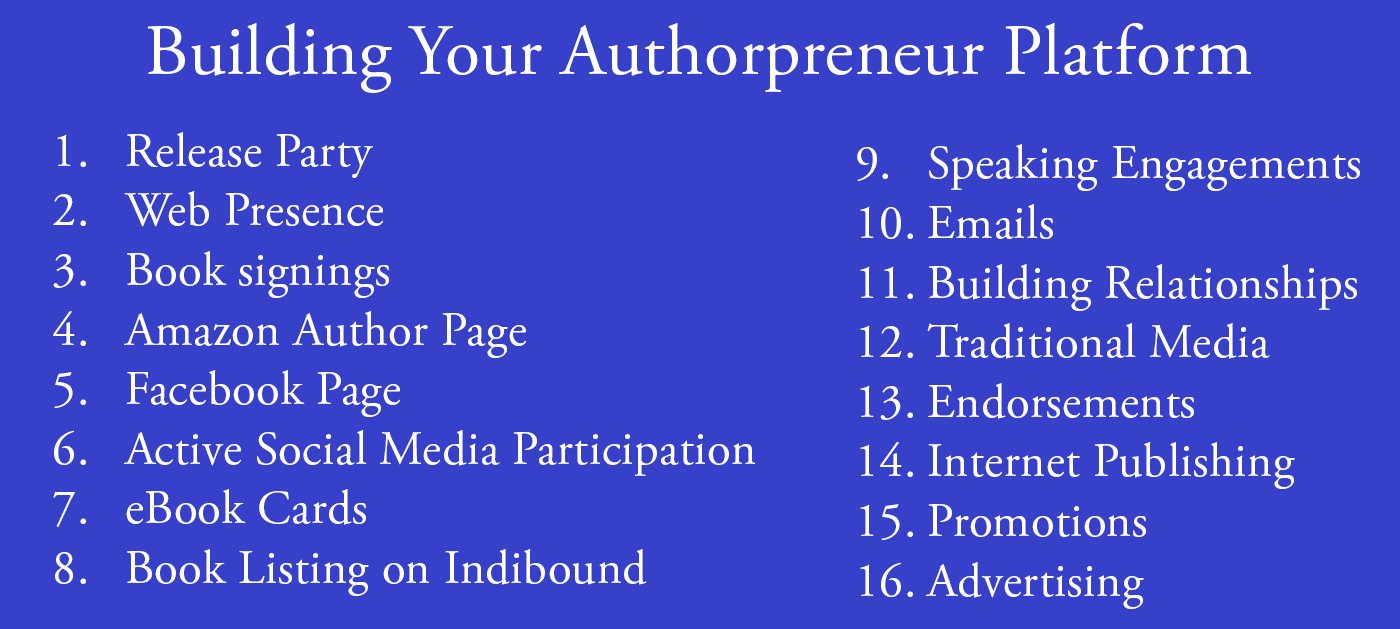
 Author Campaign Method (ACM) for Authorpreneurs
 This is Publication Consultants’ motivation for constantly striving to assist authors sell and market their books. Author Campaign Method (ACM) of sales and marketing is Publication Consultants’ plan to accomplish this so that our authors’ books have a reasonable opportunity for success. We know the difference between motion and direction. ACM is direction! ACM is the process for authorpreneurs who are serious about bringing their books to market. ACM is a boon for them.
 Release Party
 Web Presence
 Book Signings
 Amazon Author Page
 Facebook Profile and Facebook Page
 Active Social Media Participation
 Ebook Cards
 The Great Alaska Book Fair: October 8, 2016


 Costco Book Signings
 eBook Cards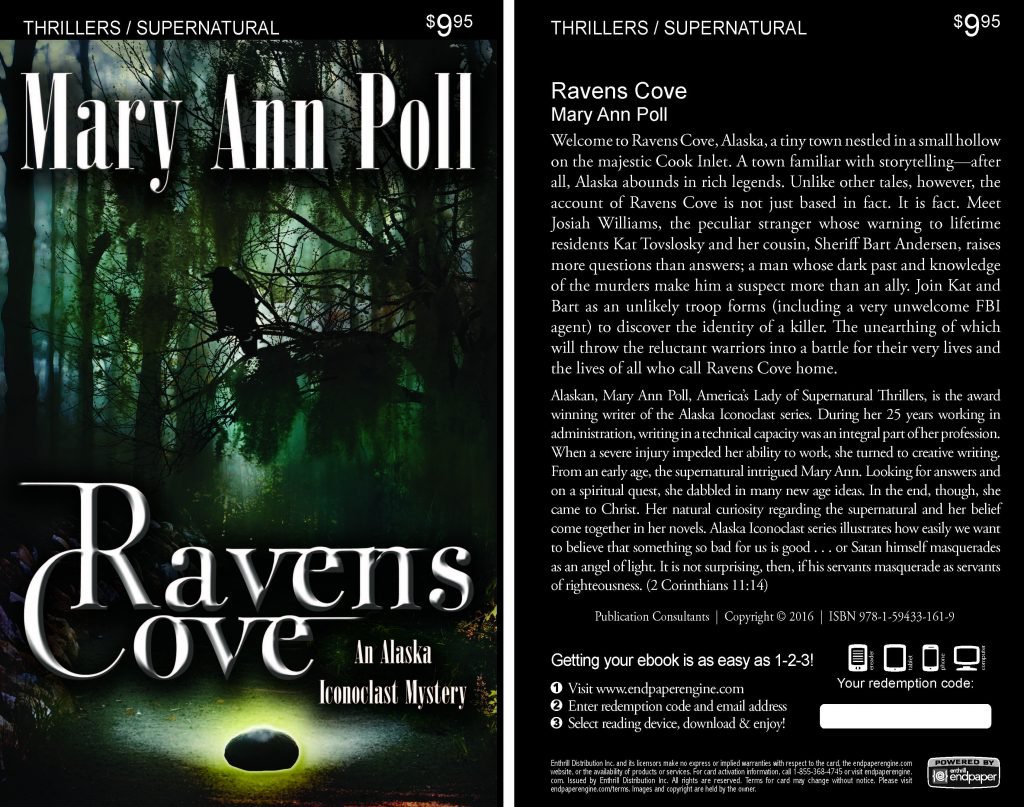

 Benjamin Franklin Award
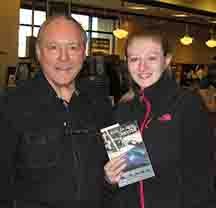 Jim Misko Book Signing at Barnes and Noble
 Cortex is for serious authors and will probably not be of interest to hobbyists. We recorded our Cortex training and information meeting. If you’re a serious author, and did not attend the meeting, and would like to review the training information, kindly let us know. Authors are required to have a Facebook author page to use Cortex.
 Correction:
 We take the quote by Marcella Smith, Small Press Business Manager, Barnes & Noble seriously: “The author is essential to the success of the book, giving energy behind the book to make it something that a customer will come in and ask for. That is what makes the difference in a book that sells, that develops legs, and has a life of its own. Otherwise the book goes on the shelf and stays there for three months. Then it gets returned.”
 This is Publication Consultants’ motivation for constantly striving to assist authors sell and market their books. ACM is Publication Consultants’ plan to accomplish this so that our authors’ books have a reasonable opportunity for success. We know the difference between motion and direction. ACM is direction! ACM is the process for authors who are serious about bringing their books to market. ACM is a boon for serious authors, but a burden for hobbyist. We don’t recommend ACM for hobbyists.

 We’re the only publisher we know of that provides authors with book signing opportunities. Book signing are appropriate for hobbyist and essential for serious authors. To schedule a book signing kindly go to our website, <
 An Author Page on Amazon Author Central is a serious author ACM requirement and desirable for the hobbyist. Author Central is a free resource designed to help authors become more active participants in the promotion of their books. In Author Central you can manage an Author Page, update information about your books, and view Customer Reviews and sales information for your bibliography. If you don’t already have an Author Page on
  We hear authors complain about all the personal stuff on Facebook. Most of these complaints are because the author doesn’t understand the difference difference between a Facebook profile and a Facebook page. Simply put, a profile is for personal things for friends and family; a page is for business. If your book is just a hobby, then it’s fine to have only a Facebook profile and make your posts for friends and family; however, if you’re serious about your writing, and it’s a business with you, or you want it to be business, then you need a Facebook page as an author. It’s simple to tell if it’s a page or a profile. A profile shows how many friends and a page shows how many likes. Here’s a link <> to a straight forward description on how to set up your author Facebook page.
 Active Social Media Participation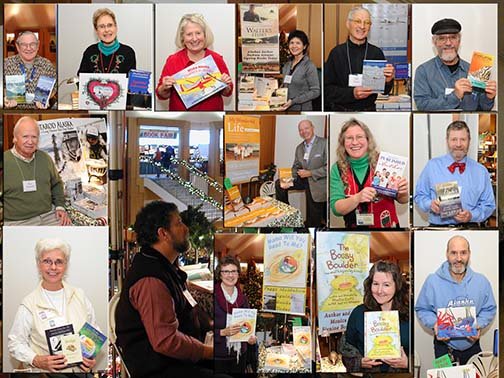


 Mosquito Books has a new location in the Anchorage international airport and is available for signings with 21 days notice. Jim Misko had a signing there yesterday. His signing report included these words, “Had the best day ever at the airport . . ..”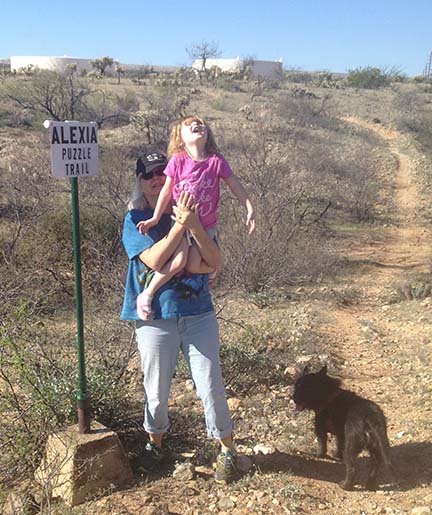


 The Lyin Kings: The Wannabe World Leaders
 Time and Tide


 ReadAlaska 2014
 Readerlink and Book Signings
 2014 Independent Publisher Book Awards Results
 Bonnye Matthews Radio Interview
 Rick Mystrom Radio Interview
 When he published those overseas blogs as the book The Innocents Abroad, it would become a hit. But you couldn’t find it in bookstores.
 More NetGalley
 Mary Ann Poll


 Bumppo
 Computer Spell Checkers
 Seven Things I Learned From a Foreign Email
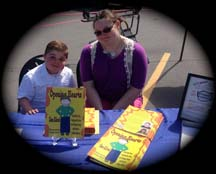 2014 Spirit of Youth Awards
 Book Signings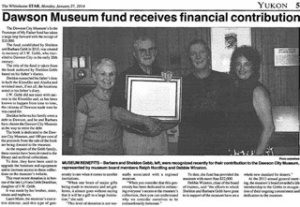
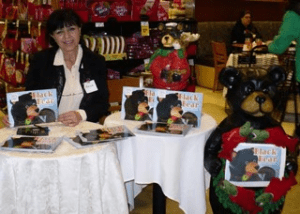
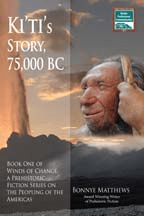
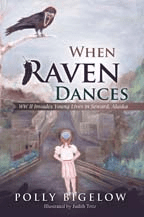 Blog Talk Radio
 Publication Consultants Blog
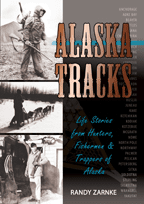 Book Signings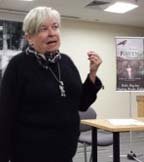

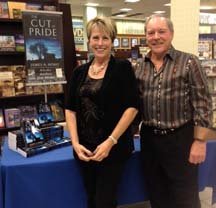

 Don and Lanna Langdok
 Ron Walden
 Book Signings Are Fun
 Release Party Video
 Erin’s book,
  Heather’s book,
  New Books
Equal Rights for Go Lights
Equal Rights for Go Lights
By: George Khan
From the fictional town of Cedar Valley, where characters from Quiet Echo continue to respond to real-world events.
It seems these days, everyone’s demanding equal rights for something. There are committees, task forces, and hashtags for every cause under the sun. So I figured it’s time we conservatives joined the movement—just to keep things fair. Today, I’m standing up for the most overlooked minority in America: the Go Light.
That’s right. For too long, we’ve bowed to the tyranny of the Stop Light. Drive through Cedar Valley, and you’ll hear it everywhere: “Turn left at the stop light.” “I caught the stop light again.” Nobody ever says, “Hey, I made it through the go light!”
Why not? The go light works just as long as the stop light. It’s the one pushing us forward, keeping traffic flowing, making sure kids get to school and farmers get to market. But it’s treated like the second-class citizen of the intersection. Red gets the authority. Yellow gets the drama. Go just gets ignored.
If Washington gets wind of this, I can already see what’s coming—some federal “Color Equity Program” with a dozen consultants explaining how we’ve been subconsciously favoring red. We’ll get a Department of Intersectional Justice, complete with sensitivity training for drivers who use the phrase “stop light.” Don’t laugh—it could happen.
Some bureaucrat will announce that calling it a stop light is offensive to go lights everywhere. They’ll issue a 60-page manual with new terms like “Pause Light” and “Motion-Positive Signal.” And just wait until the road paint gets redesigned to avoid triggering red-yellow-green hierarchies.
But here in Cedar Valley, we still believe in plain language and plain sense. Red means stop. Yellow means think. Go means go. Nobody needs a think tank to explain that. And maybe that’s the real point. In a world trying to balance everything equally—even things that don’t need balancing—we’ve forgotten how to appreciate the simple.
The go light doesn’t ask for attention. It just does its job. It’s the color of motion, confidence, and trust. You see it, and you move forward. No fanfare, no fuss, no congressional funding required.
So I say it’s time we give the go light a little respect. Maybe even rename those intersections properly. They’re not “stop light corners”—they’re “go light intersections.” After all, progress isn’t about standing still. It’s about knowing when to move, and having the courage to do it when the light turns go.
This editorial is part of the fictional Cedar Valley News series. While the people and town are fictional, the national events they reflect on are real.
It’s free, live, and fresh! Quiet Echo—A Cedar Valley News Podcast is live on Apple Podcasts: https://bit.ly/4nV8XsE, Spotify: https://bit.ly/4hdNHfX, YouTube: https://bit.ly/48Zfu1g , and Podcastle: https://bit.ly/4pYRstE. Every day, you can hear Cedar Valley’s editorials read aloud by the voices you’ve come to know—warm, steady, and rooted in the values we share. Step into the rhythm of our town, one short reflection at a time. Wherever you listen, you’ll feel right at home. Presented by the Readers and Writers Book Club: https://bit.ly/3KLTyg4
Recent Posts
Feeding the Town Twice
Feeding the Town Twice
The People Who Wind the Clock
Reviews Beyond Amazon
The Town They Could Not Cancel
The Town They Could Not Cancel
The Man at the Bench
The Man You Blame for the Price
A Tonic for the Nation
We Regret the Error
A Fist You Cannot Open
How Readers Find Books Now
A Home It Has Never Seen
Something Big
Under One Roof
The Third Place
The Poem Found Its Readers
The Poem Found Its Readers
You Are the Meeting
The Warm Rock