

Cedar Valley News
January 30, 2026
The Peacemaking We Already Know
By: Lars Olson
From the fictional town of Cedar Valley, where characters from Quiet Echo continue to respond to real-world events.
 Utah Governor Spencer Cox stood in the Washington National Cathedral last month, beside Pennsylvania Governor Josh Shapiro, and asked Americans to lay down their swords.
A Republican and a Democrat. A Latter-day Saint and a Jew. Two men who disagree on plenty—standing together to remind us that disagreement does not have to mean destruction.
Governor Cox has spent years building what he calls the “Disagree Better” movement. The idea is simple: we can hold firm to our convictions and still treat the person across the table as a human being. We can argue without hating. We can lose an argument and keep a neighbor.
This is not a new idea. It is as old as faith itself.
Cox draws on his faith to ground this work. “There is a peacemaking ethos in every religion,” he has said. He is right. The scriptures of every tradition call us to something higher than winning. They call us to love—even when love is inconvenient, even when the person we are called to love votes differently, worships differently, sees the world through a lens we do not share.
In Cedar Valley, we know this story. We lived it.
When the Khan family arrived—Pakistani Christians who had fled persecution in their homeland—not everyone was glad to see them. There were hard words and harder silences. But there were also people who chose differently. People who brought a casserole instead of a complaint. People who showed up at the deli not to make a point, but to make a friend.
We did not agree on everything. We still do not. George Khan and I have had conversations on that front porch that went deep into the night—conversations where neither of us changed the other’s mind. But we changed something else. We became brothers. Not despite our differences. Through them.
That is the secret Governor Cox is trying to share with the country. You do not have to agree to belong to each other. You do not have to surrender your convictions to extend your hand.
The research backs him up. Face-to-face contact with people who are different from us changes us—not by making us abandon what we believe, but by making it harder to hate. Service does the same thing. When you are building something together, stacking sandbags or serving meals or raising a barn, the labels fall away. What remains is the work. What remains is the neighbor.
This week, we have written about skilled trades and the dignity of working hands. We have written about analog childhoods and the gift of boredom. Now I want to close the week with this: the peacemaking we need is not something we have to invent. It is something we have to remember.
Every faith teaches it. Every front porch can practice it. Every family dinner can become a place where we disagree without destroying.
Governor Cox asked the question we all need to ask: “Is this what 250 years has wrought on us?” America turns 250 this July. The answer to that question depends on what we do next—not in Washington, but in our own towns, our own churches, our own kitchens.
Blessed are the peacemakers. Not the peacekeepers—the ones who avoid conflict at any cost. The peacemakers. The ones who walk into the hard conversation and come out the other side with something built instead of something broken.
That is the work. That is the calling. And it starts, as it always has, on the front porch.
This editorial is part of the fictional Cedar Valley News series. While the people and town are fictional, the national events they reflect on are real.
Want to know the full story behind Cedar Valley? Teresa, Caleb, Dan, and the community you have come to know in these editorials first came together in Quiet Echo: When Loud Voices Divide, Quiet Ones Bring Together. Discover how a small town found its way from fear to fellowship—one quiet act of courage at a time. Available on Amazon: https://bit.ly/3ME4nSs


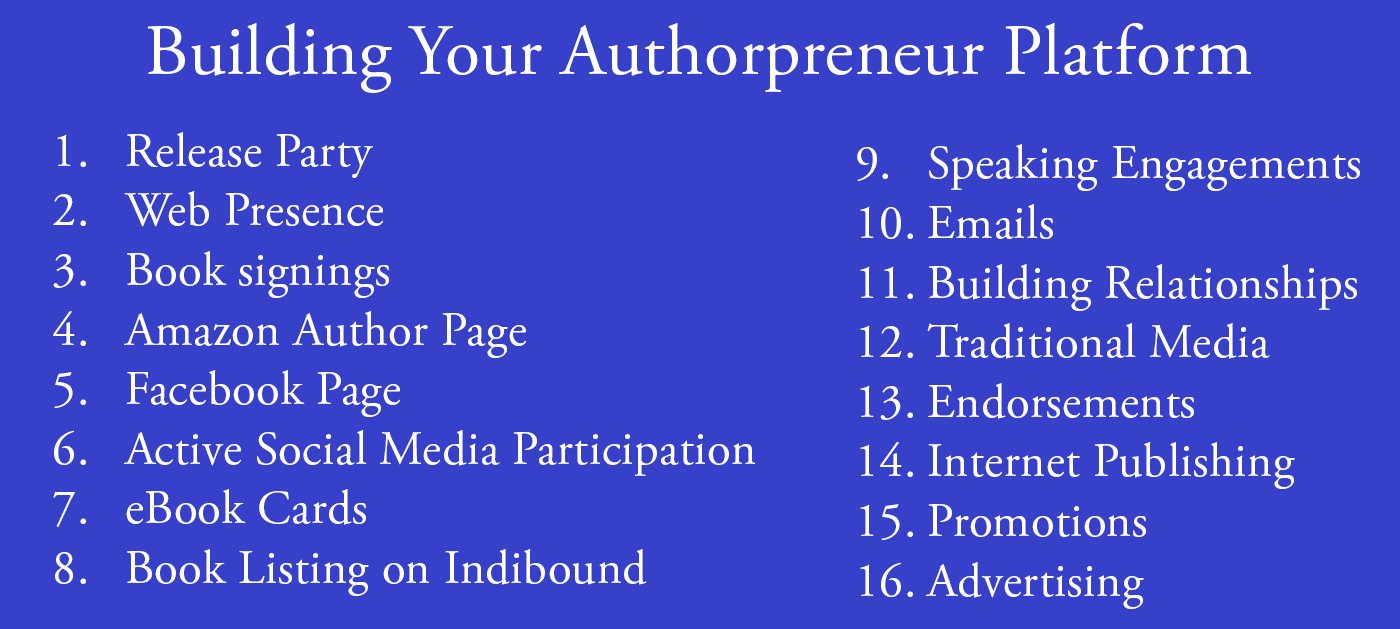

 Author Campaign Method (ACM) for Authorpreneurs
 This is Publication Consultants’ motivation for constantly striving to assist authors sell and market their books. Author Campaign Method (ACM) of sales and marketing is Publication Consultants’ plan to accomplish this so that our authors’ books have a reasonable opportunity for success. We know the difference between motion and direction. ACM is direction! ACM is the process for authorpreneurs who are serious about bringing their books to market. ACM is a boon for them.
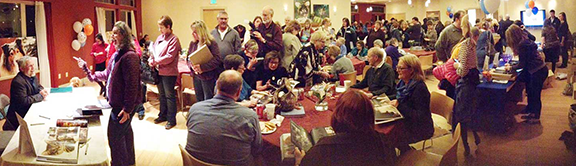 Release Party
 Web Presence
 Book Signings
 Amazon Author Page
 Facebook Profile and Facebook Page
 Active Social Media Participation
 Ebook Cards
 The Great Alaska Book Fair: October 8, 2016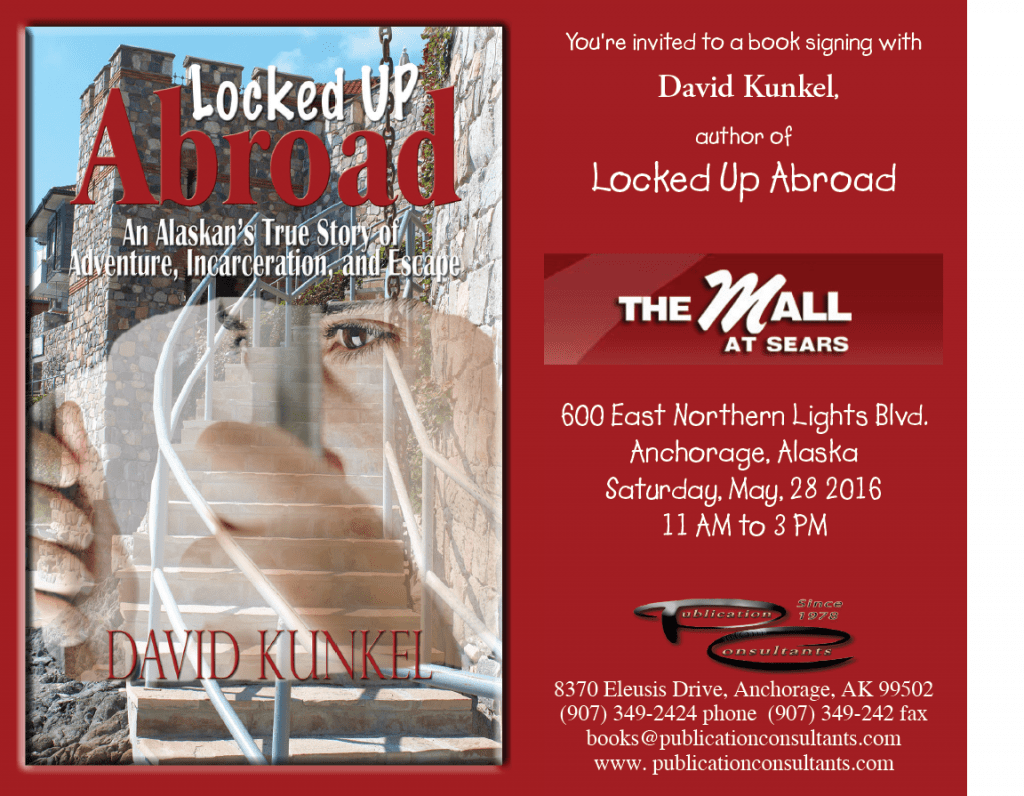

 Costco Book Signings
 eBook Cards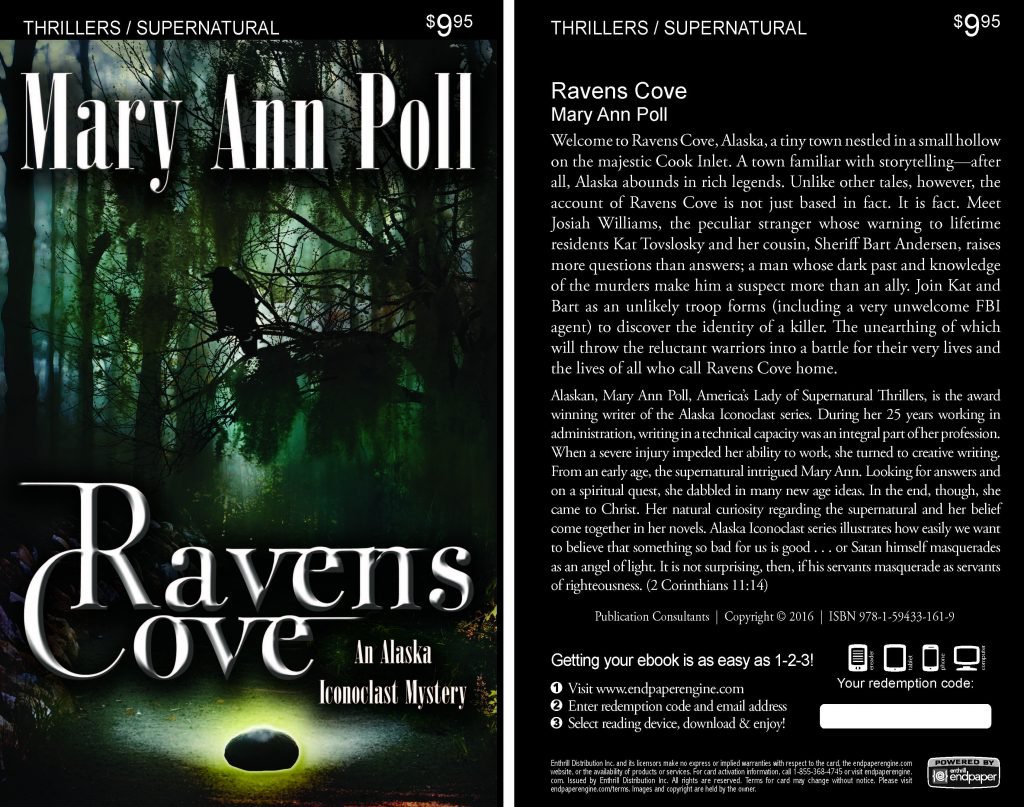

 Benjamin Franklin Award
 Jim Misko Book Signing at Barnes and Noble
 Cortex is for serious authors and will probably not be of interest to hobbyists. We recorded our Cortex training and information meeting. If you’re a serious author, and did not attend the meeting, and would like to review the training information, kindly let us know. Authors are required to have a Facebook author page to use Cortex.
 Correction:
 We take the quote by Marcella Smith, Small Press Business Manager, Barnes & Noble seriously: “The author is essential to the success of the book, giving energy behind the book to make it something that a customer will come in and ask for. That is what makes the difference in a book that sells, that develops legs, and has a life of its own. Otherwise the book goes on the shelf and stays there for three months. Then it gets returned.”
 This is Publication Consultants’ motivation for constantly striving to assist authors sell and market their books. ACM is Publication Consultants’ plan to accomplish this so that our authors’ books have a reasonable opportunity for success. We know the difference between motion and direction. ACM is direction! ACM is the process for authors who are serious about bringing their books to market. ACM is a boon for serious authors, but a burden for hobbyist. We don’t recommend ACM for hobbyists.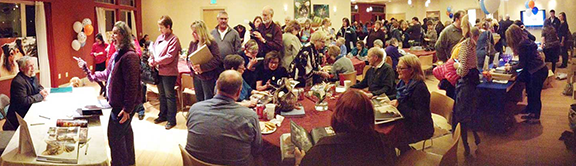

 We’re the only publisher we know of that provides authors with book signing opportunities. Book signing are appropriate for hobbyist and essential for serious authors. To schedule a book signing kindly go to our website, <
 An Author Page on Amazon Author Central is a serious author ACM requirement and desirable for the hobbyist. Author Central is a free resource designed to help authors become more active participants in the promotion of their books. In Author Central you can manage an Author Page, update information about your books, and view Customer Reviews and sales information for your bibliography. If you don’t already have an Author Page on
  We hear authors complain about all the personal stuff on Facebook. Most of these complaints are because the author doesn’t understand the difference difference between a Facebook profile and a Facebook page. Simply put, a profile is for personal things for friends and family; a page is for business. If your book is just a hobby, then it’s fine to have only a Facebook profile and make your posts for friends and family; however, if you’re serious about your writing, and it’s a business with you, or you want it to be business, then you need a Facebook page as an author. It’s simple to tell if it’s a page or a profile. A profile shows how many friends and a page shows how many likes. Here’s a link <> to a straight forward description on how to set up your author Facebook page.
 Active Social Media Participation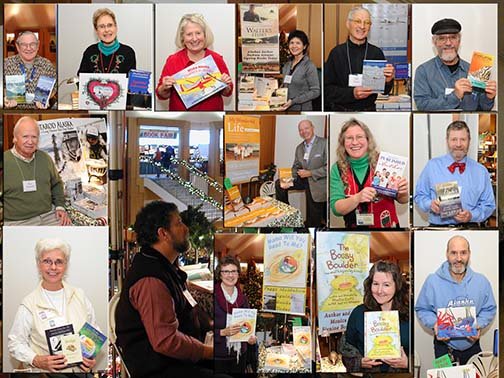


 Mosquito Books has a new location in the Anchorage international airport and is available for signings with 21 days notice. Jim Misko had a signing there yesterday. His signing report included these words, “Had the best day ever at the airport . . ..”


 The Lyin Kings: The Wannabe World Leaders
 Time and Tide


 ReadAlaska 2014
 Readerlink and Book Signings
 2014 Independent Publisher Book Awards Results
 Bonnye Matthews Radio Interview
 Rick Mystrom Radio Interview
 When he published those overseas blogs as the book The Innocents Abroad, it would become a hit. But you couldn’t find it in bookstores.
 More NetGalley
 Mary Ann Poll


 Bumppo
 Computer Spell Checkers
 Seven Things I Learned From a Foreign Email
 2014 Spirit of Youth Awards
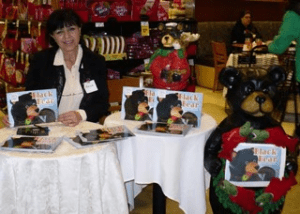
 Book Signings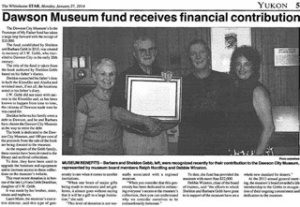
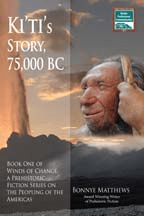
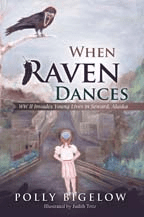 Blog Talk Radio
 Publication Consultants Blog
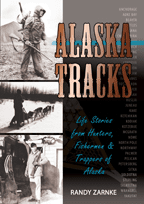 Book Signings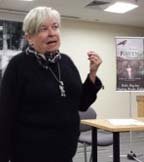

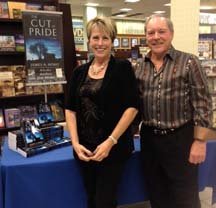

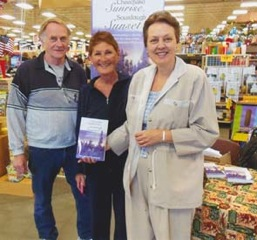 Don and Lanna Langdok
 Ron Walden
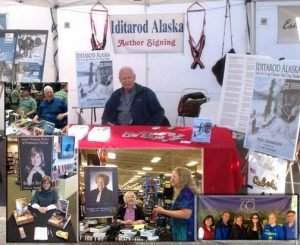 Book Signings Are Fun
 Release Party Video
 Erin’s book,
  Heather’s book,
  New Books