


The days between Christmas and New Year belong to no one.
The obligations haven’t disappeared—they’re waiting on the other side of January 1. But for these few days, they’ve released their grip. The phone stops with its emergencies. The inbox stops pretending everything is urgent. Even the people around you move more slowly, expect less.
 Most people fill this week with noise. They binge television, scroll their phones, stay busy with small tasks that feel like productivity without its substance. They’re waiting for the new year to grant them permission.
Writers can’t afford to wait. The waiting is where manuscripts go to die.
Every writer carries unfinished work.
It sits in desk drawers, in laptop folders, in the back corners of the mind. The memoir that’s two-thirds drafted. The novel needs one more pass. The business book that’s been “almost ready” for three years.
We tell ourselves we’ll get to it. When things slow down. When we have a clear weekend. When inspiration strikes. We’ve said this so many times we’ve stopped hearing ourselves say it.
The unfinished manuscript becomes furniture. We mention it at dinner parties—”I’m working on a book”—and the words have become so rehearsed they’ve lost their meaning.
But it hasn’t lost its weight. It whispers that we’re the kind of person who starts things and doesn’t finish. Who talks about writing but doesn’t publish. Who had something to say but never quite said it.
Every year the book stays in the drawer is another year of evidence that it will never leave.
I’ve run Publication Consultants long enough to see the pattern. Every January, manuscripts arrive that didn’t exist in our inbox on December 15. These aren’t new projects. Most have been sitting for months or years.
What changed wasn’t the manuscript. What changed was the writer.
Somewhere in this quiet week, they made a decision. Not a resolution—resolutions are wishes in calendar clothes. They rely on willpower, and willpower fades by February. A resolution says “I should.” A decision says “I will.”
Something about this threshold week makes decisions possible. The excuses that sound reasonable in October—too busy, not ready, need more research—ring hollow when you’re sitting in a quiet house with nothing on the calendar. Excuses require noise to survive. In the silence, they starve.
What’s left is the question.
What can I polish and publish in 2026?
Notice what it’s not asking. Not what you’d like to accomplish someday. Someday is a graveyard. It has no address, no deadline, no accountability.
The question is specific. Polish—work already begun, needing refinement rather than creation. Publish—not finish in the abstract, but in readers’ hands, real. 2026—these next twelve months, a container with edges.
The writers who answer this question specifically—with a title, a timeline, a plan—are the ones whose manuscripts arrive in January. The ones who let it drift will ask the same question next December.
Deciding to finish isn’t about time management. Time is never the real problem. We have the same hours as every writer who ever finished a book while holding a job and raising children.
What decision requires is harder. It means ending the protection of the unfinished state.
An unfinished manuscript can still be perfect. It hasn’t met the world and discovered its limitations. To decide to finish is to accept the book will be imperfect. That readers will misunderstand. That critics will find flaws.
The drawer is safe. Publication is exposure.
The decision to finish is really a decision about what kind of writer you’ll be. One who protects possibilities, or one who creates actualities.
The quiet week won’t last. The calendar will fill. The noise will return. The excuses will sound reasonable again.
You have this threshold. This stillness that comes once a year.
What can I polish and publish in 2026?
Write it down tonight. The title. The timeline. The first step. Make it specific enough that you’ll know whether you’ve done it.
Then when January comes, you won’t be resolving to write. You’ll be following through on a decision already made.
The deciding happens now. The manuscripts arrive in January.
What will you decide?
And once you’ve decided—once the manuscript leaves the drawer and enters the world—a deeper question waits. You already know how to write. You know what to write. But why? Why this book? Why you? Why does it matter whether these words reach readers or stay hidden?
That’s where the real power lives. Not in craft. Not in subject matter. In purpose.
We wrote The Power of Authors for the writer who senses there’s something more at stake than publication. It’s not about how to finish. It’s about why finishing matters—and why that question changes everything.
The Power of Authors: A Rallying Cry for Today’s Writers to Recognize Their Power, Rise to Their Calling, and Write with Moral Conviction. The book is available on Amazon: http://bit.ly/3K6o8AM. If you’d like an autographed copy, you can order it here: http://bit.ly/4pgmzjM.


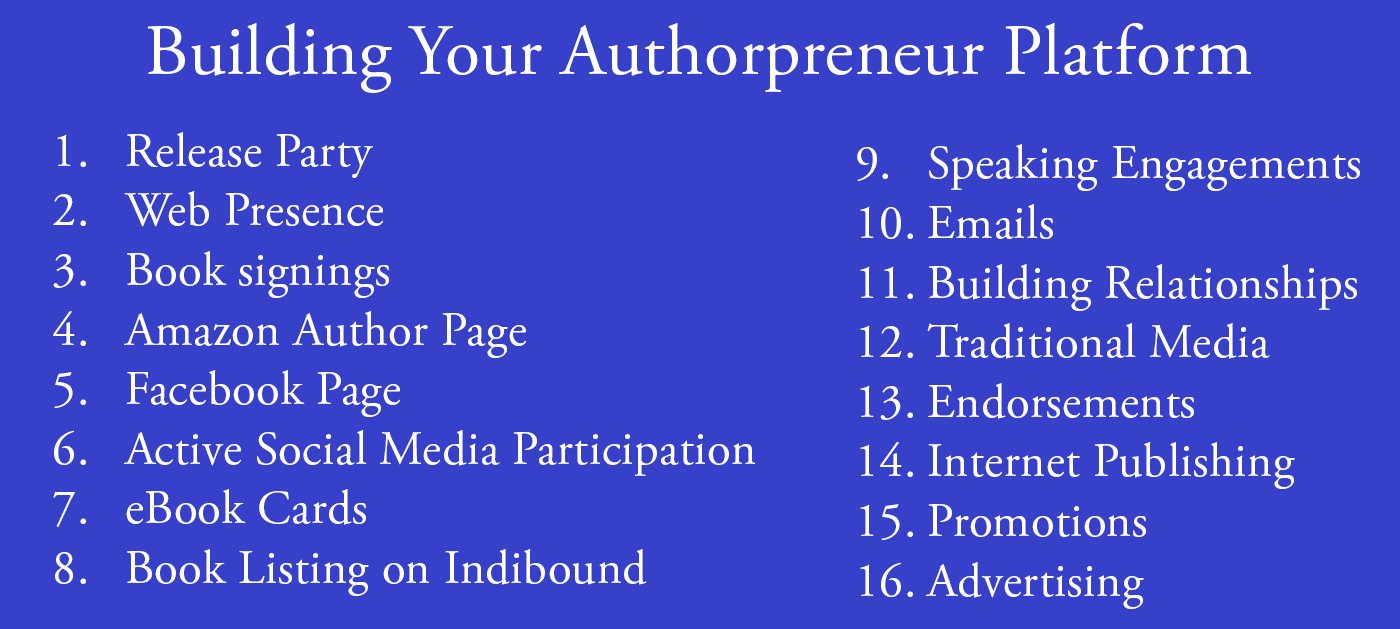

 Author Campaign Method (ACM) for Authorpreneurs
 This is Publication Consultants’ motivation for constantly striving to assist authors sell and market their books. Author Campaign Method (ACM) of sales and marketing is Publication Consultants’ plan to accomplish this so that our authors’ books have a reasonable opportunity for success. We know the difference between motion and direction. ACM is direction! ACM is the process for authorpreneurs who are serious about bringing their books to market. ACM is a boon for them.
 Release Party
 Web Presence
 Book Signings
 Amazon Author Page
 Facebook Profile and Facebook Page
 Active Social Media Participation
 Ebook Cards
 The Great Alaska Book Fair: October 8, 2016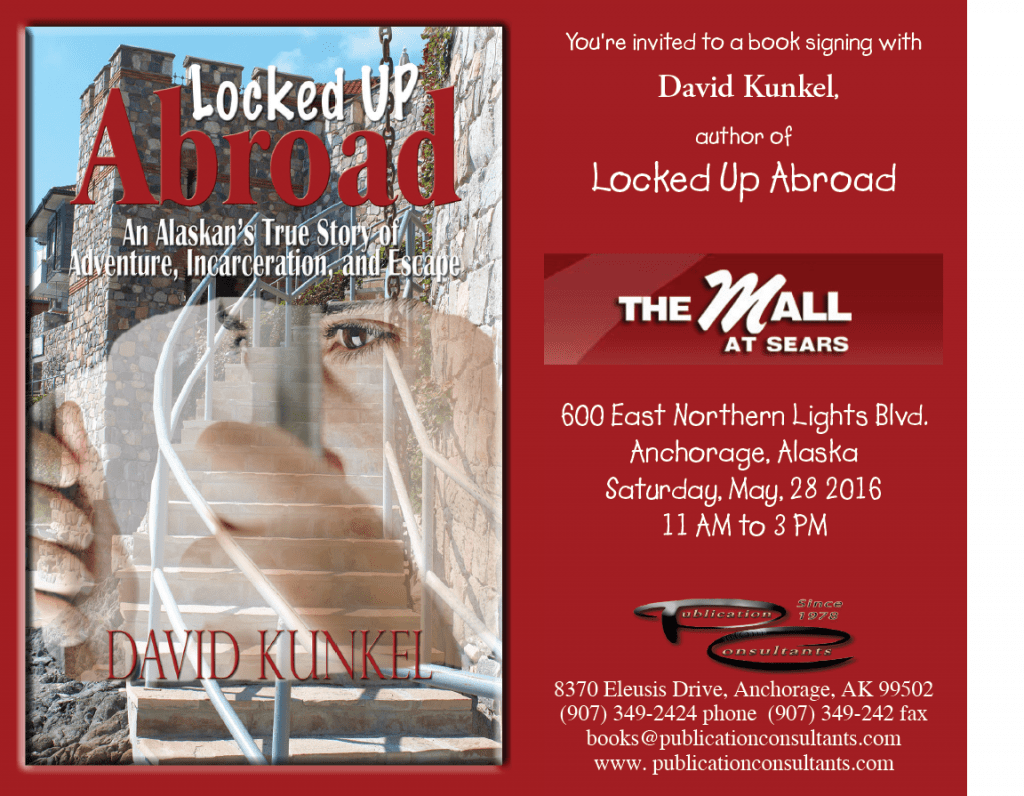


 Costco Book Signings
 eBook Cards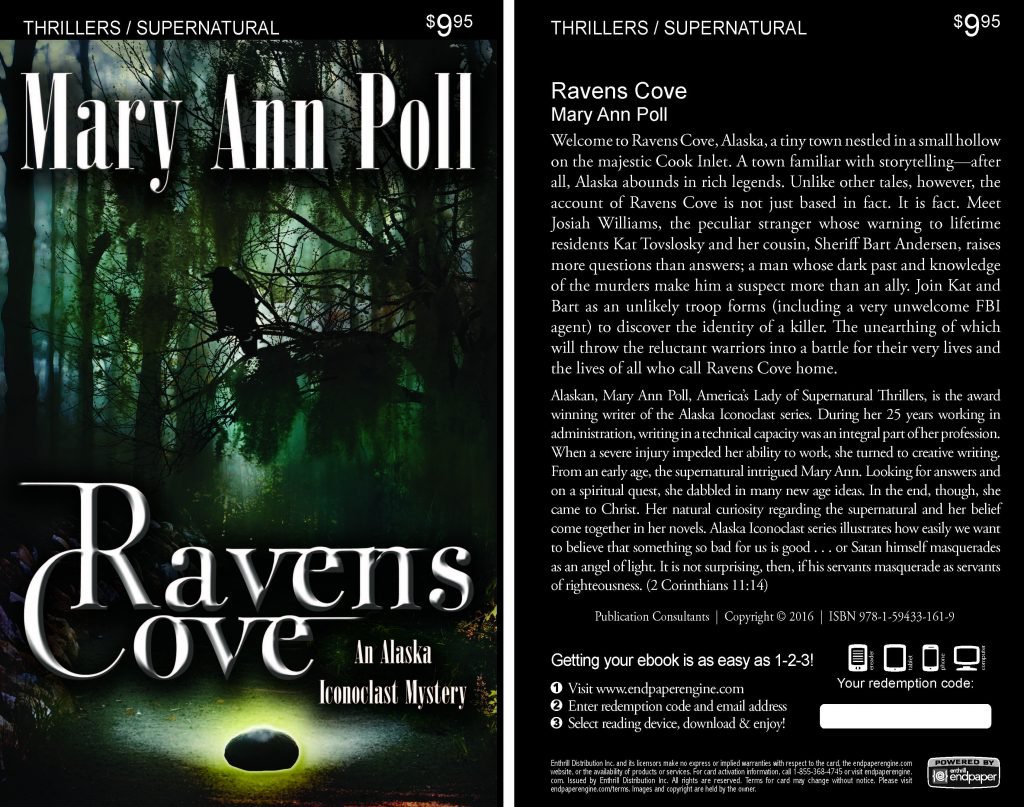

 Benjamin Franklin Award
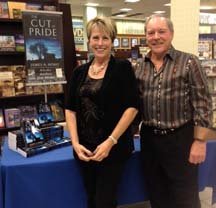
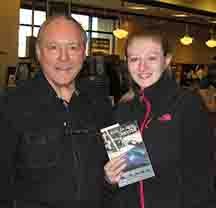 Jim Misko Book Signing at Barnes and Noble
 Cortex is for serious authors and will probably not be of interest to hobbyists. We recorded our Cortex training and information meeting. If you’re a serious author, and did not attend the meeting, and would like to review the training information, kindly let us know. Authors are required to have a Facebook author page to use Cortex.
 Correction:
 We take the quote by Marcella Smith, Small Press Business Manager, Barnes & Noble seriously: “The author is essential to the success of the book, giving energy behind the book to make it something that a customer will come in and ask for. That is what makes the difference in a book that sells, that develops legs, and has a life of its own. Otherwise the book goes on the shelf and stays there for three months. Then it gets returned.”
 This is Publication Consultants’ motivation for constantly striving to assist authors sell and market their books. ACM is Publication Consultants’ plan to accomplish this so that our authors’ books have a reasonable opportunity for success. We know the difference between motion and direction. ACM is direction! ACM is the process for authors who are serious about bringing their books to market. ACM is a boon for serious authors, but a burden for hobbyist. We don’t recommend ACM for hobbyists.

 We’re the only publisher we know of that provides authors with book signing opportunities. Book signing are appropriate for hobbyist and essential for serious authors. To schedule a book signing kindly go to our website, <
 An Author Page on Amazon Author Central is a serious author ACM requirement and desirable for the hobbyist. Author Central is a free resource designed to help authors become more active participants in the promotion of their books. In Author Central you can manage an Author Page, update information about your books, and view Customer Reviews and sales information for your bibliography. If you don’t already have an Author Page on
  We hear authors complain about all the personal stuff on Facebook. Most of these complaints are because the author doesn’t understand the difference difference between a Facebook profile and a Facebook page. Simply put, a profile is for personal things for friends and family; a page is for business. If your book is just a hobby, then it’s fine to have only a Facebook profile and make your posts for friends and family; however, if you’re serious about your writing, and it’s a business with you, or you want it to be business, then you need a Facebook page as an author. It’s simple to tell if it’s a page or a profile. A profile shows how many friends and a page shows how many likes. Here’s a link <> to a straight forward description on how to set up your author Facebook page.
 Active Social Media Participation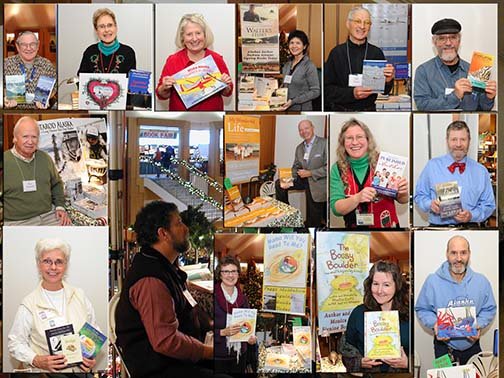


 Mosquito Books has a new location in the Anchorage international airport and is available for signings with 21 days notice. Jim Misko had a signing there yesterday. His signing report included these words, “Had the best day ever at the airport . . ..”


 The Lyin Kings: The Wannabe World Leaders
 Time and Tide


 ReadAlaska 2014
 Readerlink and Book Signings
 2014 Independent Publisher Book Awards Results
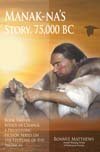
 Bonnye Matthews Radio Interview
 Rick Mystrom Radio Interview
 When he published those overseas blogs as the book The Innocents Abroad, it would become a hit. But you couldn’t find it in bookstores.
 More NetGalley
 Mary Ann Poll


 Bumppo
 Computer Spell Checkers
 Seven Things I Learned From a Foreign Email
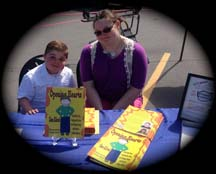 2014 Spirit of Youth Awards
 Book Signings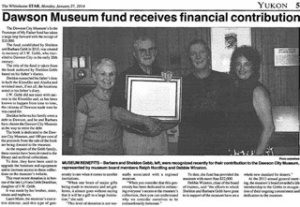


 Blog Talk Radio
 Publication Consultants Blog
 Book Signings


 Don and Lanna Langdok
 Ron Walden
 Book Signings Are Fun
 Release Party Video
 Erin’s book,
  Heather’s book,
  New Books