


Cedar Valley News — January 17, 2026
Thirty-Four Hours
By: Aisha Khalid
From the fictional town of Cedar Valley, where characters from Quiet Echo continue to respond to real-world events.
It takes thirty-four hours to turn an acquaintance into a friend.
 That’s the finding from Oxford anthropologist Robin Dunbar, whose research on human connection has been making the rounds again this month. Thirty-four hours — spread across roughly eleven interactions of about three hours each, over five and a half months. Not thirty-four hours of texting. Not thirty-four hours of scrolling through each other’s feeds. Thirty-four hours of actual presence. Face to face. Voice to voice. Life alongside life.
In a world where we can reach anyone instantly, we’ve somehow made it harder to reach anyone deeply.
I’ve been thinking about this number all week as I read what my colleagues wrote. Teresa told us about Eva Schloss, who spent thirty-nine years walking into classrooms and prisons to tell her story — not because it was easy, but because presence changes things in ways that distance cannot. George described neighbors in Los Angeles who knocked on doors during the fires, who grabbed garden hoses, who are still rebuilding together a year later. Chloe wrote about putting her phone face-down to make cookies with Elena. Dan invited us to find one way to serve on Monday.
Four voices. Four angles. One thread: showing up.
Chloe’s piece, in particular, struck a nerve. We received a letter this week from reader Jayne Lisbeth that I want to share:
“I saw a very dramatic change in my granddaughter when she was given her first phone at age ten; she’s turning twelve today. She only wanted to communicate through her phone. Gone were the art projects and writing activities we grandparents had done with her previously. Sarcasm became her primary method of communication, and her phone her best friend. The only way we seemed to connect was through TikTok videos she wanted to share.”
Jayne didn’t give up. She spoke with her granddaughter’s parents and made something clear: the child was always welcome, but the phone was not. There was anger at first — of course there was. But they set clear rules, and now her granddaughter can use her phone for brief periods while visiting.
“My granddaughter now enjoys spending time with us again,” Jayne writes, “and is happy with the arrangement of limited phone use. I commend Elena’s mom for being on the right track — cookies, not TikTok, for kids and adults alike.”
What Jayne describes is exactly what the Dunbar research confirms. Friendship — real connection — isn’t magic. It’s math. It’s the accumulated weight of hours spent together. Art projects. Writing activities. Conversations that meander without purpose. And those hours require something increasingly rare: the willingness to be in one place, with one person, for an uninterrupted stretch of time.
The phone promised to connect Jayne’s granddaughter to the world. Instead, it disconnected her from the grandparents sitting right in front of her. The platform delivered content — TikTok videos to share — but it stole presence. And presence is what the thirty-four hours are made of.
The Cigna Group’s latest survey found that fifty-seven percent of Americans report feeling lonely. Not just alone — lonely. The distinction matters. You can be alone without being lonely. You can be lonely in a crowded room. Loneliness is the gap between the connection you have and the connection you need. And that gap doesn’t close with more followers or faster notifications. It closes with hours. Thirty-four of them, minimum.
Here’s what strikes me: we’ve optimized nearly everything in modern life for speed and efficiency. We order groceries in minutes. We stream entertainment on demand. We communicate in fragments — texts, emojis, reactions. But friendship resists optimization. It refuses to be compressed. A three-hour conversation cannot be reduced to a three-minute voice memo without losing something essential.
The research says each interaction needs to last about three hours to be “mutually beneficial.” Three hours. When was the last time you spent three uninterrupted hours with someone who wasn’t family or a coworker? Not watching a movie together — actually talking, listening, being present?
Jayne’s granddaughter is twelve years old. She’s getting those hours back — the art projects, the writing activities, the unhurried time with grandparents who love her. It took boundaries. It took a grandmother willing to say no to a device and yes to a relationship. It took the hard work of being present when a screen offered an easier alternative.
That’s what all of this week’s stories have in common.
Eva Schloss understood something about presence. She could have written her story and let the books do the work. Instead, she traveled. She sat in classrooms. She looked teenagers in the eyes. She gave them not just her words but her hours — thousands upon thousands of them over nearly four decades. That’s why King Charles called her “tireless.” It’s also why her witness mattered.
The neighbors in Los Angeles understood it too. When Michael Tuccillo’s home survived while others burned, he didn’t post condolences from a safe distance. He showed up. He’s still showing up, organizing his neighbors to rebuild together, pooling resources, hiring contractors as a group. That’s not efficiency — that’s community. And community is built in hours, not moments.
Here’s the quiet question for this weekend: Where are your thirty-four hours going?
Not in a guilt-inducing way. We all have limits. But the question is worth asking, because presence is a choice — and choices shape relationships, and relationships shape lives.
The research says we need about one hour per week to maintain a friendship once it’s formed. Nine minutes a day. Miss those nine minutes, and the quality of the friendship diminishes by one percent. It’s a slow erosion, barely noticeable in any single day, but devastating over months and years.
Jayne’s granddaughter lost two years to sarcasm and screens. But she’s getting them back now — one phone-free visit at a time. The art projects are returning. The conversations are returning. The relationship is being rebuilt.
Monday is Martin Luther King Jr. Day. Dan invited us to find one way to serve. Here’s another invitation: find one person to be present with. Not a text. Not a call while you’re doing three other things. Three hours of unhurried attention. Let the thirty-four begin — or continue — or resume.
Dr. King spoke of the “Beloved Community” — a society built on justice and love. But beloved communities aren’t built by institutions alone. They’re built by people who show up for each other, hour by hour, conversation by conversation, meal by meal.
Cookies, not TikTok. Art projects, not algorithms. Presence, not performance.
Thirty-four hours.
It’s not much, really. It’s less time than you’ll spend on your phone this month. But invested in another person — fully present, fully attentive — it’s enough to change loneliness into friendship.
Where will your hours go?
A Note on Today’s Letter: Jayne Lisbeth doesn’t live in Cedar Valley — she’s a real person whose letter found its way to our fictional town. Jayne is the author of Writing in Wet Cement and Raising the Dead, and we’re grateful she took the time to share her story.
We Want to Hear From You: Cedar Valley may be fictional, but the questions we wrestle with are real — and so are you. If something in these editorials resonates with your own experience, we’d love to hear about it. Send us your reflections, your stories, your questions. With your permission, we may include them in future columns. After all, the best conversations aren’t one-way. Write to us at evan@publicationconsultants.com. Let’s build this community together.
This editorial is part of the fictional Cedar Valley News series. While the people and town are fictional, the national events they reflect on are real.
Want to know the full story behind Cedar Valley? Aisha, Teresa, Dan, and the community you’ve come to know in these editorials first came together in Quiet Echo: When Loud Voices Divide, Quiet Ones Bring Together. Discover how a small town found its way from fear to fellowship — one quiet act of courage at a time. Available on Amazon: https://bit.ly/3ME4nSs


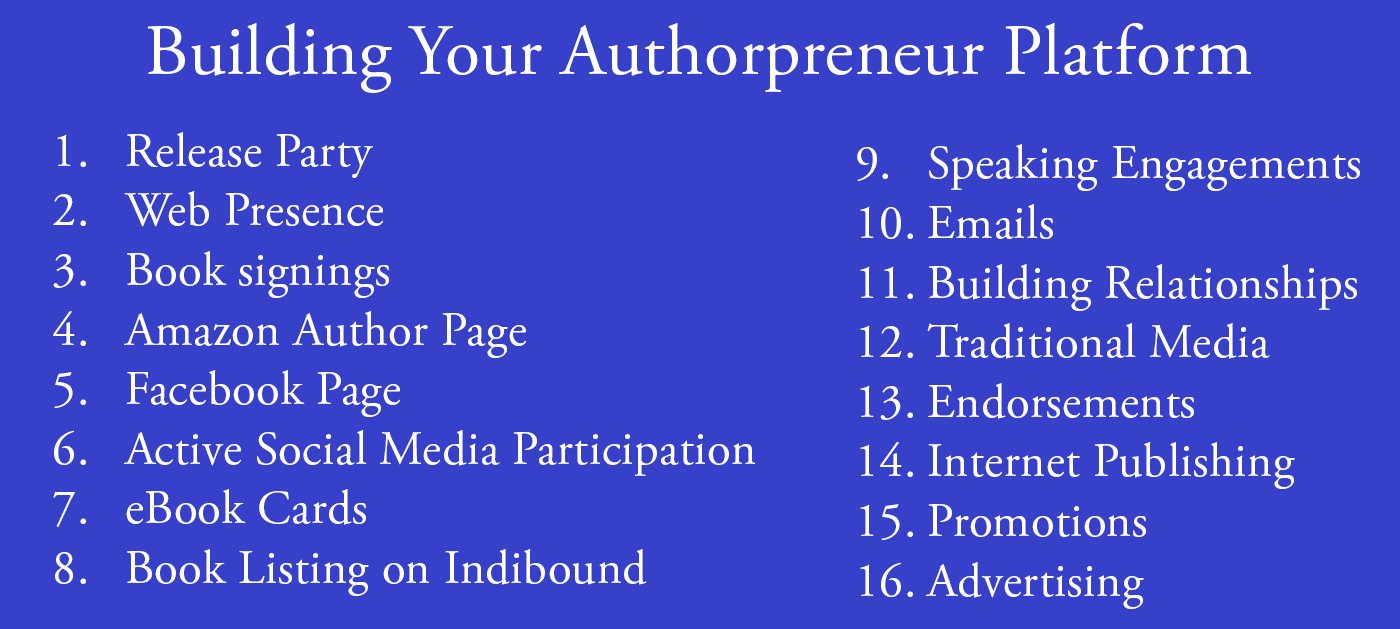

 Author Campaign Method (ACM) for Authorpreneurs
 This is Publication Consultants’ motivation for constantly striving to assist authors sell and market their books. Author Campaign Method (ACM) of sales and marketing is Publication Consultants’ plan to accomplish this so that our authors’ books have a reasonable opportunity for success. We know the difference between motion and direction. ACM is direction! ACM is the process for authorpreneurs who are serious about bringing their books to market. ACM is a boon for them.
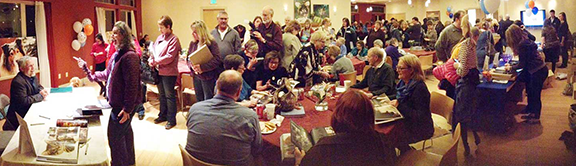 Release Party
 Web Presence
 Book Signings
 Amazon Author Page
 Facebook Profile and Facebook Page
 Active Social Media Participation
 Ebook Cards
 The Great Alaska Book Fair: October 8, 2016

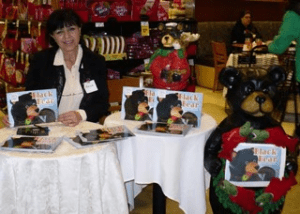
 Costco Book Signings
 eBook Cards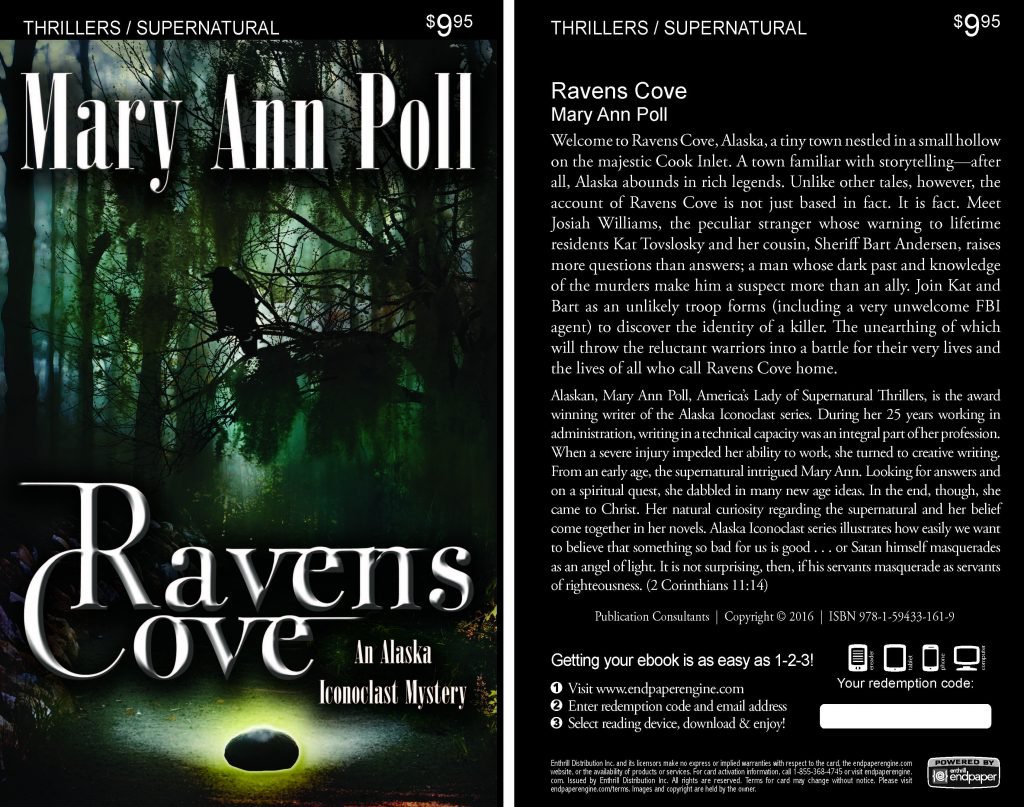

 Benjamin Franklin Award
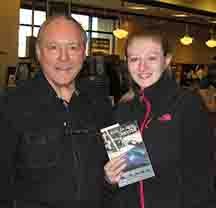 Jim Misko Book Signing at Barnes and Noble
 Cortex is for serious authors and will probably not be of interest to hobbyists. We recorded our Cortex training and information meeting. If you’re a serious author, and did not attend the meeting, and would like to review the training information, kindly let us know. Authors are required to have a Facebook author page to use Cortex.
 Correction:
 We take the quote by Marcella Smith, Small Press Business Manager, Barnes & Noble seriously: “The author is essential to the success of the book, giving energy behind the book to make it something that a customer will come in and ask for. That is what makes the difference in a book that sells, that develops legs, and has a life of its own. Otherwise the book goes on the shelf and stays there for three months. Then it gets returned.”
 This is Publication Consultants’ motivation for constantly striving to assist authors sell and market their books. ACM is Publication Consultants’ plan to accomplish this so that our authors’ books have a reasonable opportunity for success. We know the difference between motion and direction. ACM is direction! ACM is the process for authors who are serious about bringing their books to market. ACM is a boon for serious authors, but a burden for hobbyist. We don’t recommend ACM for hobbyists.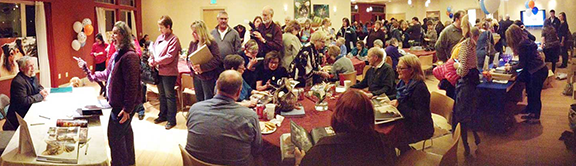

 We’re the only publisher we know of that provides authors with book signing opportunities. Book signing are appropriate for hobbyist and essential for serious authors. To schedule a book signing kindly go to our website, <
 An Author Page on Amazon Author Central is a serious author ACM requirement and desirable for the hobbyist. Author Central is a free resource designed to help authors become more active participants in the promotion of their books. In Author Central you can manage an Author Page, update information about your books, and view Customer Reviews and sales information for your bibliography. If you don’t already have an Author Page on
  We hear authors complain about all the personal stuff on Facebook. Most of these complaints are because the author doesn’t understand the difference difference between a Facebook profile and a Facebook page. Simply put, a profile is for personal things for friends and family; a page is for business. If your book is just a hobby, then it’s fine to have only a Facebook profile and make your posts for friends and family; however, if you’re serious about your writing, and it’s a business with you, or you want it to be business, then you need a Facebook page as an author. It’s simple to tell if it’s a page or a profile. A profile shows how many friends and a page shows how many likes. Here’s a link <> to a straight forward description on how to set up your author Facebook page.
 Active Social Media Participation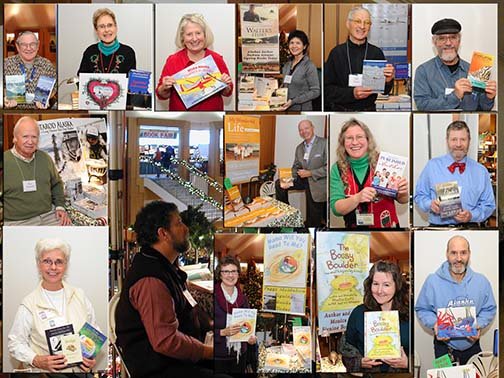


 Mosquito Books has a new location in the Anchorage international airport and is available for signings with 21 days notice. Jim Misko had a signing there yesterday. His signing report included these words, “Had the best day ever at the airport . . ..”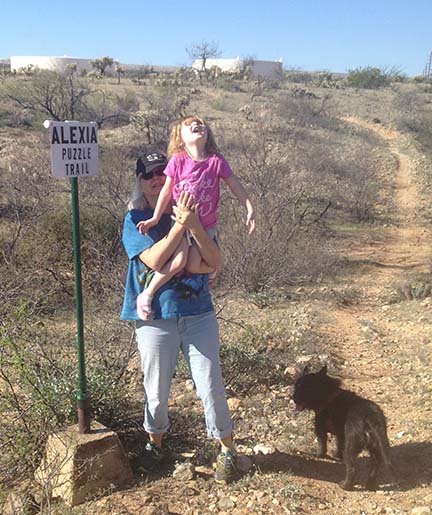


 The Lyin Kings: The Wannabe World Leaders
 Time and Tide


 ReadAlaska 2014
 Readerlink and Book Signings
 2014 Independent Publisher Book Awards Results
 Bonnye Matthews Radio Interview
 Rick Mystrom Radio Interview
 When he published those overseas blogs as the book The Innocents Abroad, it would become a hit. But you couldn’t find it in bookstores.
 More NetGalley
 Mary Ann Poll


 Bumppo
 Computer Spell Checkers
 Seven Things I Learned From a Foreign Email
 2014 Spirit of Youth Awards
 Book Signings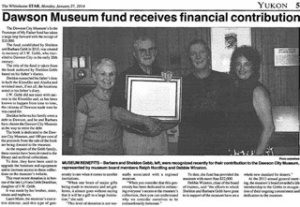
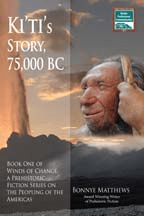
 Blog Talk Radio
 Publication Consultants Blog
 Book Signings

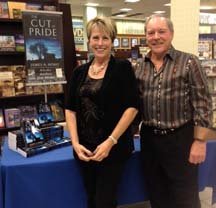

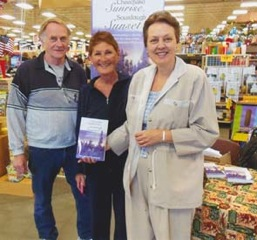 Don and Lanna Langdok
 Ron Walden
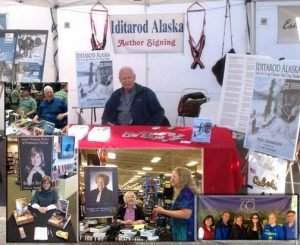 Book Signings Are Fun
 Release Party Video
 Erin’s book,
  Heather’s book,
  New Books