

What the Week Taught Us About Waiting
By: Teresa Nikas
From the fictional town of Cedar Valley, where characters from Quiet Echo continue to respond to real-world events.
Two stories caught our attention this week, and at first glance, they have nothing in common.
One was about a pipeline in Alaska—a $44 billion project, with a governor proposing a 90 percent tax cut to make it happen. The other was about teenagers putting down their phones, deciding on their own that social media was doing them more harm than good. Oil and gas executives in boardrooms. Kids in bedrooms. What could possibly connect them?
I’ve been thinking about that question all week. And I think the answer is this: both stories are about who we trust to tell us what’s good for us—and what happens when we stop believing them.
Lars wrote on Wednesday about the Alaska LNG deal. The pitch is familiar: give us what we want now, and prosperity will follow. Accept less so that something gets built. The gas has been sitting under the North Slope for a long time, and we’re told this is our last chance, that urgency demands sacrifice. But Lars asked a better question: If a company can’t make the numbers work at honest rates, why should we bend? The gas isn’t going anywhere. It can wait for a partner who comes to the table ready to pay their share.
Patience. That’s not a word we hear much in negotiations. But sometimes it’s the wisest word there is.
Then on Thursday, Chloe wrote about the Pew study—the one showing that nearly half of teenagers now believe social media is harming their generation. Forty-four percent have tried to cut back. These kids weren’t lectured into this. They weren’t forced by parents or laws. They lived the experience, felt the weight of it, and chose differently. They decided that the product being sold to them—connection, community, belonging—wasn’t delivering what it promised.
They’re learning to wait, too. To look up from the screen. To be present in rooms that don’t glow.
Here’s what strikes me: in both cases, the people closest to the ground are seeing more clearly than the people at the top.
The borough mayors in Alaska—the ones who’d actually host that pipeline infrastructure—weren’t consulted before the tax deal was announced. They’re asking for real math, real impact data, a seat at the table. They’re not saying no. They’re saying slow down. Show us.
The teenagers aren’t waiting for Congress to regulate Silicon Valley. They’re not waiting for tech companies to develop a conscience. They’re making their own choices, one phone placed face-down at a time.
This is how real change happens. Not from press conferences or policy papers. From people who decide that what they’re being sold isn’t worth the price. From communities that remember they have the right to ask questions. From kids who trust their own experience over the algorithm’s promise.
We live in an age that rewards speed. Urgency is the constant sales pitch—act now, before it’s too late, before the opportunity closes. But urgency can be a manipulation. It can be a way of bypassing the wisdom that only comes with time.
The gas will still be there. The teenagers will still have phones. The question is whether we’ll make decisions from pressure or from principle.
This week, from an Alaskan pipeline to a teenager’s bedroom, the quiet voices said the same thing: We can wait. We can ask better questions. We don’t have to accept the first deal on the table just because someone tells us it’s now or never.
Maybe that’s the thread that runs through everything worth doing. The willingness to slow down. To trust what’s real over what’s rushed. To believe that patience isn’t weakness—it’s wisdom.
As we head into this last week before Christmas, that’s my quiet question for you: What in your life is asking you to slow down? And what might you see more clearly if you did?
This editorial is part of the fictional Cedar Valley News series. While the people and town are fictional, the national events they reflect on are real.
Want to know the full story behind Cedar Valley? Teresa, Caleb, Dan, and the community you’ve come to know in these editorials first came together in Quiet Echo: When Loud Voices Divide, Quiet Ones Bring Together. Discover how a small town found its way from fear to fellowship—one quiet act of courage at a time. Available on Amazon: https://bit.ly/3ME4nSs
It’s free, live, and fresh! Quiet Echo—A Cedar Valley News Podcast is live on Apple Podcasts: https://bit.ly/4nV8XsE, Spotify: https://bit.ly/4hdNHfX, YouTube: https://bit.ly/48Zfu1g , and Podcastle: https://bit.ly/4pYRstE. Every day, you can hear Cedar Valley’s editorials read aloud by the voices you’ve come to know—warm, steady, and rooted in the values we share. Step into the rhythm of our town, one short reflection at a time. Wherever you listen, you’ll feel right at home. Presented by the Publication Consultants: https://publicationconsultants.com/


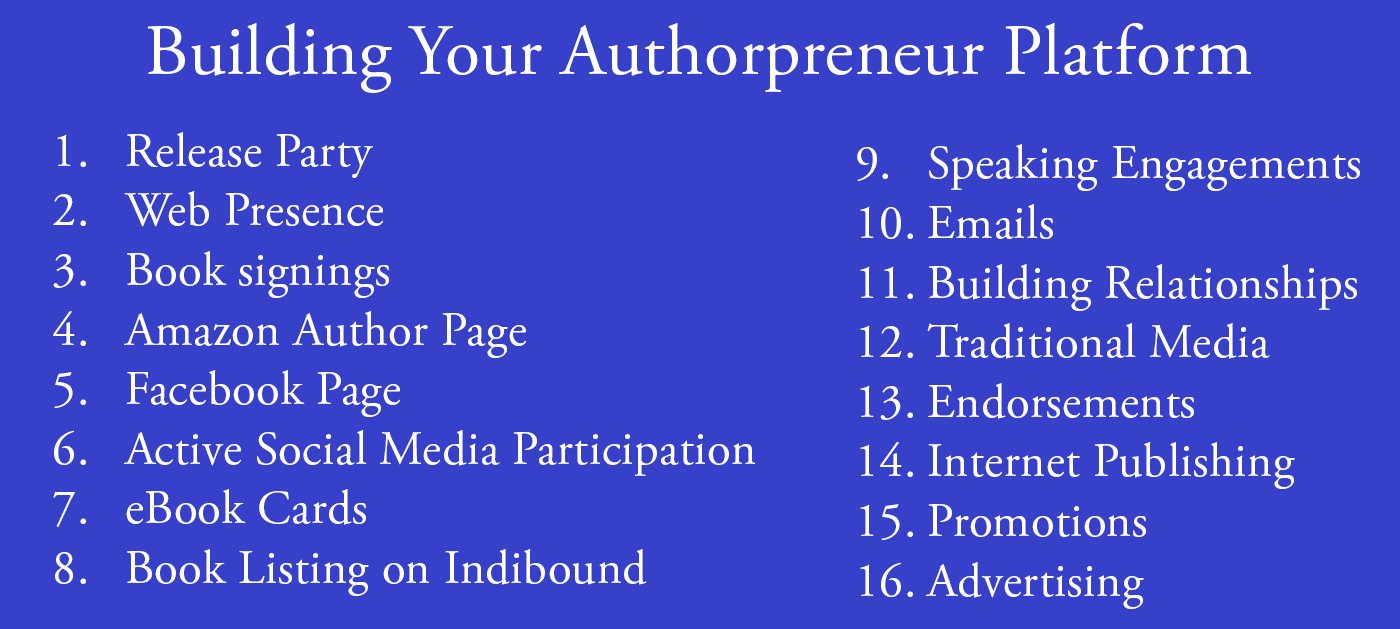

 Author Campaign Method (ACM) for Authorpreneurs
 This is Publication Consultants’ motivation for constantly striving to assist authors sell and market their books. Author Campaign Method (ACM) of sales and marketing is Publication Consultants’ plan to accomplish this so that our authors’ books have a reasonable opportunity for success. We know the difference between motion and direction. ACM is direction! ACM is the process for authorpreneurs who are serious about bringing their books to market. ACM is a boon for them.
 Release Party
 Web Presence
 Book Signings
 Amazon Author Page
 Facebook Profile and Facebook Page
 Active Social Media Participation
 Ebook Cards
 The Great Alaska Book Fair: October 8, 2016


 Costco Book Signings
 eBook Cards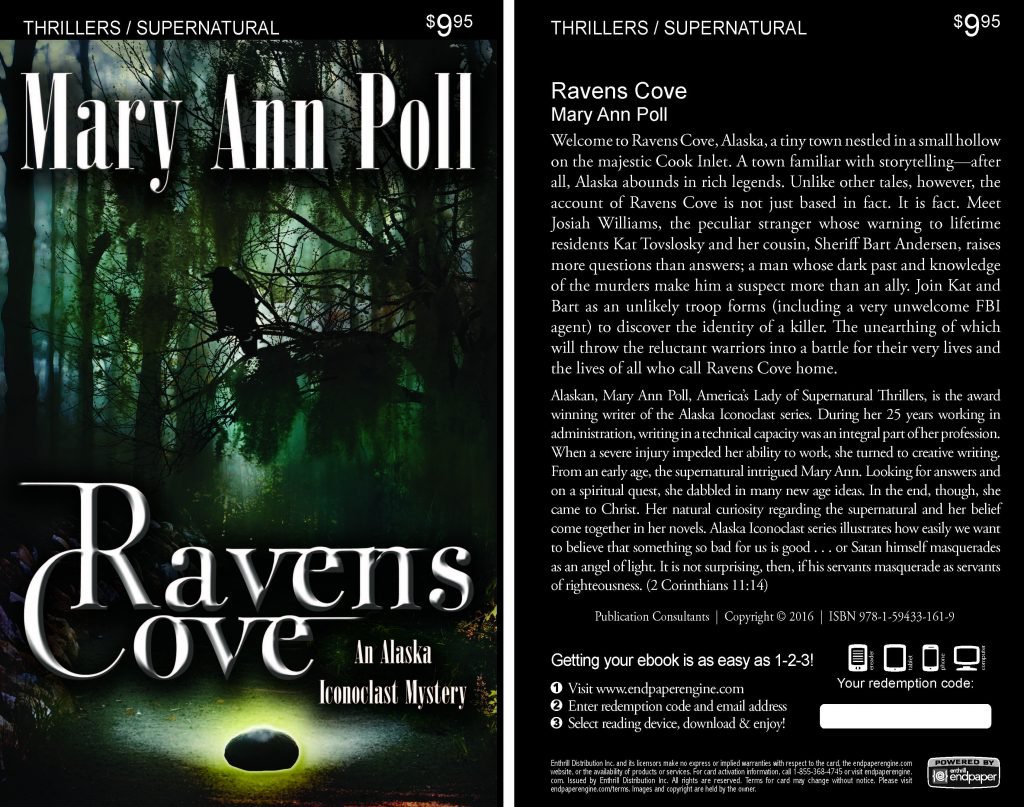

 Benjamin Franklin Award
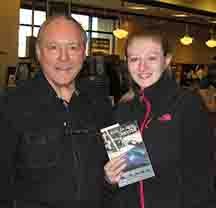 Jim Misko Book Signing at Barnes and Noble
 Cortex is for serious authors and will probably not be of interest to hobbyists. We recorded our Cortex training and information meeting. If you’re a serious author, and did not attend the meeting, and would like to review the training information, kindly let us know. Authors are required to have a Facebook author page to use Cortex.
 Correction:
 We take the quote by Marcella Smith, Small Press Business Manager, Barnes & Noble seriously: “The author is essential to the success of the book, giving energy behind the book to make it something that a customer will come in and ask for. That is what makes the difference in a book that sells, that develops legs, and has a life of its own. Otherwise the book goes on the shelf and stays there for three months. Then it gets returned.”
 This is Publication Consultants’ motivation for constantly striving to assist authors sell and market their books. ACM is Publication Consultants’ plan to accomplish this so that our authors’ books have a reasonable opportunity for success. We know the difference between motion and direction. ACM is direction! ACM is the process for authors who are serious about bringing their books to market. ACM is a boon for serious authors, but a burden for hobbyist. We don’t recommend ACM for hobbyists.

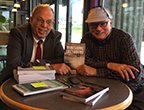
 We’re the only publisher we know of that provides authors with book signing opportunities. Book signing are appropriate for hobbyist and essential for serious authors. To schedule a book signing kindly go to our website, <
 An Author Page on Amazon Author Central is a serious author ACM requirement and desirable for the hobbyist. Author Central is a free resource designed to help authors become more active participants in the promotion of their books. In Author Central you can manage an Author Page, update information about your books, and view Customer Reviews and sales information for your bibliography. If you don’t already have an Author Page on
  We hear authors complain about all the personal stuff on Facebook. Most of these complaints are because the author doesn’t understand the difference difference between a Facebook profile and a Facebook page. Simply put, a profile is for personal things for friends and family; a page is for business. If your book is just a hobby, then it’s fine to have only a Facebook profile and make your posts for friends and family; however, if you’re serious about your writing, and it’s a business with you, or you want it to be business, then you need a Facebook page as an author. It’s simple to tell if it’s a page or a profile. A profile shows how many friends and a page shows how many likes. Here’s a link <> to a straight forward description on how to set up your author Facebook page.
 Active Social Media Participation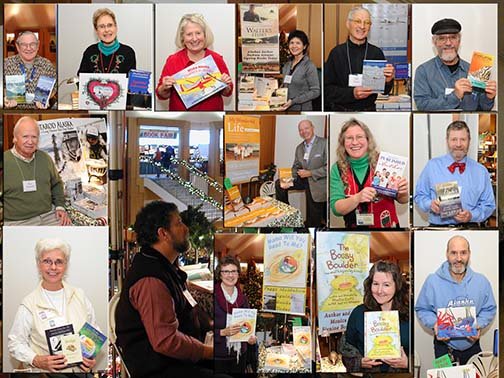


 Mosquito Books has a new location in the Anchorage international airport and is available for signings with 21 days notice. Jim Misko had a signing there yesterday. His signing report included these words, “Had the best day ever at the airport . . ..”


 The Lyin Kings: The Wannabe World Leaders
 Time and Tide


 ReadAlaska 2014
 Readerlink and Book Signings
 2014 Independent Publisher Book Awards Results
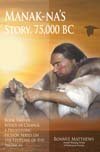
 Bonnye Matthews Radio Interview
 Rick Mystrom Radio Interview
 When he published those overseas blogs as the book The Innocents Abroad, it would become a hit. But you couldn’t find it in bookstores.
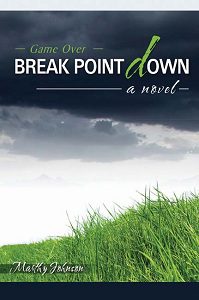 More NetGalley
 Mary Ann Poll


 Bumppo
 Computer Spell Checkers
 Seven Things I Learned From a Foreign Email
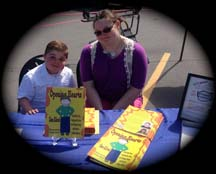 2014 Spirit of Youth Awards
 Book Signings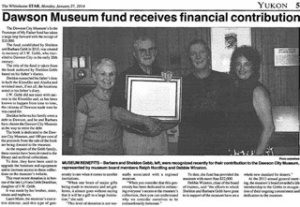

 Blog Talk Radio
 Publication Consultants Blog
 Book Signings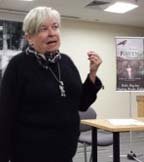

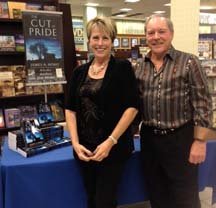

 Don and Lanna Langdok
 Ron Walden
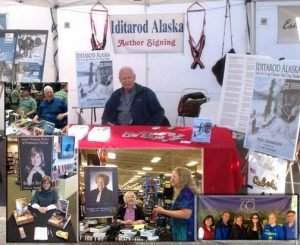 Book Signings Are Fun
 Release Party Video
 Erin’s book,
  Heather’s book,
  New Books