

The letters were found near a fireplace in a Nashville home, close to what is now Music Row.
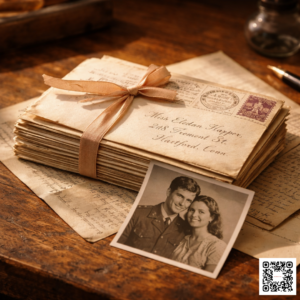 More than two hundred of them. Written between 1942 and 1945. Love letters between a Black soldier and the woman who became his wife.
This month, the Nashville Public Library made highlights from the collection available digitally for the first time. The letters tell the story of William Raymond Whittaker and Jane Dean—two students who met at Meharry Medical College, lost touch, and found each other again when war made the future uncertain.
Ray, as he was called, came from New Rochelle, New York. Jane was from Nashville. They dated at Meharry, then drifted apart. In the summer of 1942, Ray was drafted into the Army and stationed at Fort Huachuca in Arizona. From there, he decided to write to Jane.
The library does not have his first letter. But they have her reply, dated July 30, 1942. She addresses him formally: “Dear Wm R.”
“It sure was a pleasant and sad surprise to hear from you,” she writes. “Pleasant because you will always hold a place in my heart, and it’s nice to know you think of me once in a while. Sad because you are in the armed forces—maybe I shouldn’t say that but war is so uncertain, however I’m proud to know that you are doing your bit for your country.”
She signs off: “Write, wire or call me real soon—Lovingly Jane.”
By September, Ray was assigned to Fort McClellan in Alabama, helping organize the 92nd Infantry Division—an all-Black unit that would later see combat in Europe. The romance had heated up. In one letter, he teases Jane about military pay: a married officer draws $280 a month, a single one only $175. “Really, I can’t leave my excess amount of money to the government,” he writes, “and must have someone to help me spend it.”
Jane is skeptical. “What makes you think you still love me?” she asks on September 23. “Is it that you are lonesome and a long way from home. I’m sure I want you to love me, but not under those conditions.”
Ray wins her over. They marry in Birmingham on November 7, 1942. Two days later, Jane writes to her “darling husband”: “It’s a wonderful thing to have such a sweet and lovely husband. Darling you’ll never know how much I love you. The only regret is that we didn’t marry years ago… As it is now things are so uncertain and we are not together but such a few happy hours. But maybe this old war will soon be over and we can be together for always.”
Ray died in Nashville in 1989. The couple had no children. Archivists have not been able to locate any living relatives.
—
Eudora Welty spent her life writing about ordinary people in the American South. A Pulitzer Prize winner who lived most of her life in Jackson, Mississippi, she understood that the stories of regular people—their loves, their losses, their daily negotiations with a complicated world—are the stories that matter.
“Southerners love a good tale,” she wrote. “They are born reciters, great memory retainers, diary keepers, letter exchangers… great talkers.”
Letter exchangers.
In her memoir One Writer’s Beginnings, Welty reflected on how memory preserves what time would otherwise erase: “The memory is a living thing—it too is in transit. But during its moment, all that is remembered joins and lives—the old and the young, the past and the present, the living and the dead.”
Ray and Jane Whittaker left no children. No living relatives. What they left were letters—two hundred of them, saved for decades in a house near Music Row, then donated to an archive, then digitized and shared with the world.
Because someone saved them, the old and the young, the past and the present, the living and the dead can join and live together.
“You can’t help but smile when you read through these letters,” said Kelley Sirko, the library’s metropolitan archivist. “You really can’t. And this was just such an intimate look at two regular people during a really complicated time in our history.”
Two regular people.
That is what makes the collection precious. Not generals or presidents. Not famous battles or historic speeches. A man and a woman, falling in love during wartime, navigating racial barriers and military bureaucracy, and the simple loneliness of separation.
Someone in your family has letters like these. Someone in your community has a box in the attic, a drawer in the dresser, a folder in a filing cabinet. Love letters. War letters. Letters from a grandmother who crossed an ocean, a grandfather who worked the mines, a parent who came home from the hospital with news they did not want to share.
The Power of Authors calls writers to this work: Find the letters. Preserve them. Tell the stories they contain before the people who remember are gone.
Write, wire, or call someone real soon. Ask what they remember. Ask what they saved.
The memory is a living thing. But it needs someone to write it down.
The Power of Authors by Evan and Lois Swensen explores what it means to write with purpose — and why clarity of conviction matters more than cleverness on every page, starting with the first.
The book is available on Amazon: http://bit.ly/3K6o8AM. If you’d like an autographed copy, you can order it here: http://bit.ly/4pgmzjM.


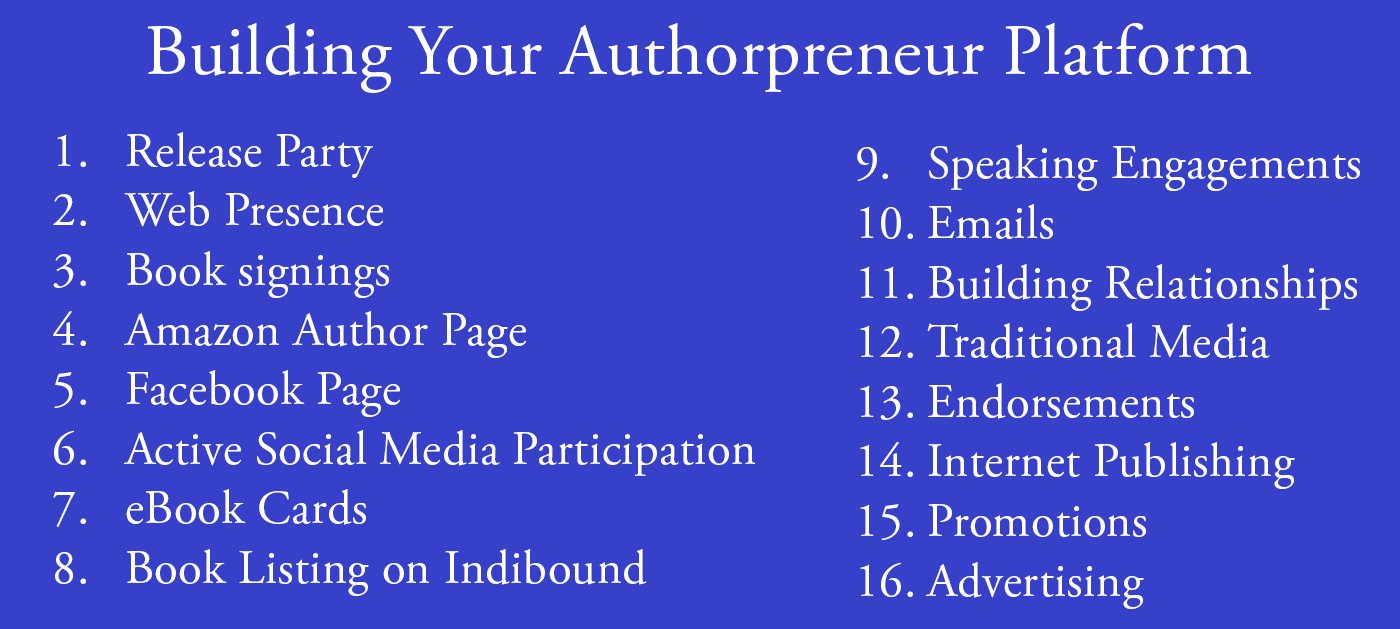

 Author Campaign Method (ACM) for Authorpreneurs
 This is Publication Consultants’ motivation for constantly striving to assist authors sell and market their books. Author Campaign Method (ACM) of sales and marketing is Publication Consultants’ plan to accomplish this so that our authors’ books have a reasonable opportunity for success. We know the difference between motion and direction. ACM is direction! ACM is the process for authorpreneurs who are serious about bringing their books to market. ACM is a boon for them.
 Release Party
 Web Presence
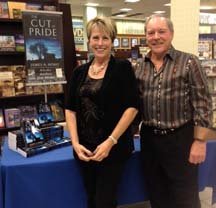
 Book Signings
 Amazon Author Page
 Facebook Profile and Facebook Page
 Active Social Media Participation
 Ebook Cards
 The Great Alaska Book Fair: October 8, 2016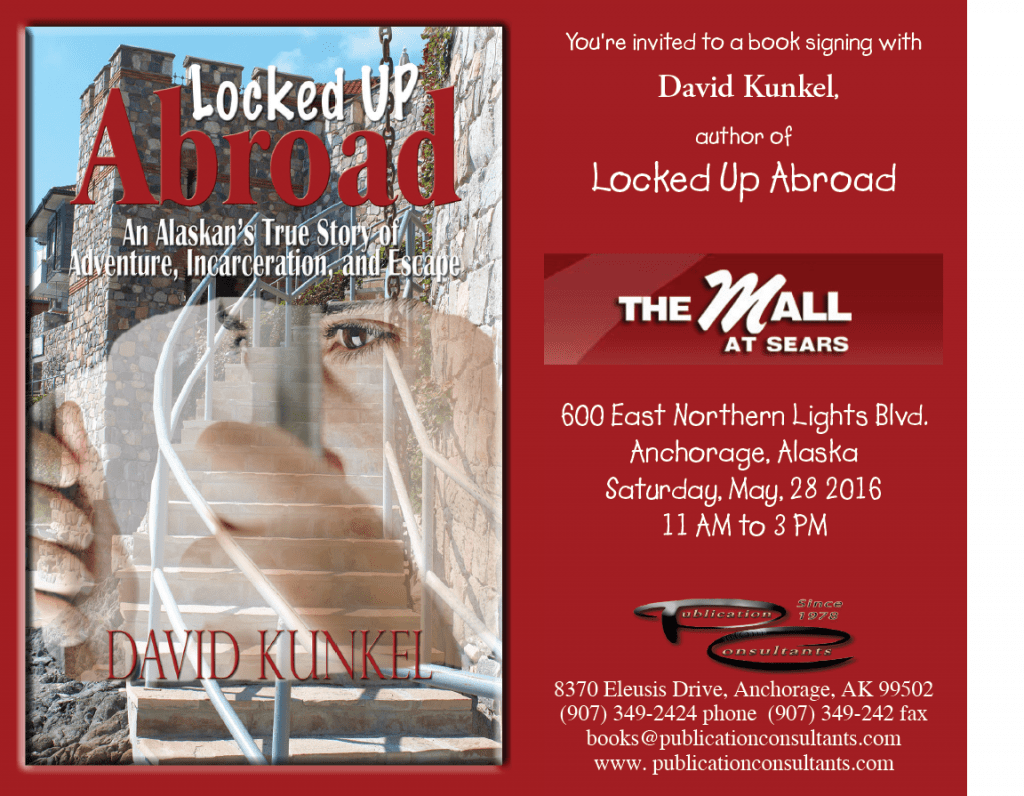


 Costco Book Signings
 eBook Cards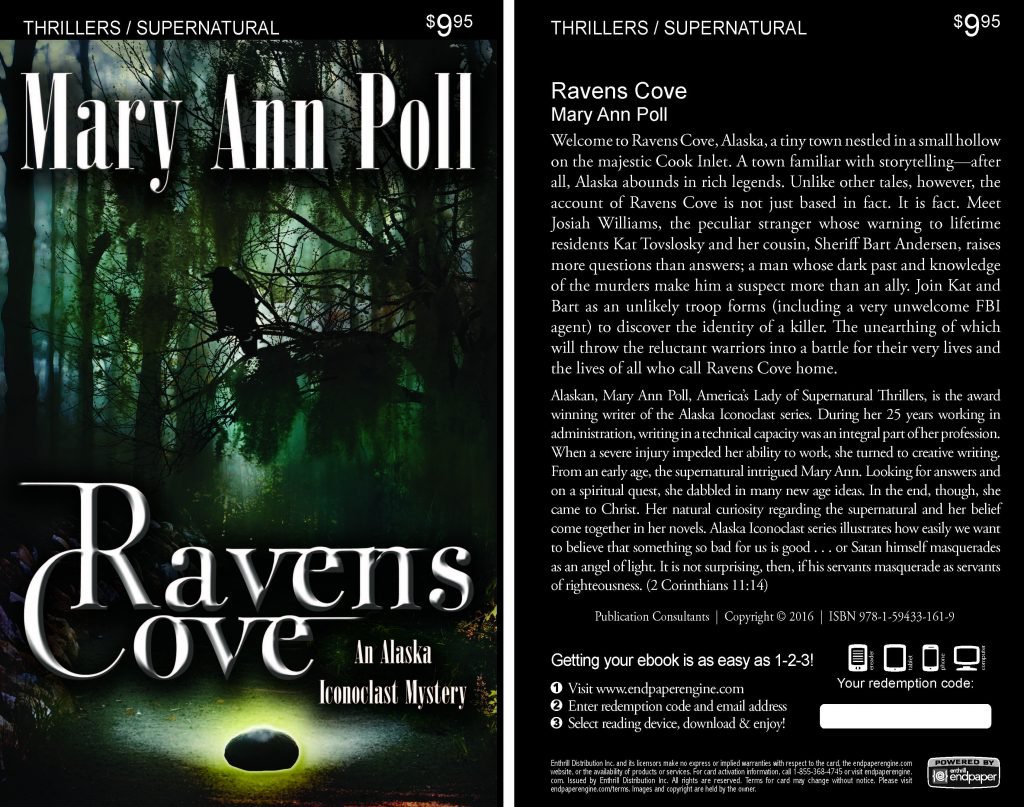

 Benjamin Franklin Award
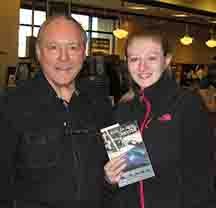 Jim Misko Book Signing at Barnes and Noble
 Cortex is for serious authors and will probably not be of interest to hobbyists. We recorded our Cortex training and information meeting. If you’re a serious author, and did not attend the meeting, and would like to review the training information, kindly let us know. Authors are required to have a Facebook author page to use Cortex.
 Correction:
 We take the quote by Marcella Smith, Small Press Business Manager, Barnes & Noble seriously: “The author is essential to the success of the book, giving energy behind the book to make it something that a customer will come in and ask for. That is what makes the difference in a book that sells, that develops legs, and has a life of its own. Otherwise the book goes on the shelf and stays there for three months. Then it gets returned.”
 This is Publication Consultants’ motivation for constantly striving to assist authors sell and market their books. ACM is Publication Consultants’ plan to accomplish this so that our authors’ books have a reasonable opportunity for success. We know the difference between motion and direction. ACM is direction! ACM is the process for authors who are serious about bringing their books to market. ACM is a boon for serious authors, but a burden for hobbyist. We don’t recommend ACM for hobbyists.

 We’re the only publisher we know of that provides authors with book signing opportunities. Book signing are appropriate for hobbyist and essential for serious authors. To schedule a book signing kindly go to our website, <
 An Author Page on Amazon Author Central is a serious author ACM requirement and desirable for the hobbyist. Author Central is a free resource designed to help authors become more active participants in the promotion of their books. In Author Central you can manage an Author Page, update information about your books, and view Customer Reviews and sales information for your bibliography. If you don’t already have an Author Page on
  We hear authors complain about all the personal stuff on Facebook. Most of these complaints are because the author doesn’t understand the difference difference between a Facebook profile and a Facebook page. Simply put, a profile is for personal things for friends and family; a page is for business. If your book is just a hobby, then it’s fine to have only a Facebook profile and make your posts for friends and family; however, if you’re serious about your writing, and it’s a business with you, or you want it to be business, then you need a Facebook page as an author. It’s simple to tell if it’s a page or a profile. A profile shows how many friends and a page shows how many likes. Here’s a link <> to a straight forward description on how to set up your author Facebook page.
 Active Social Media Participation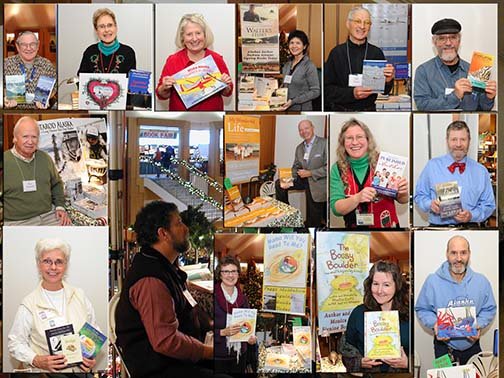


 Mosquito Books has a new location in the Anchorage international airport and is available for signings with 21 days notice. Jim Misko had a signing there yesterday. His signing report included these words, “Had the best day ever at the airport . . ..”


 The Lyin Kings: The Wannabe World Leaders
 Time and Tide


 ReadAlaska 2014
 Readerlink and Book Signings
 2014 Independent Publisher Book Awards Results
 Bonnye Matthews Radio Interview
 Rick Mystrom Radio Interview
 When he published those overseas blogs as the book The Innocents Abroad, it would become a hit. But you couldn’t find it in bookstores.
 More NetGalley
 Mary Ann Poll


 Bumppo
 Computer Spell Checkers
 Seven Things I Learned From a Foreign Email
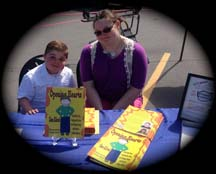 2014 Spirit of Youth Awards
 Book Signings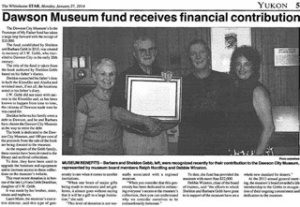
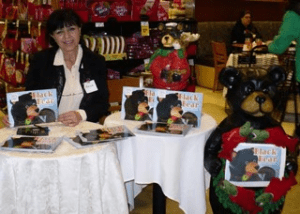
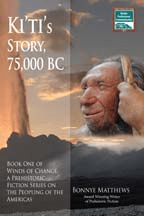
 Blog Talk Radio
 Publication Consultants Blog
 Book Signings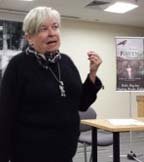

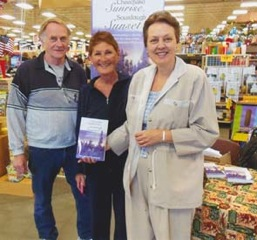 Don and Lanna Langdok
 Ron Walden
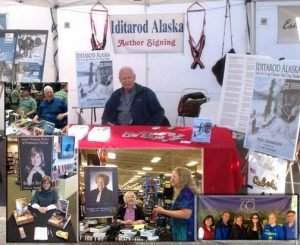 Book Signings Are Fun
 Release Party Video
 Erin’s book,
  Heather’s book,
  New Books