

On Bob Little Road in Jonesville, South Carolina, the Cedar Hill Plant will close this spring. One hundred twenty-six workers will walk out for the last time between April and August. The looms that wove natural and synthetic fabrics for decades will fall silent.
 Milliken & Company, which has operated in South Carolina for more than 150 years, announced the closure this week. A spokesperson said production will transfer to “more modernized facilities.” The South Carolina Department of Employment and Workforce received notice on Tuesday.
Jonesville sits in Union County, where textile mills arrived in the 1890s and changed everything. Workers came down from the North Carolina mountains, where farming was hard and outside work scarce. They moved into company-owned housing. They bought food at company stores. They raised children who grew up knowing the rhythm of the looms the way farm children knew the rhythm of planting and harvest.
By 1920, one-sixth of South Carolina’s white population lived in mill villages. By the mid-1970s, 437 mills operated across the state, employing 143,000 workers. Greenville called itself the “textile center of the world.”
Now the mills close one by one. The workers scatter. The stories go with them.
In the summer of 1936, a writer named James Agee traveled to Alabama on assignment for Fortune magazine. He was supposed to document the daily lives of white tenant farmers during the Depression. He found three families and lived with them for a month.
What he wrote became Let Us Now Praise Famous Men—a book that sold only six hundred copies when it was published in 1941, then rose to be recognized as one of the most important American books of the twentieth century.
Agee didn’t write a report. He wrote a witness. He described the worn overalls hanging on a nail. The iron bed frame. The smell of fatback frying at dawn. He listed the contents of a sharecropper’s shack with the reverence of a man cataloging sacred relics.
He called himself a “spy”—painfully aware that he was an outsider looking in, that his words would expose private lives to curious readers who might never understand what they were seeing.
But he wrote anyway. Because he believed every human life held dignity worth recording. Because he understood that silence was worse than imperfect witness.
“For one who sets himself to look at all earnestly, at all in purpose toward truth, into the living eyes of a human life,” Agee wrote, “what is it he there beholds that so freezes and abashes his ambitious heart?”
The 126 workers leaving Cedar Hill this spring carry stories no journalist will record.
The woman who started on the floor at nineteen and learned every machine in the building. The man whose father and grandfather worked Milliken plants before him. The supervisor who hired half the second shift and watched them grow into the job. The night-shift worker who drove forty minutes each way because the pay was steady and the work was honest.
Their names will not appear in any history book. Their faces will not hang in any museum. When they clean out their lockers and turn in their badges, the world will not pause.
But their lives are no less sacred than the sharecroppers Agee documented eighty-nine years ago. Their work is no less worthy of witness.
The title of Agee’s book comes from the Book of Sirach: “Let us now praise famous men, and our fathers that begat us.”
But Agee’s farmers were not famous. Neither are the workers of Cedar Hill. That is precisely the point. The ones history forgets are the ones writers must remember.
Someone in Jonesville knows these stories. Someone worked beside these men and women for years. Someone heard the jokes in the break room, saw the photographs taped inside locker doors, and watched a coworker’s hands grow skilled on the machinery.
If that someone does not write it down, it will vanish—as surely as the mills themselves are vanishing, one closure at a time.
The Power of Authors calls writers to this work: Stand where silence begins. Write what is real. Bear witness to lives the world overlooks—not to make them famous, but to make them remembered.
The looms fall silent. The words do not have to.
The Power of Authors by Evan and Lois Swensen explores what it means to write with purpose—and why the world needs your voice now more than ever.
The book is available on Amazon: http://bit.ly/3K6o8AM. If you’d like an autographed copy, you can order it here: http://bit.ly/4pgmzjM.


 The novelist Ella Camposanto has arrived in Sicily with her twelve-year-old daughter, Manuela. They are staying near the ruins where the narrator’s grandmother once worked on an archaeological dig. The summer is full of volcanic rumbles and sudden storms. The narrator’s mother is beginning to forget.
 When I was publishing Alaska Outdoors magazine, the head of the journalism department at the University of Alaska sent me a submission. It was so poorly written, I took it for a joke. I answered it as a joke, only to learn the author was serious. He simply had such an inflated self-image; his writing read like a spoof. It was no spoof.
 At 8:15 on the morning of August 6, 1945, Kiyoshi Tanimoto was on the outskirts of Hiroshima, unloading a handcart at a house in the suburb of Koi. He was two miles from the city center. He had slept poorly — the overnight air-raid warnings had kept him up — and he had risen early and set out with the cart.
 Two books publish on the same Tuesday.
 Among the nineteen longlisted novelists this year are writers who have been writing for a long time before this first novel existed.
 You check your Amazon page for the first time after your launch team has done its work. The reviews are there. Three in the first week. Your heart lifts. Then you notice the label beneath one of them.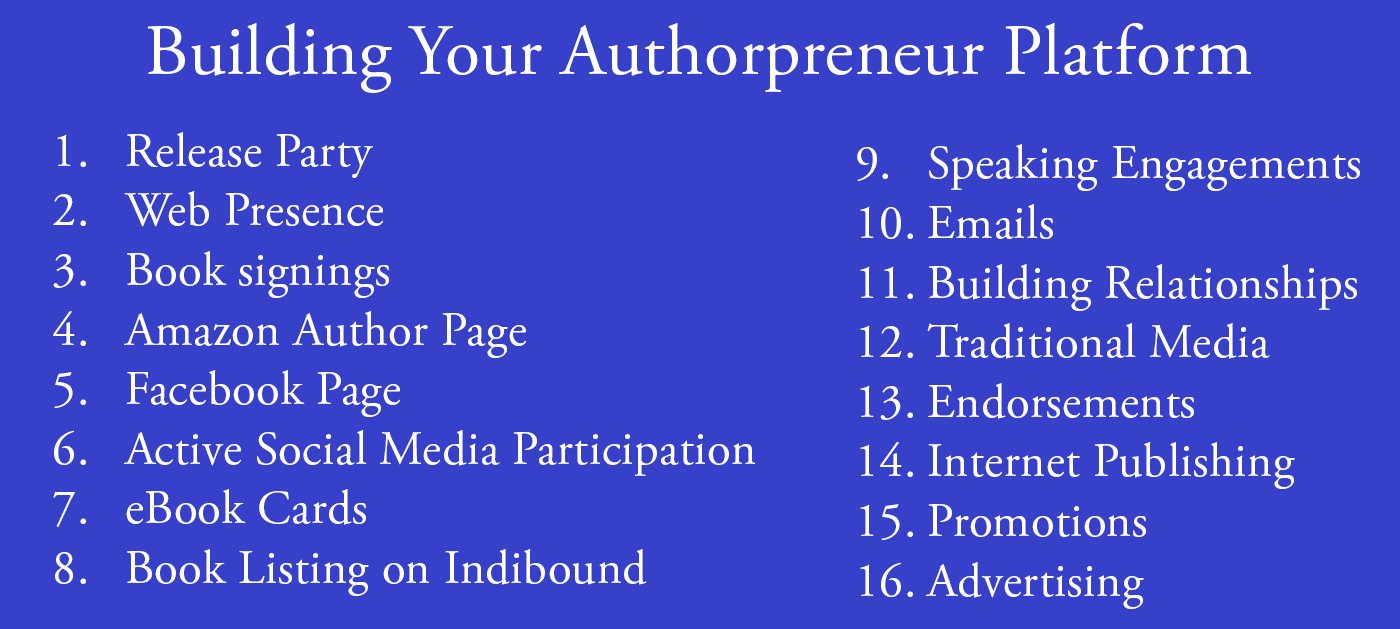
 Author Campaign Method (ACM) for Authorpreneurs
 This is Publication Consultants’ motivation for constantly striving to assist authors sell and market their books. Author Campaign Method (ACM) of sales and marketing is Publication Consultants’ plan to accomplish this so that our authors’ books have a reasonable opportunity for success. We know the difference between motion and direction. ACM is direction! ACM is the process for authorpreneurs who are serious about bringing their books to market. ACM is a boon for them.
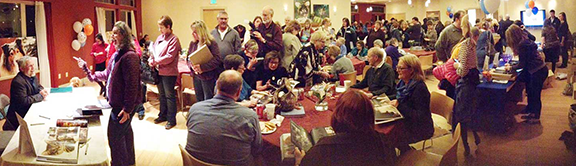 Release Party
 Web Presence
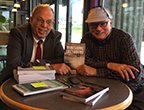 Book Signings
 Amazon Author Page
 Facebook Profile and Facebook Page
 Active Social Media Participation
 Ebook Cards
 The Great Alaska Book Fair: October 8, 2016


 Costco Book Signings
 eBook Cards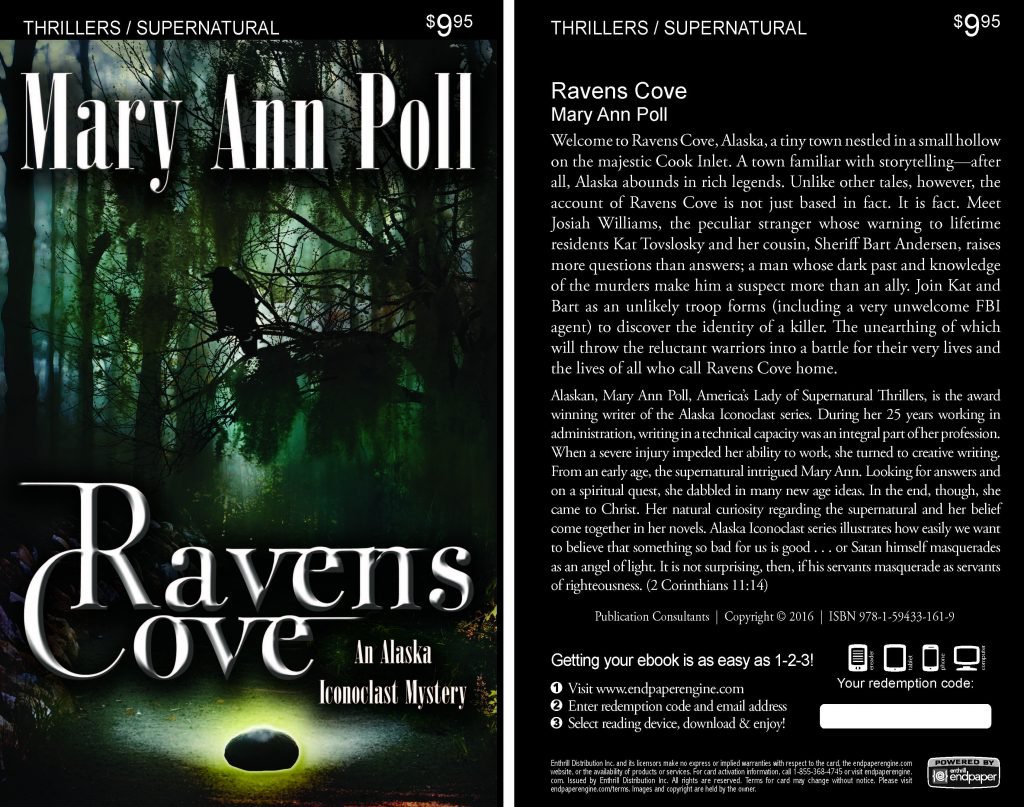

 Benjamin Franklin Award
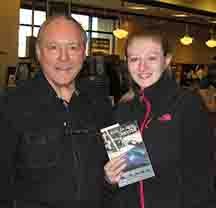 Jim Misko Book Signing at Barnes and Noble
 Cortex is for serious authors and will probably not be of interest to hobbyists. We recorded our Cortex training and information meeting. If you’re a serious author, and did not attend the meeting, and would like to review the training information, kindly let us know. Authors are required to have a Facebook author page to use Cortex.
 Correction:
 We take the quote by Marcella Smith, Small Press Business Manager, Barnes & Noble seriously: “The author is essential to the success of the book, giving energy behind the book to make it something that a customer will come in and ask for. That is what makes the difference in a book that sells, that develops legs, and has a life of its own. Otherwise the book goes on the shelf and stays there for three months. Then it gets returned.”
 This is Publication Consultants’ motivation for constantly striving to assist authors sell and market their books. ACM is Publication Consultants’ plan to accomplish this so that our authors’ books have a reasonable opportunity for success. We know the difference between motion and direction. ACM is direction! ACM is the process for authors who are serious about bringing their books to market. ACM is a boon for serious authors, but a burden for hobbyist. We don’t recommend ACM for hobbyists.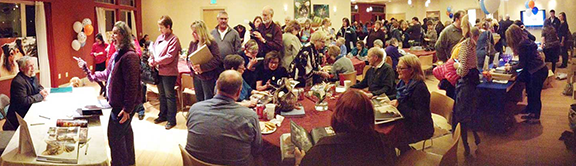

 We’re the only publisher we know of that provides authors with book signing opportunities. Book signing are appropriate for hobbyist and essential for serious authors. To schedule a book signing kindly go to our website, <
 An Author Page on Amazon Author Central is a serious author ACM requirement and desirable for the hobbyist. Author Central is a free resource designed to help authors become more active participants in the promotion of their books. In Author Central you can manage an Author Page, update information about your books, and view Customer Reviews and sales information for your bibliography. If you don’t already have an Author Page on
  We hear authors complain about all the personal stuff on Facebook. Most of these complaints are because the author doesn’t understand the difference difference between a Facebook profile and a Facebook page. Simply put, a profile is for personal things for friends and family; a page is for business. If your book is just a hobby, then it’s fine to have only a Facebook profile and make your posts for friends and family; however, if you’re serious about your writing, and it’s a business with you, or you want it to be business, then you need a Facebook page as an author. It’s simple to tell if it’s a page or a profile. A profile shows how many friends and a page shows how many likes. Here’s a link <> to a straight forward description on how to set up your author Facebook page.
 Active Social Media Participation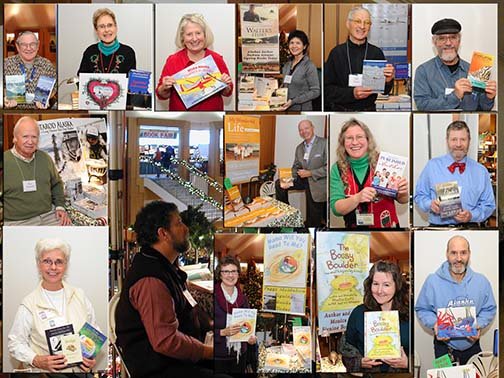


 Mosquito Books has a new location in the Anchorage international airport and is available for signings with 21 days notice. Jim Misko had a signing there yesterday. His signing report included these words, “Had the best day ever at the airport . . ..”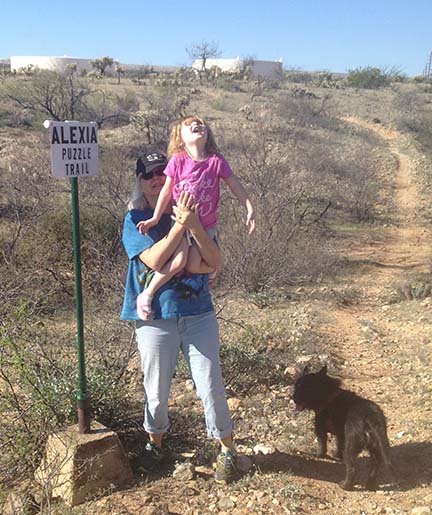


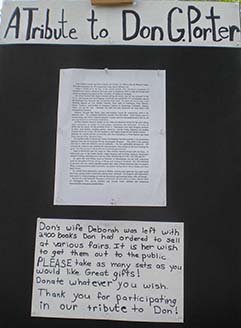
 The Lyin Kings: The Wannabe World Leaders
 Time and Tide


 ReadAlaska 2014
 Readerlink and Book Signings
 2014 Independent Publisher Book Awards Results
 Bonnye Matthews Radio Interview
 Rick Mystrom Radio Interview
 When he published those overseas blogs as the book The Innocents Abroad, it would become a hit. But you couldn’t find it in bookstores.
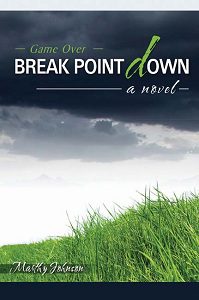 More NetGalley
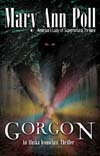 Mary Ann Poll


 Bumppo
 Computer Spell Checkers
 Seven Things I Learned From a Foreign Email
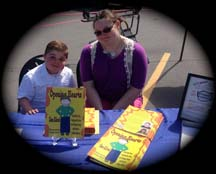 2014 Spirit of Youth Awards
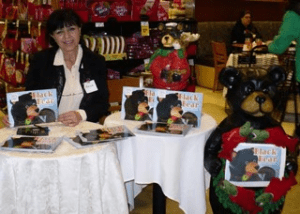
 Book Signings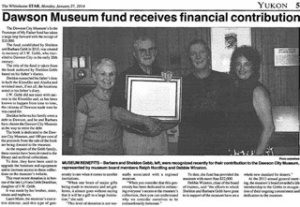
 Blog Talk Radio
 Publication Consultants Blog
 Book Signings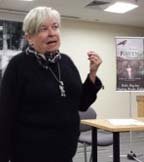

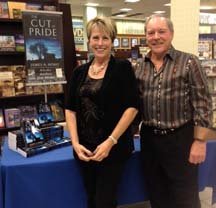

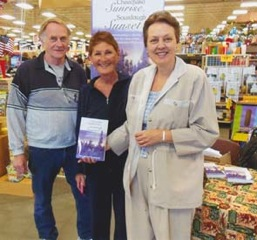 Don and Lanna Langdok
 Ron Walden
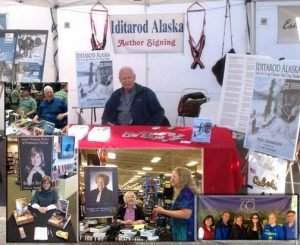 Book Signings Are Fun
 Release Party Video
 Erin’s book,
  Heather’s book,
  New Books