


Cedar Valley News — March 10, 2026
Before the Trucks Arrive
By: George Khan
From the fictional town of Cedar Valley, where characters from Quiet Echo continue to respond to real-world events.
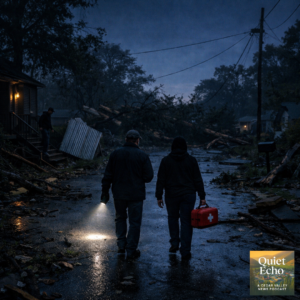 Last Friday a tornado hit Union City, Michigan, with winds near 160 miles per hour. Three people died on Prairie Rose Lane. A twelve-year-old boy named Silas Anderson was killed by a separate tornado in Edwardsburg the same afternoon. Homes flattened. Trees sheared off at the trunk. Twenty-one dwellings on one private road — nineteen destroyed or damaged beyond recognition. In Three Rivers, the storm peeled the roof off a Menards store and scattered debris across neighborhoods. Schools closed. Power out for thousands.
What happened next is the part I want to talk about.
Before the state emergency declaration was signed, before the Red Cross set up shelters, before the power company dispatched repair crews from three counties — neighbors were already in the street. A man named Frank dug through the rubble of his own house to reach his wife, who was trapped. She survived. A local business owner driving past the wreckage pulled over, took off his suit jacket, and applied pressure to a stranger’s leg wound until paramedics arrived. A tree service owner named Noah Borzsei told reporters his crew would work around the clock because they live in the same neighborhoods. “We’re neighbors helping our neighbors,” he said.
Nobody told them to do this. No agency dispatched them. No app sent a notification. They saw the damage and they walked toward it.
I fix cars for a living. I understand machinery. I understand systems. And I am telling you — the most important system in any community is not the emergency plan, the power grid, or the supply chain. It is the willingness of one person to walk out their front door and help the person next door before anyone in authority says to.
Norma Tuttle has lived on Tuttle Park Drive near Union City for almost seventy years. Her family built the cottages along the road. Generations of Tuttles lived within a few hundred yards of each other. The tornado destroyed most of it in minutes. Her grandson lost his home. Her great-granddaughter lost hers. When the storm hit, Norma ran across the street to her daughter Julie’s house and sheltered in the basement. When they came up, they checked on the neighbors. Then the neighbors checked on the next house down. The chain started before the sirens stopped.
This is how small towns work. Not because small-town people are better than anyone else. Because proximity creates obligation. When you can see your neighbor’s roof from your kitchen window, you cannot pretend you did not notice when it disappeared.
I think about this in Cedar Valley. We know each other. I service most of the trucks in this town. Lars sells the hardware. Aisha treats the injuries. Teresa prints the news. We are connected not by social media but by the fact we occupy the same few square miles and depend on the same roads, the same water, the same volunteer fire department George wrote about two weeks ago — the one with eleven members and one truck.
To be sure, big systems matter. The state of Michigan’s emergency declaration unlocked resources. The power company brought crews. The Red Cross provided shelter. Nobody is arguing against organized response. But organized response takes time. It follows procedure. It files paperwork. And in the gap between the tornado and the trucks — the first hour, the first thirty minutes, the first five minutes — the only system operating is the one built on knowing your neighbor’s name.
Greg Moore drove to Union City the morning after the storm. His family — the Tuttles — had lived on the land for six generations. Four cousins and an aunt hit. Two homes gone. He said: “In places like this, people come together. Family helps family, neighbors help neighbors, and you just keep going.”
And you just keep going. Five words. The whole operating manual for a small town after disaster.
We will not always have a tornado. But we will always have a Tuesday morning when somebody down the street needs help they did not ask for. The question is whether we notice. And whether we walk toward it before someone tells us to.
This editorial is part of the fictional Cedar Valley News series, written by Evan Swensen, Publisher, Publication Consultants, and Claude Marshall, AI Developmental Editor. While the people and town are fictional, the national events they reflect on are real.
Want to know the full story behind Cedar Valley? Teresa, Caleb, Dan, and the community you’ve come to know in these editorials first came together in Quiet Echo. Discover how a small town found its way from fear to fellowship — one quiet act of courage at a time. Available on Amazon: https://bit.ly/3ME4nSs
YouTube: https://bit.ly/4rm5JzK
Why do words matter? Because they change lives — when someone reads them. Discover why purpose is the foundation of every sentence worth writing in The Power of Authors by Evan and Lois Swensen. Available on Amazon.


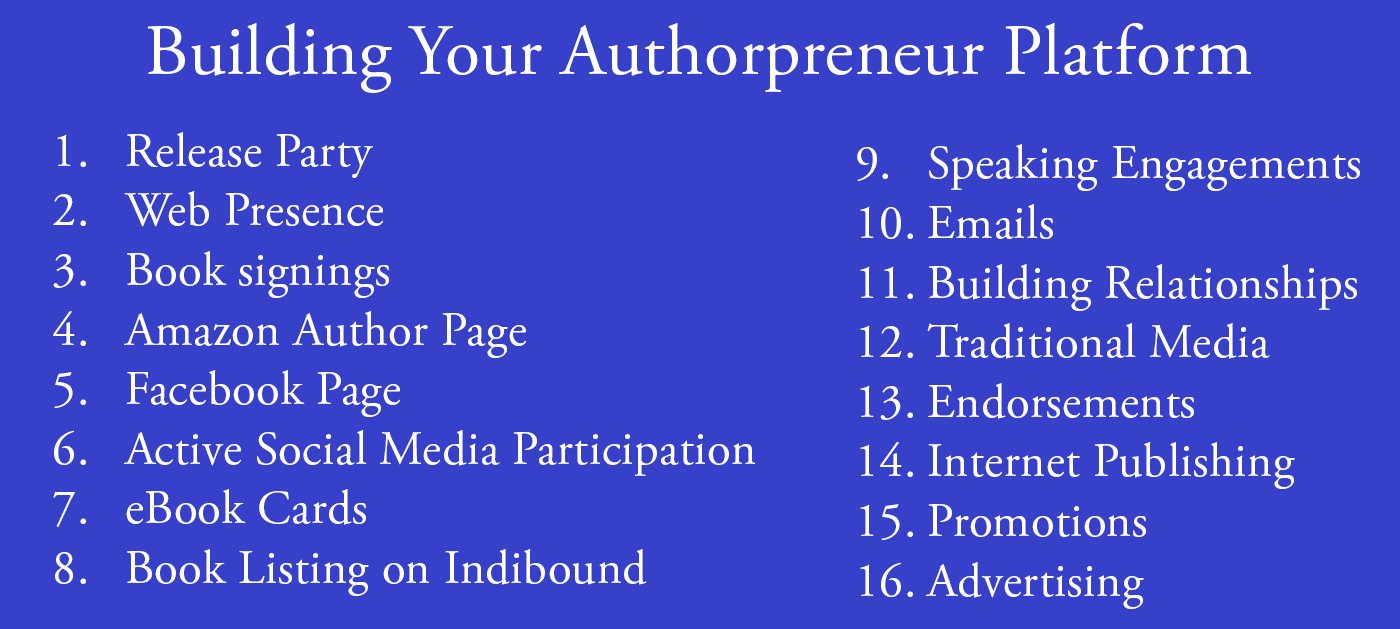

 Author Campaign Method (ACM) for Authorpreneurs
 This is Publication Consultants’ motivation for constantly striving to assist authors sell and market their books. Author Campaign Method (ACM) of sales and marketing is Publication Consultants’ plan to accomplish this so that our authors’ books have a reasonable opportunity for success. We know the difference between motion and direction. ACM is direction! ACM is the process for authorpreneurs who are serious about bringing their books to market. ACM is a boon for them.
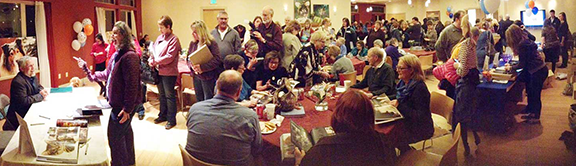 Release Party
 Web Presence
 Book Signings
 Amazon Author Page
 Facebook Profile and Facebook Page
 Active Social Media Participation
 Ebook Cards
 The Great Alaska Book Fair: October 8, 2016


 Costco Book Signings
 eBook Cards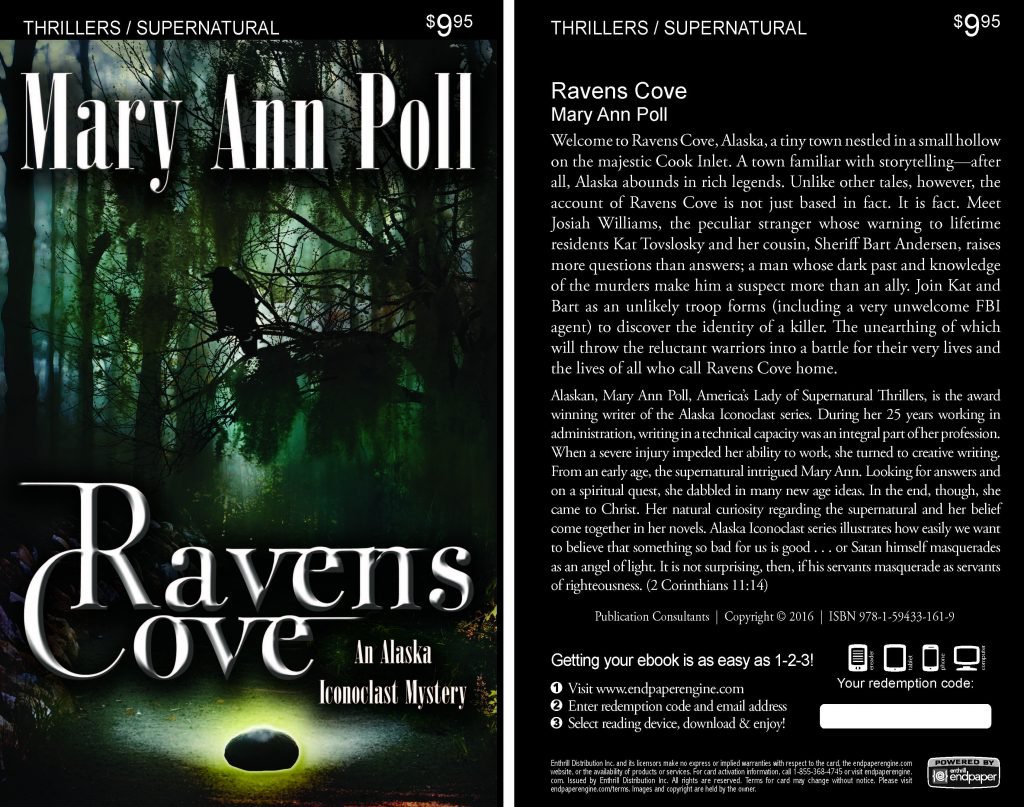

 Benjamin Franklin Award
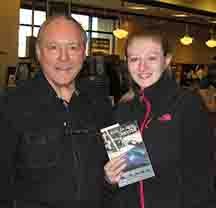 Jim Misko Book Signing at Barnes and Noble
 Cortex is for serious authors and will probably not be of interest to hobbyists. We recorded our Cortex training and information meeting. If you’re a serious author, and did not attend the meeting, and would like to review the training information, kindly let us know. Authors are required to have a Facebook author page to use Cortex.
 Correction:
 We take the quote by Marcella Smith, Small Press Business Manager, Barnes & Noble seriously: “The author is essential to the success of the book, giving energy behind the book to make it something that a customer will come in and ask for. That is what makes the difference in a book that sells, that develops legs, and has a life of its own. Otherwise the book goes on the shelf and stays there for three months. Then it gets returned.”
 This is Publication Consultants’ motivation for constantly striving to assist authors sell and market their books. ACM is Publication Consultants’ plan to accomplish this so that our authors’ books have a reasonable opportunity for success. We know the difference between motion and direction. ACM is direction! ACM is the process for authors who are serious about bringing their books to market. ACM is a boon for serious authors, but a burden for hobbyist. We don’t recommend ACM for hobbyists.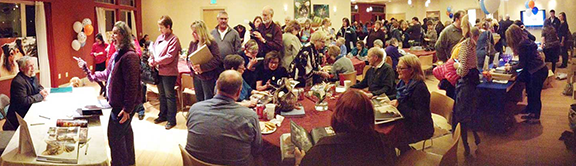

 We’re the only publisher we know of that provides authors with book signing opportunities. Book signing are appropriate for hobbyist and essential for serious authors. To schedule a book signing kindly go to our website, <
 An Author Page on Amazon Author Central is a serious author ACM requirement and desirable for the hobbyist. Author Central is a free resource designed to help authors become more active participants in the promotion of their books. In Author Central you can manage an Author Page, update information about your books, and view Customer Reviews and sales information for your bibliography. If you don’t already have an Author Page on
  We hear authors complain about all the personal stuff on Facebook. Most of these complaints are because the author doesn’t understand the difference difference between a Facebook profile and a Facebook page. Simply put, a profile is for personal things for friends and family; a page is for business. If your book is just a hobby, then it’s fine to have only a Facebook profile and make your posts for friends and family; however, if you’re serious about your writing, and it’s a business with you, or you want it to be business, then you need a Facebook page as an author. It’s simple to tell if it’s a page or a profile. A profile shows how many friends and a page shows how many likes. Here’s a link <> to a straight forward description on how to set up your author Facebook page.
 Active Social Media Participation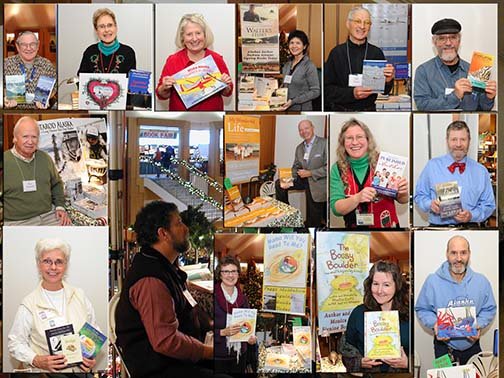


 Mosquito Books has a new location in the Anchorage international airport and is available for signings with 21 days notice. Jim Misko had a signing there yesterday. His signing report included these words, “Had the best day ever at the airport . . ..”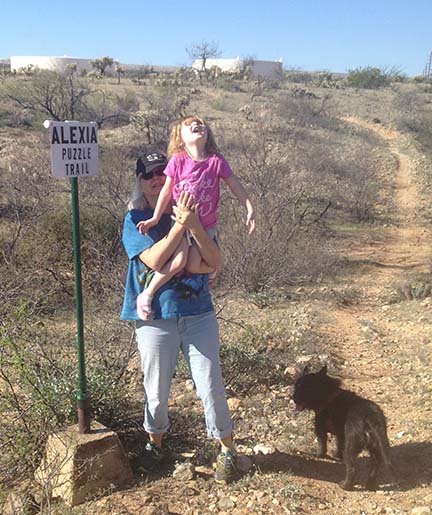


 The Lyin Kings: The Wannabe World Leaders
 Time and Tide


 ReadAlaska 2014
 Readerlink and Book Signings
 2014 Independent Publisher Book Awards Results
 Bonnye Matthews Radio Interview
 Rick Mystrom Radio Interview
 When he published those overseas blogs as the book The Innocents Abroad, it would become a hit. But you couldn’t find it in bookstores.
 More NetGalley
 Mary Ann Poll


 Bumppo
 Computer Spell Checkers
 Seven Things I Learned From a Foreign Email
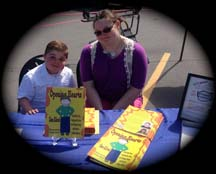 2014 Spirit of Youth Awards
 Book Signings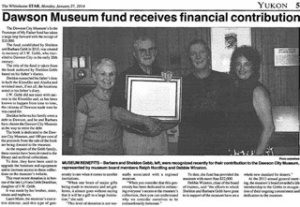

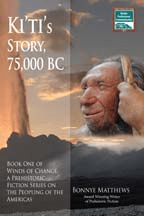
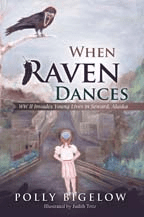 Blog Talk Radio
 Publication Consultants Blog
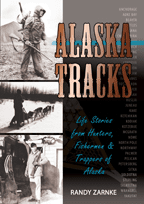 Book Signings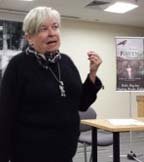

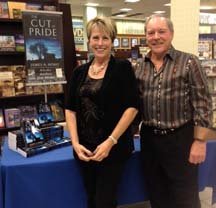

 Don and Lanna Langdok
 Ron Walden
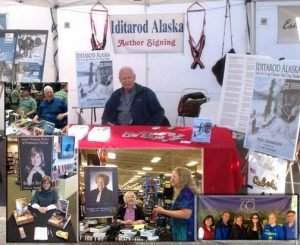 Book Signings Are Fun
 Release Party Video
 Erin’s book,
  Heather’s book,
  New Books