

 The first book teaches you how to write. The second book teaches you who you are as a writer.
The first book is a miracle. You started with nothing — an idea, a blank page, and the stubborn belief you had something worth saying. You fought through doubt, learned as you went, and finished. Finishing a first book is one of the hardest things a person can do. You should be pleased you did it.
Then comes the silence.
The launch fades. The congratulations slow down. The shelf holds a single book with your name on it, and the question arrives quietly, usually late at night: Do I have another one in me?
Why the Second Book Is Harder
The first book carried its own momentum. Everything was new — the process, the discovery, the thrill of seeing your words take shape. Novelty is a powerful engine. It forgives a lot of uncertainty because every step feels like an adventure.
The second book has no novelty. You know what the process costs. You know about the long middle where the writing feels pointless. You know about the revision, the doubt, the mornings when the sentences won’t come. The first time, you didn’t know what you were walking into. The second time, you do.
This is why many authors never write a second book. Not because they ran out of ideas. Because they remember how hard it was and aren’t sure they can survive it again. The blank page looked different the first time. It looked like possibility. The second time, it looks like a commitment they understand the full cost of.
I’ve published more than five hundred books. The authors who come back for a second title are different people than the ones who walked in with their first manuscript. They are quieter. Less certain in some ways, more certain in others. They’ve lost the innocence of the first book, but they’ve gained something more valuable — self-knowledge.
What the Second Book Teaches
The first book teaches you how to write. It teaches mechanics, discipline, the rhythm of sitting down and producing pages. It teaches you what revision feels like and how to push through resistance. These are essential skills, and you cannot learn them without finishing a manuscript.
The second book teaches you something deeper. It teaches you who you are as a writer.
With the first book, most authors are still discovering their voice. They borrow patterns from writers they admire. They experiment with tone, structure, point of view. The manuscript reflects the search as much as the finding. This is natural. Every writer’s first book is partly an imitation of the books they love.
The second book strips the imitation away. You’ve already proven you can finish. Now the question is not whether you can write, but what you write when the novelty is gone and the only thing left is your own voice, your own convictions, your own reason for being on the page.
This is where purpose becomes essential. The first book can survive on energy alone. The second book cannot. It requires the author to know why they write — not in the abstract, not as a slogan, but as a lived answer tested by experience. Writers who have this answer produce second books stronger than their first. Writers who don’t have it stall.
The Writer You Become
The second book also changes how readers see you. One book makes you an author. Two books make you a writer. The distinction matters. An author produced something once. A writer has committed to the work. Readers, booksellers, and fellow authors all respond differently to someone with two titles. The second book signals you are not passing through. You are staying.
I have watched this transformation happen hundreds of times. The author who arrived nervous with a first manuscript returns with a second and sits differently in the chair. They speak about their work with earned authority. They know their subject, their audience, their voice. They are no longer asking permission to call themselves a writer. They simply are one.
If you finished your first book and the question is circling — do I have another one in me — the answer is almost certainly yes. The skills you built writing the first book are still with you. The discipline is still with you. What you need now is not ability. It is purpose. The clear, honest answer to why you write. Not why you wrote once. Why you write.
Find the answer. The second book will follow.
The Power of Authors by Evan and Lois Swensen explores what it means to write with purpose — and why the second book is where a writer discovers who they truly are.
The Power of Authors is available from Amazon or your favorite bookseller: http://evanswensen.com. If you’d like an autographed copy, you can order it here: http://bit.ly/4pgmzjM.


 The novelist Ella Camposanto has arrived in Sicily with her twelve-year-old daughter, Manuela. They are staying near the ruins where the narrator’s grandmother once worked on an archaeological dig. The summer is full of volcanic rumbles and sudden storms. The narrator’s mother is beginning to forget.
 When I was publishing Alaska Outdoors magazine, the head of the journalism department at the University of Alaska sent me a submission. It was so poorly written, I took it for a joke. I answered it as a joke, only to learn the author was serious. He simply had such an inflated self-image; his writing read like a spoof. It was no spoof.
 At 8:15 on the morning of August 6, 1945, Kiyoshi Tanimoto was on the outskirts of Hiroshima, unloading a handcart at a house in the suburb of Koi. He was two miles from the city center. He had slept poorly — the overnight air-raid warnings had kept him up — and he had risen early and set out with the cart.
 Two books publish on the same Tuesday.
 Among the nineteen longlisted novelists this year are writers who have been writing for a long time before this first novel existed.
 You check your Amazon page for the first time after your launch team has done its work. The reviews are there. Three in the first week. Your heart lifts. Then you notice the label beneath one of them.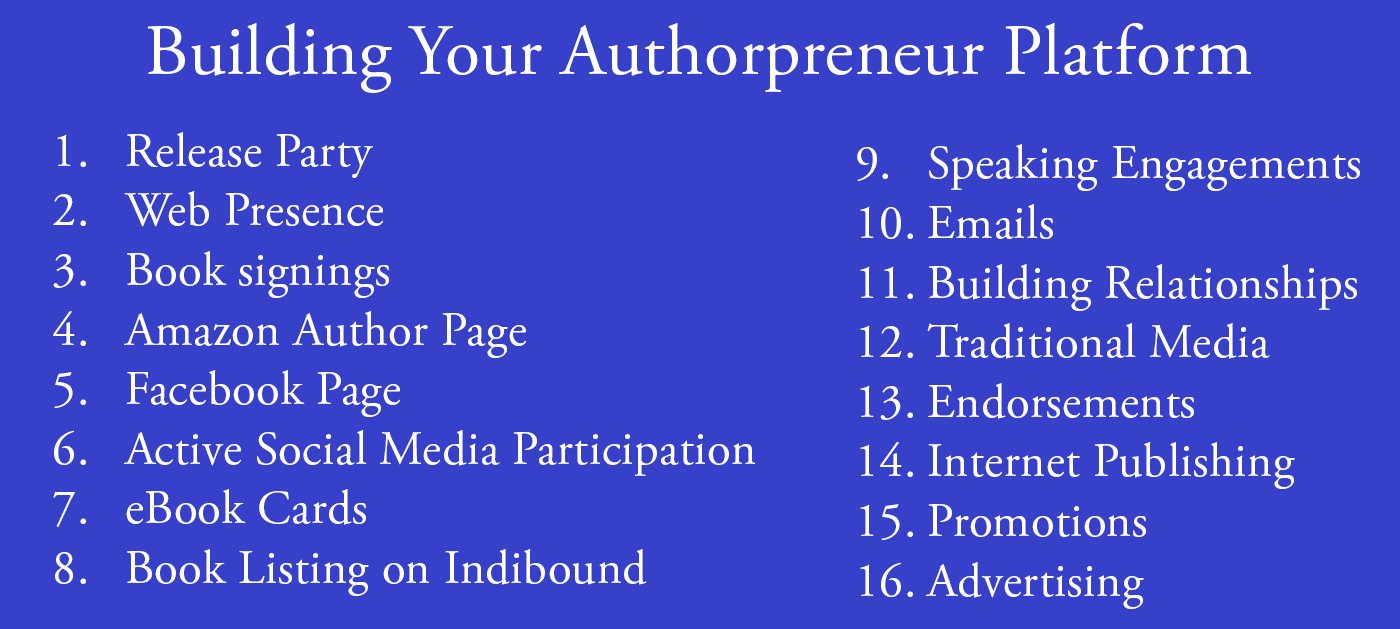
 Author Campaign Method (ACM) for Authorpreneurs
 This is Publication Consultants’ motivation for constantly striving to assist authors sell and market their books. Author Campaign Method (ACM) of sales and marketing is Publication Consultants’ plan to accomplish this so that our authors’ books have a reasonable opportunity for success. We know the difference between motion and direction. ACM is direction! ACM is the process for authorpreneurs who are serious about bringing their books to market. ACM is a boon for them.
 Release Party
 Web Presence
 Book Signings
 Amazon Author Page
 Facebook Profile and Facebook Page
 Active Social Media Participation
 Ebook Cards
 The Great Alaska Book Fair: October 8, 2016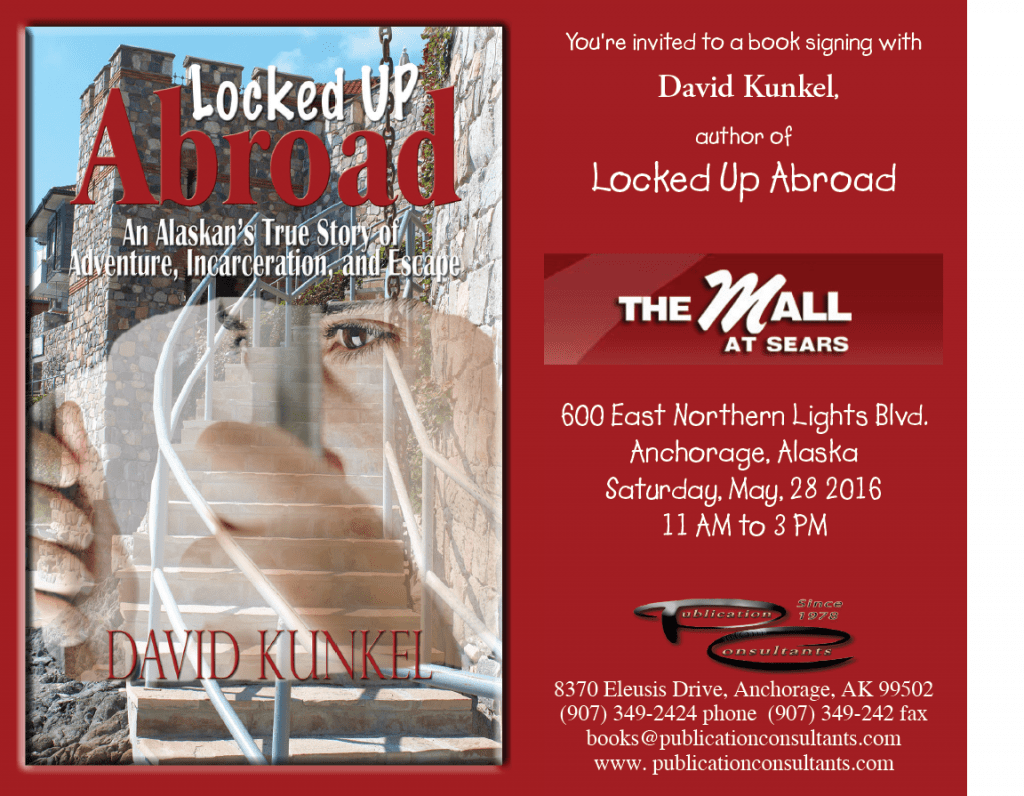


 Costco Book Signings
 eBook Cards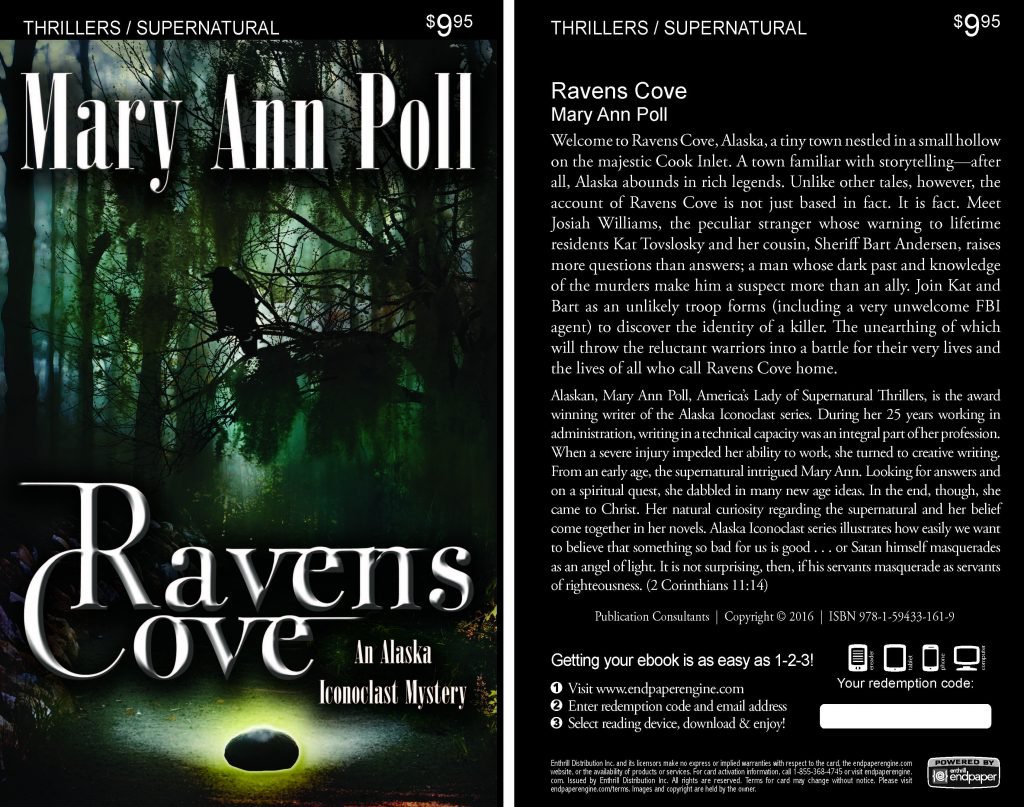

 Benjamin Franklin Award
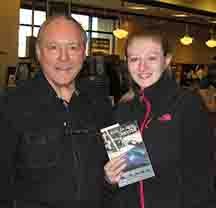 Jim Misko Book Signing at Barnes and Noble
 Cortex is for serious authors and will probably not be of interest to hobbyists. We recorded our Cortex training and information meeting. If you’re a serious author, and did not attend the meeting, and would like to review the training information, kindly let us know. Authors are required to have a Facebook author page to use Cortex.
 Correction:
 We take the quote by Marcella Smith, Small Press Business Manager, Barnes & Noble seriously: “The author is essential to the success of the book, giving energy behind the book to make it something that a customer will come in and ask for. That is what makes the difference in a book that sells, that develops legs, and has a life of its own. Otherwise the book goes on the shelf and stays there for three months. Then it gets returned.”
 This is Publication Consultants’ motivation for constantly striving to assist authors sell and market their books. ACM is Publication Consultants’ plan to accomplish this so that our authors’ books have a reasonable opportunity for success. We know the difference between motion and direction. ACM is direction! ACM is the process for authors who are serious about bringing their books to market. ACM is a boon for serious authors, but a burden for hobbyist. We don’t recommend ACM for hobbyists.

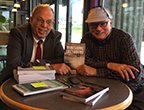
 We’re the only publisher we know of that provides authors with book signing opportunities. Book signing are appropriate for hobbyist and essential for serious authors. To schedule a book signing kindly go to our website, <
 An Author Page on Amazon Author Central is a serious author ACM requirement and desirable for the hobbyist. Author Central is a free resource designed to help authors become more active participants in the promotion of their books. In Author Central you can manage an Author Page, update information about your books, and view Customer Reviews and sales information for your bibliography. If you don’t already have an Author Page on
  We hear authors complain about all the personal stuff on Facebook. Most of these complaints are because the author doesn’t understand the difference difference between a Facebook profile and a Facebook page. Simply put, a profile is for personal things for friends and family; a page is for business. If your book is just a hobby, then it’s fine to have only a Facebook profile and make your posts for friends and family; however, if you’re serious about your writing, and it’s a business with you, or you want it to be business, then you need a Facebook page as an author. It’s simple to tell if it’s a page or a profile. A profile shows how many friends and a page shows how many likes. Here’s a link <> to a straight forward description on how to set up your author Facebook page.
 Active Social Media Participation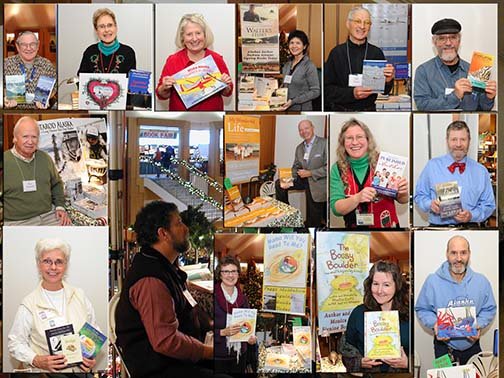


 Mosquito Books has a new location in the Anchorage international airport and is available for signings with 21 days notice. Jim Misko had a signing there yesterday. His signing report included these words, “Had the best day ever at the airport . . ..”


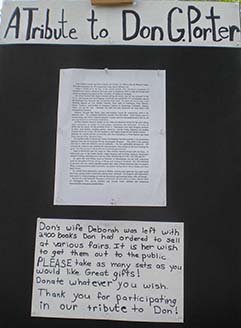
 The Lyin Kings: The Wannabe World Leaders
 Time and Tide


 ReadAlaska 2014
 Readerlink and Book Signings
 2014 Independent Publisher Book Awards Results
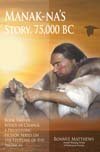
 Bonnye Matthews Radio Interview
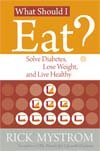 Rick Mystrom Radio Interview
 When he published those overseas blogs as the book The Innocents Abroad, it would become a hit. But you couldn’t find it in bookstores.
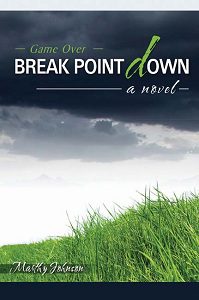 More NetGalley
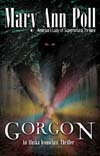 Mary Ann Poll


 Bumppo
 Computer Spell Checkers
 Seven Things I Learned From a Foreign Email
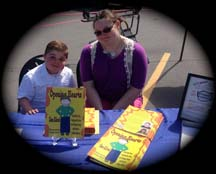 2014 Spirit of Youth Awards
 Book Signings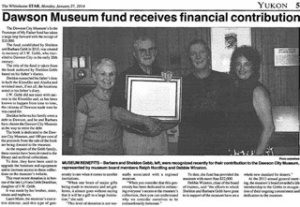

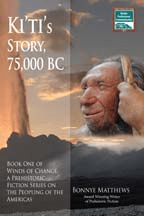
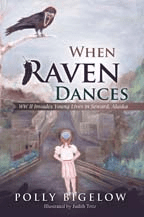 Blog Talk Radio
 Publication Consultants Blog
 Book Signings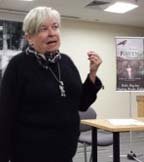

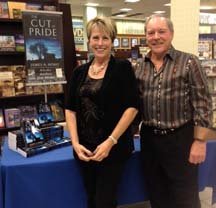

 Don and Lanna Langdok
 Ron Walden
 Book Signings Are Fun
 Release Party Video
 Erin’s book,
  Heather’s book,
  New Books